Introduction to Homemade Pizza Dough
Creating your own homemade pizza dough is not just an impressive culinary skill; it’s a gateway to endless pizza possibilities. Whether you’re a weekend warrior in the kitchen or someone who simply enjoys the art of cooking, making your own dough allows you to tailor every pizza to your taste. But why should you consider ditching the takeout and whipping up your own dough?
Why make homemade pizza dough?
Firstly, there’s something truly satisfying about starting from scratch. Have you ever daydreamed about the savory scent of fresh bread filling your kitchen? Making your own homemade pizza dough is an excellent way to capture that experience. You’ll know exactly what ingredients are going in—no preservatives, no artificial flavors, just wholesome goodness.
Moreover, developing your dough can elevate a simple pizza night into something spectacular. You can experiment with various flours, like whole wheat or almond flour, to create a delicious crust that caters to dietary preferences. Some studies suggest that fresh ingredients not only taste better but also enhance the nutritional value of your meal (check out this Harvard Health article).
From the classic Margherita to adventurous toppings like Turkey Bacon and Chicken Ham, making your own dough allows you to customize your pizza to fit your cravings. Not to mention, it’s often more cost-effective than buying pre-made dough or ordering from a pizzeria. Plus, you can prepare the dough in larger batches and freeze it for those nights when the pizza craving strikes but you lack the energy to start from scratch.
Imagine pulling a beautifully risen dough from your freezer and transforming it into a masterpiece topped with your favorite ingredients. Speaking of toppings, consider trying out some gourmet options to elevate your pizza game. Fresh basil, goat cheese, and even unique sauces can make your homemade pizza a show-stopper at any gathering.
In summary, making your own homemade pizza dough is a fun and fulfilling project that offers countless benefits, from flavor and nutrition to cost savings and creativity. Why not give it a try? Your taste buds will thank you.

Ingredients for Homemade Pizza Dough
Creating your own homemade pizza dough is not just simple; it’s also incredibly rewarding! When you enjoy that warm, fresh-baked crust, you’ll understand why so many pizza enthusiasts swear by making dough at home. Here’s a friendly guide to the ingredients you’ll need:
- Flour: All-purpose flour works wonders, but if you’re feeling adventurous, try using bread flour for a chewier texture.
- Water: Warm water helps activate the yeast, contributing to the dough’s rise. Aim for about 110°F.
- Yeast: Active dry yeast will give your dough that perfect airy lift. Make sure it’s fresh for optimal results.
- Salt: A crucial flavor enhancer. Don’t skip it, as it balances the dough’s sweetness.
- Olive oil: This adds richness and keeps your dough tender. Extra virgin olive oil is a great choice for flavor.
- Sugar: Only a little; it acts as food for the yeast and contributes to browning.
For more details on the science of baking, check out sources like Serious Eats or the King Arthur Baking Company. Armed with these ingredients, you’re on your way to creating a delicious pizza masterpiece!
Step-by-Step Preparation of Homemade Pizza Dough
Making homemade pizza dough is not only a wonderful skill to have, but it’s also surprisingly simple and incredibly satisfying. With just a few ingredients and some time, you’ll have a delicious, custom pizza crust that elevates your pizza nights to a whole new level. Let’s walk through the process step by step.
Activate the yeast
The first step is to wake up the yeast. Use active dry yeast or instant yeast; both will work just fine. Here’s how to do it:
-
Warm Water: Pour about 1 cup of warm water into a mixing bowl or measuring cup. Aim for a temperature of 100°F to 110°F. If it’s too hot, it can kill the yeast; if it’s too cold, it won’t activate properly.
-
Sugar: Add a teaspoon of sugar to the warm water. This acts as food for the yeast and helps it bubble up.
-
Yeast: Sprinkle 2 ¼ teaspoons of yeast into the water. Allow it to sit for about 5–10 minutes. You’re looking for a frothy, bubbly surface, which indicates your yeast is ready to go. This is a great time to read up on yeast types here.
Mix the dry ingredients
While your yeast is activating, gather your dry ingredients:
- 2 ½ cups of all-purpose flour (plus extra for dusting)
- 1 teaspoon of salt
- 1 tablespoon of olive oil
In a large bowl, whisk together the flour and salt. Combining these first ensures that the salt doesn’t directly contact the yeast when you mix everything together, which can hinder its effectiveness.
Combine and knead the dough
Once your yeast has bubbled up, it’s time to combine everything:
-
Pour the activated yeast mix into the dry ingredients, followed by the olive oil.
-
Stir until a rough dough forms. You can use a wooden spoon or your hands for this.
-
Transfer the dough to a floured surface and knead for about 8–10 minutes. Kneading develops gluten, giving your dough that pizza elasticity we all love. It should feel smooth and slightly tacky when done.
Let the dough rise
After kneading, it’s time to let the dough work its magic:
-
Form it into a ball and place it in a lightly greased bowl.
-
Cover it with a damp cloth or plastic wrap.
-
Let it rise in a warm place for about 1–2 hours, or until it has doubled in size. The rise time can vary based on the room temperature—just keep an eye on it.
The science behind this is fascinating! For a deeper dive into the fermentation process, check out this piece on how yeast works.
Preheat and shape your dough
With your dough nicely risen, it’s almost time to bake that pizza:
-
Preheat your oven to 475°F. If you have a pizza stone, place it in the oven while it’s preheating to achieve that perfect crust.
-
Once preheated, punch down the dough to release excess air, then transfer it back to your floured surface.
-
Divide it if you’re making multiple pizzas, and shape each piece into your desired crust thickness. For a classic round, use your hands to stretch it out or a rolling pin if you prefer.
Pre-bake the crust
Finally, it’s time to pre-bake your crust:
-
Carefully transfer the shaped dough onto a baking sheet or a preheated pizza stone.
-
Pre-bake for about 5-7 minutes until it’s just firm and lightly golden.
-
Remove it from the oven, and now it’s all set for your favorite toppings, from Turkey Bacon to grilled vegetables!
Creating homemade pizza dough is a fun way to connect with your culinary skills. So, gather your ingredients, enjoy the process, and savor the satisfaction of making something delicious from scratch!
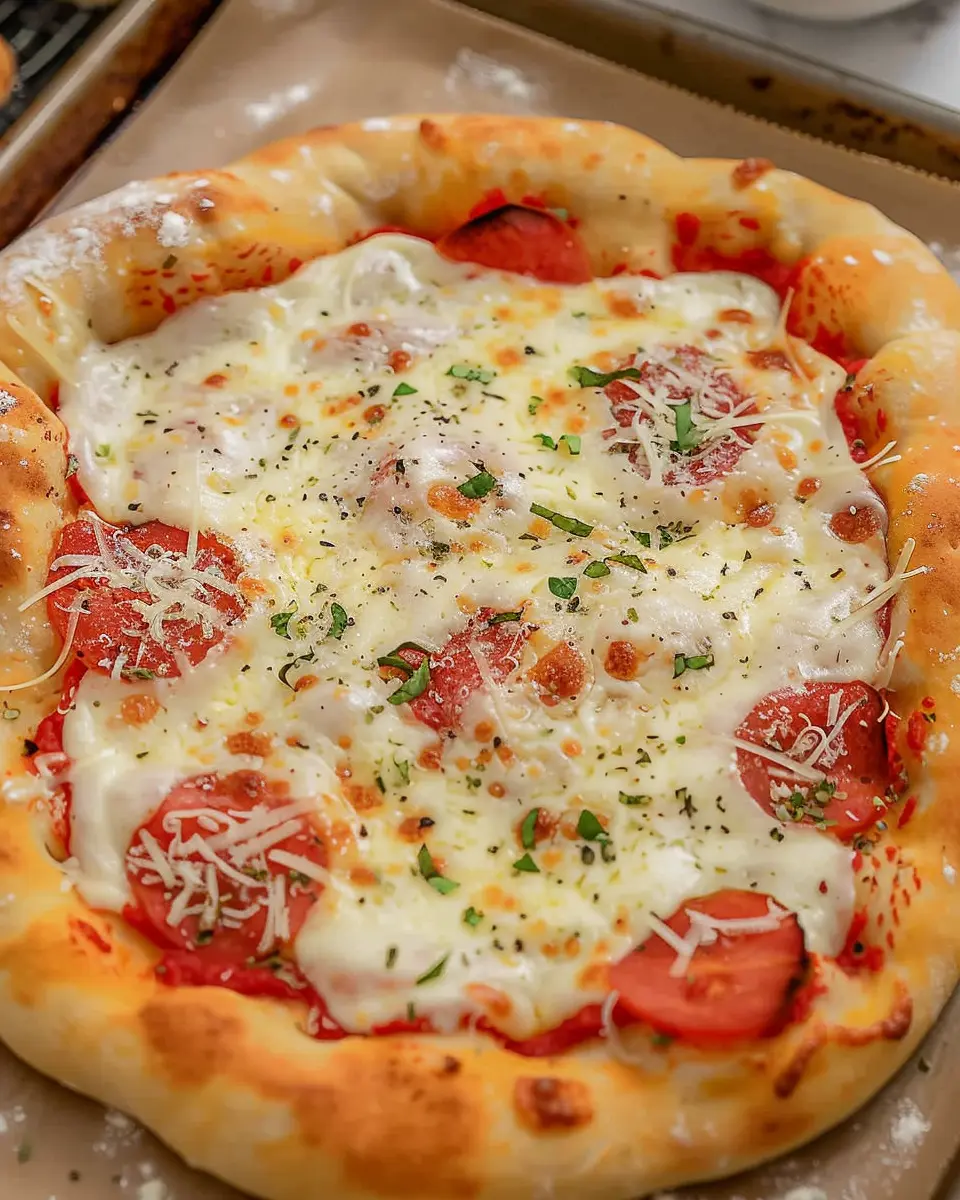
Variations on Homemade Pizza Dough
When it comes to homemade pizza dough, the possibilities are endless! Whether you’re health-conscious or have specific dietary needs, there are fantastic alternatives to traditional pizza dough that can accommodate everyone at your table.
Whole Wheat Pizza Dough
If you’re looking for a heartier option, whole wheat pizza dough is a fantastic choice. This whole grain variety not only adds a nutty flavor but also packs in extra nutrients and fiber, making your pizza experience a bit healthier.
Ingredients:
- 2 cups whole wheat flour
- 1 cup all-purpose flour
- 2 teaspoons instant yeast
- 1 teaspoon salt
- 1 tablespoon olive oil
- 1 cup warm water
Simply mix the dry ingredients, gradually add in the warm water and oil, knead it for about 10 minutes, and let it rise. The result? A deliciously chewy crust that’s not only satisfying but also good for you. Think of it as the health-conscious choice without sacrificing flavor!
For more detailed tips on integrating whole grains into your diet, you can check out the Whole Grains Council website.
Gluten-Free Pizza Dough
For those who are gluten-sensitive, crafting a perfect gluten-free homemade pizza dough can be a game-changer. Missing out on pizza is no fun, and with a few simple swaps, you can enjoy a delectable crust that’s also gluten-free.
Ingredients:
- 2 cups gluten-free all-purpose flour
- 2 teaspoons instant yeast
- 1 teaspoon xanthan gum (if not included in your flour blend)
- 1 teaspoon salt
- 1 tablespoon olive oil
- 1 cup warm water
Combine the dry ingredients, then stir in the wet ingredients until you achieve a dough-like consistency. Allow it to rest for about 30 minutes before rolling out. You’ll end up with a light, crispy crust that everyone will love, regardless of dietary restrictions!
Curious about gluten-free eating? Consider visiting Gluten Free Living for a wealth of resources.
By exploring these variations on homemade pizza dough, you can find the perfect crust for your next pizza night—whatever your dietary needs may be!
Cooking Tips and Notes for Homemade Pizza Dough
Making your own homemade pizza dough can be a rewarding experience, and a few tips can elevate your pizza game. First, ensure your ingredients are fresh. Using high-quality flour can make a significant difference in texture and flavor.
Kneading for the Perfect Texture
Kneading the dough properly activates the gluten, giving your crust that desirable chewiness. Aim for about 10 minutes of kneading until it’s smooth and elastic. If time allows, let your dough rise slowly in the fridge overnight—this enhances flavor!
Hydration is Key
Don’t hesitate to adjust the water to make your dough slightly tacky; this can improve texture. Always remember to use warm water to help activate the yeast effectively.
Flour Types
Experimenting with different flours, such as 00 flour for a Neapolitan-style crust, can bring exciting flavors and textures to your pizza.
For expert insights on dough making, consider checking out Serious Eats for in-depth tutorials and advice. Happy cooking!
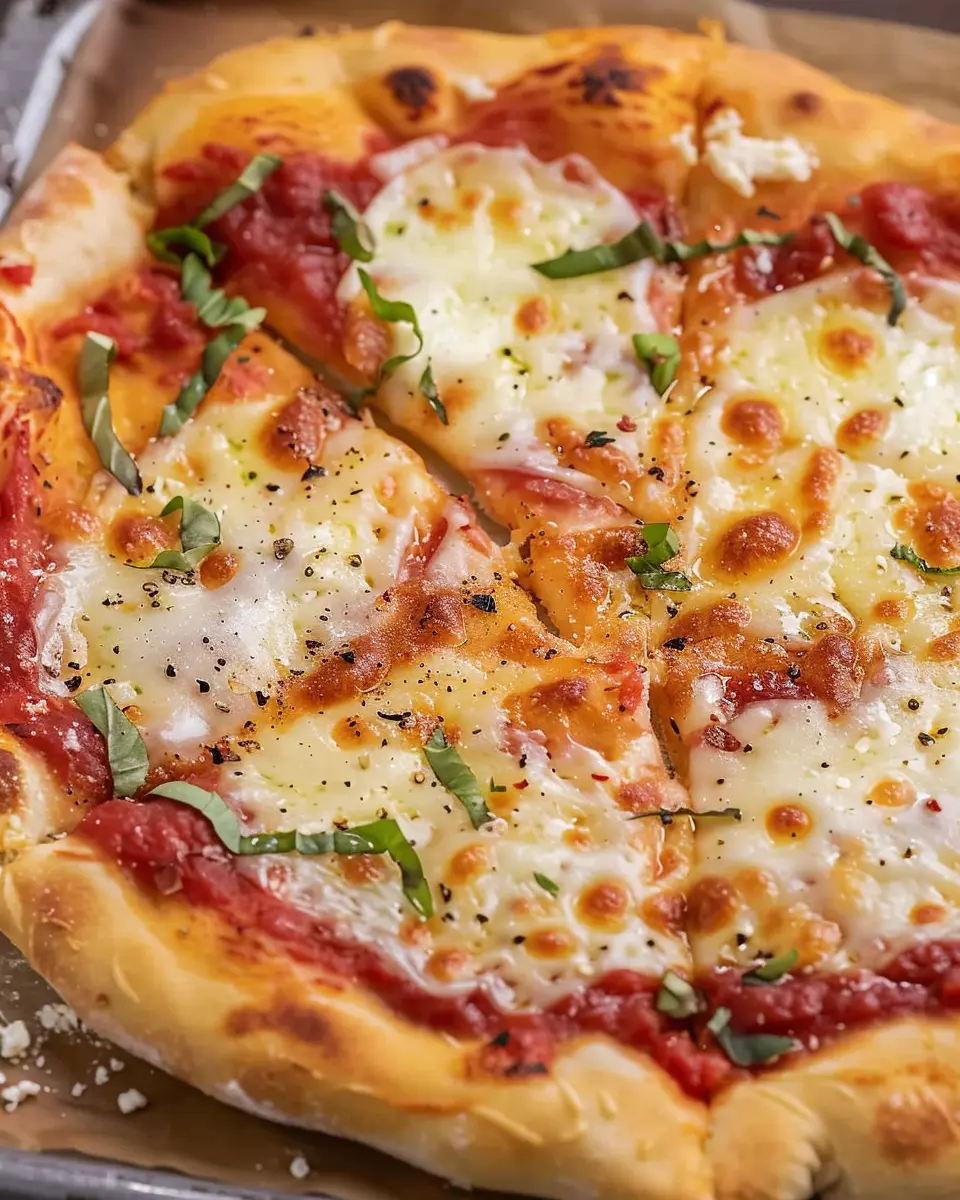
Serving Suggestions for Homemade Pizza Dough
Creating homemade pizza dough is just the beginning of your culinary adventure! Once your dough is ready, the options to customize it are endless. Here are some delightful serving suggestions that are sure to impress your friends and family.
Classic Toppings with a Twist
Imagine the delight on your guests’ faces as you serve pizzas topped with:
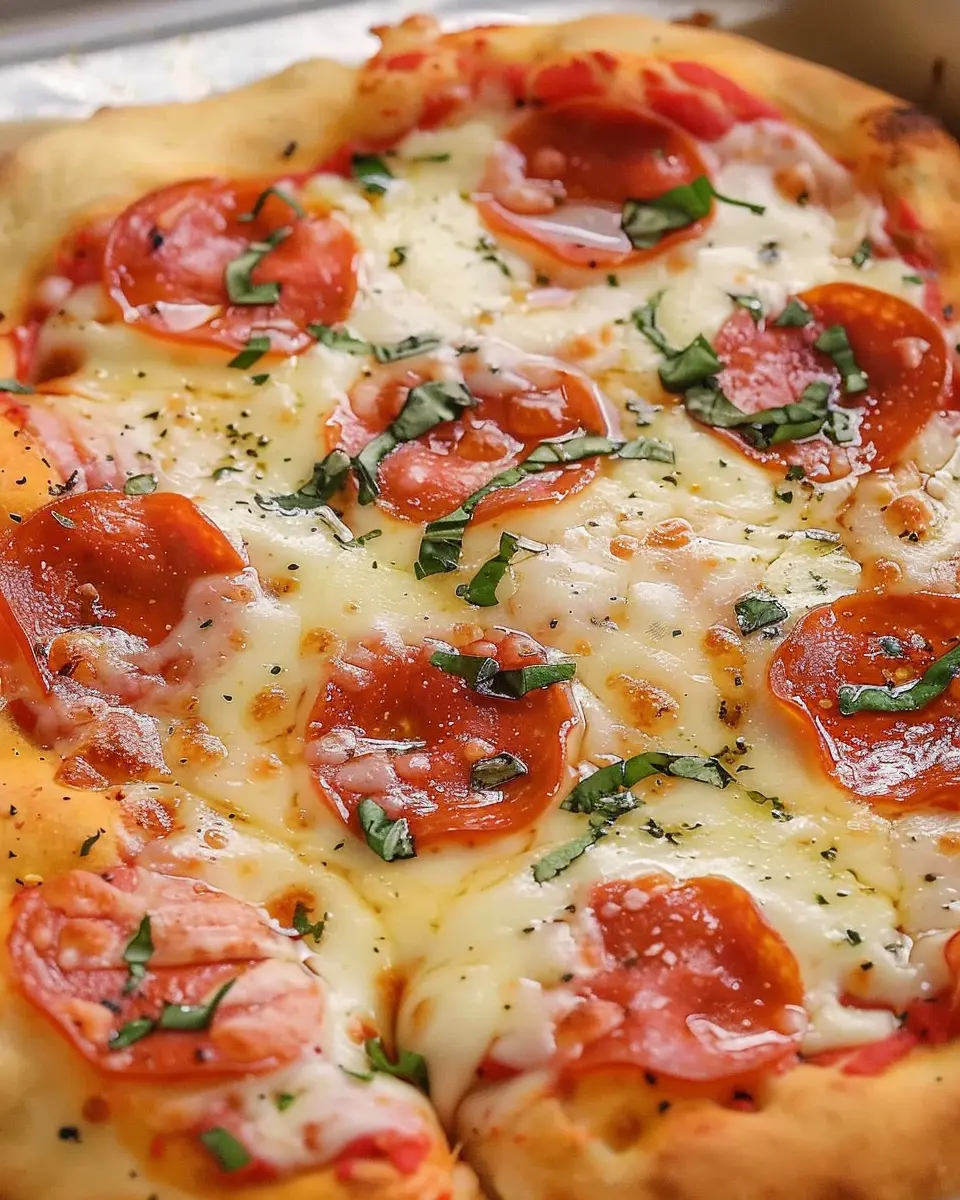
- Fresh Mozzarella and Basil: A classic Margherita pizza that brings the taste of Italy right to your kitchen.
- Turkey Bacon and Spinach: For a savory, healthier take, the smoky flavor of turkey bacon pairs beautifully with fresh spinach.
Gourmet Combinations
Don’t be afraid to get creative! Here are a few gourmet ideas:
- Chicken Ham and Pineapple: A sweet and savory combination that will satisfy those pizza cravings.
- Fig and Goat Cheese: For a unique flavor profile, add figs and creamy goat cheese — it’s a delightful surprise!
Perfect Pairings
What about a drink to accompany your pizza night? Consider serving a refreshing sparkling water infused with lemon or cucumber. It’s a light and classy companion to your delicious creations.
Feel free to explore other topping combinations along with your favorite sauces like pesto or marinara. Your homemade pizza dough can be the blank canvas for your culinary masterpiece! For more inspiration, check out Serious Eats for experimenting with unique toppings and flavor pairings.
Time Breakdown for Homemade Pizza Dough
Preparation time
Getting the homemade pizza dough started is quick and simple—just about 10 minutes. Mix your ingredients, knead the dough, and you’ll be well on your way to pizza perfection.
Rising time
Patience is key here! Your dough will need around 1 to 2 hours to rise, depending on the temperature of your kitchen. Warmer environments can speed up the process. Don’t rush this step; it’s crucial for that perfect texture.
Baking time
Once your dough rises, baking it shouldn’t take more than 12-15 minutes at a high temperature (think 475°F or so). This ensures that you get that delicious, crispy crust.
For more pizza tips, check out this article on How to Achieve a Perfect Pizza Crust. Are you tempted to jazz it up with toppings like turkey bacon or chicken ham?
Nutritional Facts for Homemade Pizza Dough
When it comes to homemade pizza dough, understanding the nutritional facts can help you make informed choices for your meals. Here’s a quick breakdown:
Calories
A standard serving of homemade pizza dough typically contains around 150-200 calories. This can vary based on your ingredients and portion sizes, so be mindful if you’re looking to create a lighter option.
Protein
You can expect about 4-6 grams of protein per serving, making it a solid base for adding your favorite toppings. Pair it with protein-packed ingredients like turkey bacon or chicken ham to boost the overall protein content of your pizza.
Sodium
Depending on the recipe, sodium levels can range from 300 to 500 mg per serving. If you’re watching your sodium intake, consider using low-sodium alternatives or reducing added salt.
Want to dive deeper into pizza recipes? Check out Nutrition.gov for tips on maintaining a balanced diet while enjoying your homemade meals!
FAQs about Homemade Pizza Dough
Can I use a stand mixer for the dough?
Absolutely! Using a stand mixer is a great way to make homemade pizza dough without too much effort. Just attach the dough hook, combine your ingredients, and let the mixer do the work. This method helps ensure a nice, smooth dough and saves you from tedious hand-kneading. Don’t forget to check the dough’s consistency—it should be slightly tacky but not overly sticky.
How can I store leftover pizza dough?
If you find yourself with extra homemade pizza dough, don’t worry! You can store it for later use. Here’s how:
- Refrigerate: Wrap the dough tightly in plastic wrap and place it in an airtight container. It can stay fresh in the fridge for about 3-5 days.
- Freeze: For longer storage, portion the dough into smaller balls, wrap them individually in plastic wrap, then seal them in a freezer-safe bag. It can last up to 3 months in the freezer. When you’re ready to use it, simply thaw it overnight in the refrigerator.
What are the best toppings for my homemade pizza?
Topping choices for your homemade pizza dough are practically limitless! Here are some crowd-pleasers to consider:
- Meats: Grilled chicken, turkey bacon, or even beef sausage add great flavor and protein.
- Vegetables: Think bell peppers, onions, mushrooms, or spinach for a fresh touch.
- Cheeses: Classic mozzarella is a must, but feel free to experiment with feta or goat cheese for something different.
Experiment with different combinations, and don’t be afraid to get creative! For more topping ideas, check out this guide on Pizza Toppings. Happy cooking!
Conclusion on Homemade Pizza Dough
Crafting homemade pizza dough really elevates your pizza game. It’s not just about the taste; it also offers a satisfying experience that brings people together. Imagine transforming simple ingredients into a golden crust that perfectly complements your favorite toppings, whether you go for classic tomato sauce or innovative options like pesto. Plus, making it at home is way more economical than ordering out!
Experiment with various flours, hydration levels, and fermentation times to find your perfect dough. For more tips on creating the ultimate pizza experience, check out Serious Eats or the Kitchn. Happy baking!
PrintHomemade Pizza Dough: The Best Base for Gourmet Toppings

Homemade pizza dough is the foundation of a great pizza, allowing for endless customization with various gourmet toppings.
- Prep Time: 15 minutes
- Cook Time: 25 minutes
- Total Time: 1 hour 40 minutes
- Yield: 1 pizza crust
- Category: Dough
- Method: Baking
- Cuisine: Italian
- Diet: Vegetarian
Ingredients
- 2 cups all-purpose flour
- 1 teaspoon salt
- 1 tablespoon olive oil
- 1 packet instant yeast
- 3/4 cup warm water
Instructions
- In a large bowl, combine the flour, salt, and instant yeast.
- Gradually add warm water and olive oil, mixing until a dough forms.
- Knead the dough on a floured surface for about 5-7 minutes.
- Place the dough in a greased bowl, cover, and let rise for 1 hour.
- Punch down the dough and roll it out to your desired thickness.
Notes
- For best results, let the dough rest in the refrigerator for 24 hours before using.
Nutrition
- Serving Size: 1 slice
- Calories: 150
- Sugar: 0g
- Sodium: 300mg
- Fat: 3g
- Saturated Fat: 0.5g
- Unsaturated Fat: 2g
- Trans Fat: 0g
- Carbohydrates: 28g
- Fiber: 1g
- Protein: 4g
- Cholesterol: 0mg