
Introduction to Italian Penicillin Soup
Why is it called Italian Penicillin Soup?
You might be wondering why this delectable dish is fondly termed Italian Penicillin Soup. The name stems from the soup's comforting, healing qualities, akin to a warm embrace on a cold day. Originating from Italian homes, it combines wholesome ingredients that are both nutritious and incredibly satisfying. Many people believe that a hearty, homemade soup can work wonders when you're feeling under the weather. In fact, a study from the Journal of the American College of Nutrition suggests that chicken-based soups can have anti-inflammatory effects, making this Italian Penicillin Soup a must-try for anyone looking for comfort during chilly days or recovery from an illness.
The comfort of homemade soups
Nothing compares to the warm, hearty feel of a homemade soup. There’s a special kind of magic in standing over a pot bubbling with rich flavors, watching as the ingredients transform into something nourishing. This Italian Penicillin Soup is particularly loved for its versatility. You can customize it to include your favorite veggies or protein options like Turkey Bacon and Chicken Ham—a twist that adds a unique depth to the traditional flavors.
When you whip up this soup, you're engaging in a time-honored tradition that spans generations. Each spoonful is not just a meal; it's a cozy experience, often shared with family and friends. A recent survey by Campbell's Soup Co. showed that 68% of people associate soup with feelings of nostalgia. So why not create your own comforting memories with this recipe?
To make the process even smoother, here are a few tips:
-
Use fresh ingredients: The fresher your ingredients, the more vibrant your soup will be.
-
Experiment with spices: Don’t shy away from adding herbs like thyme or rosemary for that authentic Italian flair.
-
Make it ahead: This soup tastes even better the next day, so consider making a big batch.
As you dive into creating your own Italian Penicillin Soup, remember that it’s not just about the recipe—it's about the moments shared over a warm bowl of goodness. For more insights on the health benefits of soup, check out renowned sources like the Cleveland Clinic for expert advice.
Feeling inspired? Let’s get to the recipe that brings this delightful dish to your kitchen!
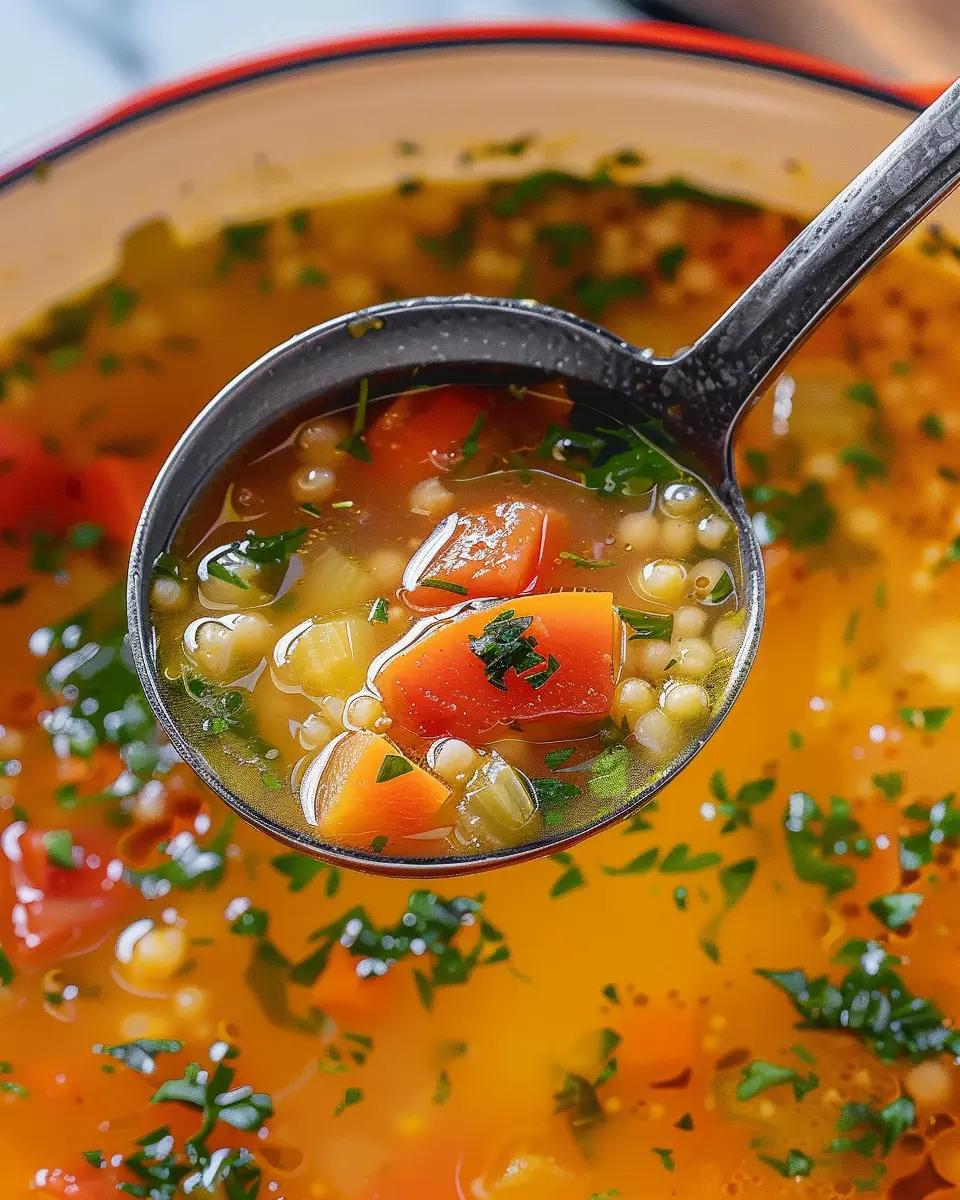
Ingredients for Italian Penicillin Soup
Fresh vegetables for a wholesome flavor
When crafting your Italian Penicillin Soup, fresh vegetables are the stars of the show. Think vibrant carrots, earthy celery, and hearty onions; each adds depth and nutritional value. You can also include chopped garlic for that aromatic kick. These ingredients not only provide flavor, but they are packed with vitamins that can boost your immune system. You could even toss in some leafy greens like spinach or kale for an extra health boost, making your soup not only delicious but also a powerhouse of nutrients. For more tips on sourcing fresh produce, check out this guide from Farmers' Almanac.
The importance of quality broth
Now, let’s talk broth—your base for the perfect Italian Penicillin Soup. A high-quality, homemade broth trumps store-bought options any day. Whether you use chicken broth or a flavorful vegetable broth, it lays the foundation for deep, comforting flavors. Consider making a large batch and freezing some for future soups; it saves time and enhances the soup’s taste significantly! Plus, using organic broth can lead to healthier meals. For more insights, visit Bon Appétit’s broth guide.
With these fresh ingredients and a great broth, you'll have a soul-warming soup that'll lift your spirits and nourish your body.
Preparing Italian Penicillin Soup
Making your very own Italian Penicillin Soup is a delightful experience, especially when you can fill your kitchen with the aromatic scents of fresh ingredients. This recipe, rooted in the tradition of hearty Italian cooking, is perfect for young professionals looking to whip up something nourishing yet straightforward. Let’s dive into the preparation steps together!
Sautéing the aromatic base
To start off, you'll want to create a rich foundation for your soup. The aromatic base is crucial for developing depth of flavor. Grab a heavy-bottom pot and set it over medium heat. Add a splash of olive oil and let it warm up. You’ll want to sauté finely chopped onions and garlic until they're fragrant and translucent—around 3-4 minutes.
Here’s a little tip: don’t rush this step! The longer you allow the onions to sweat, the more sweetness they’ll bring to the soup. If you're wondering why I recommend this over other cooking methods, studies show that proper sautéing can enhance flavor compounds significantly (source: Culinary Institute of America).
Adding vegetables and herbs
Once your base is ready, it’s time to bring in the veggies. Incorporate diced carrots, celery, and a bit of red bell pepper for color and sweetness. Toss them in and allow them to cook for about 5 minutes.
Next, add freshly chopped herbs like thyme and parsley. These not only elevate the flavor but also add a fragrant touch that’s hard to resist. If you're a fan of a bit of spice, consider sprinkling in some crushed red pepper flakes—it's a great way to introduce a gentle heat without overpowering the dish.
Simmering for depth of flavor
With your aromatic base and colorful vegetables in the pot, it’s time for the big flavor infusion. Pour in a quart of vegetable broth, stirring everything to combine. Allow your soup to come to a gentle simmer—this is where the magic happens.
Simmer for about 20-30 minutes, which gives the ingredients time to meld beautifully. This step is where you’ll truly appreciate the essence of your Italian Penicillin Soup. Feel free to pop in some chicken ham or diced turkey bacon for added protein and a satisfying bite. Remember, the longer you simmer, the more complex the flavors become!
Blending for a creamy texture
Once your soup has simmered to perfection, the next step is to transform it into a smooth, creamy delight. For this, you'll want to use an immersion blender (or you can transfer the soup in batches to a regular blender). Blend until you achieve a velvety consistency. If you like a bit of texture, you can leave some small chunks of vegetables.
An expert’s tip: blending while the soup is hot will ensure a creamy blend without unwanted lumps. If you prefer a thinner consistency, feel free to add a little more broth.
Finishing touches with pastina
To elevate your Italian Penicillin Soup, let’s talk about the finishing touches! Add a cup of pastina or small pasta shapes directly into the simmering soup. You’re going to love how the small pasta absorbs the flavors while providing a delightful chew.
Cook according to package instructions, and serve hot, garnished with freshly grated Parmesan cheese and a sprinkle of additional parsley if desired. This is the moment when all your effort pays off: the aroma, the flavors, the beautiful presentation—it’s all there!
Enjoy your Italian Penicillin Soup as a cozy meal on its own or paired with crusty bread for dipping. And remember, cooking is about experimenting and making it your own, so feel free to try different veggies or spices to match your taste preferences. Bon appétit!
For more delightful tips, check out these soup-stirring techniques or delve deeper into the art of Italian cooking.
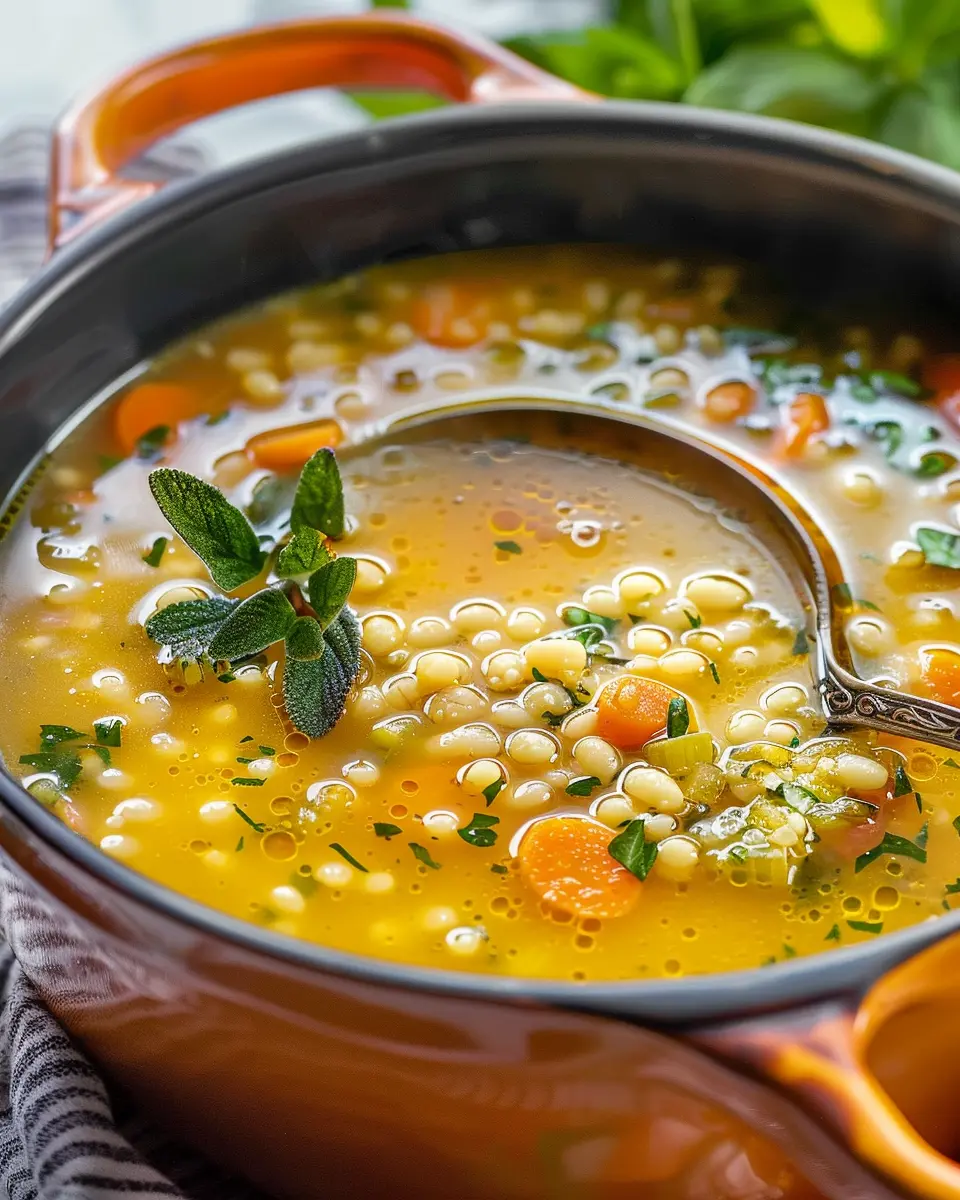
Variations on Italian Penicillin Soup
Adding Protein Options
When it comes to enhancing your Italian Penicillin Soup, experimenting with different proteins can take your dish to the next level. You can easily swap in some delicious alternatives:
- Turkey Bacon: This provides a smoky flavor with fewer calories than traditional options.
- Chicken Ham: Low-fat and succulent, chicken ham works great for a lighter soup.
- Beef Chunks: If you're craving something heartier, add some good-quality beef, simmering it to tender perfection.
Each of these proteins brings its own unique flair to the soup while boosting its nutritional value. According to a report by the USDA, lean meats can offer important nutrients like iron and protein, making your soup even more fulfilling.
Exploring Different Grains
Why stop at pasta when you can get creative with your grains? Varying the base of your Italian Penicillin Soup can introduce exciting textures and flavors. Here are a few to consider:
- Quinoa: High in protein and gluten-free, quinoa can give the soup a nutty flavor while enriching its nutrient profile.
- Farro: This ancient grain has a chewy texture and a slightly sweet, nutty taste that complements the broth beautifully.
- Brown Rice: A classic option that's inherently hearty, brown rice adds fiber and pairs perfectly with the rich flavors of the soup.
Feeling adventurous? Try combining two different grains for a unique twist. Not only will this enhance the flavor and consistency, but it also supercharges the nutrient content—making your meal not just comforting, but also incredibly wholesome.
By diversifying your ingredients, you elevate your soup from a simple comfort food to a nourishing dish that can support your busy lifestyle. So, what variation will you try first?
Cooking notes for Italian Penicillin Soup
Tips for maximizing flavor
To truly elevate your Italian Penicillin Soup, consider the quality of your ingredients. Fresh herbs, such as basil and parsley, can make a significant difference in flavor. Also, try using low-sodium chicken broth for a more balanced taste. A splash of lemon juice right before serving can brighten up the soup. Don’t forget about seasoning! A pinch of salt and cracked black pepper can go a long way.
Adjusting consistency to your liking
The beauty of Italian Penicillin Soup is its versatility. If you prefer a thicker consistency, blend a portion of the soup and stir it back in. For a lighter soup, simply add more broth or water until you achieve your desired texture. Remember, cooking is all about experimentation—don’t hesitate to adjust.
For more insights on flavor enhancement, check out this guide on maximizing soup flavors. Happy cooking!
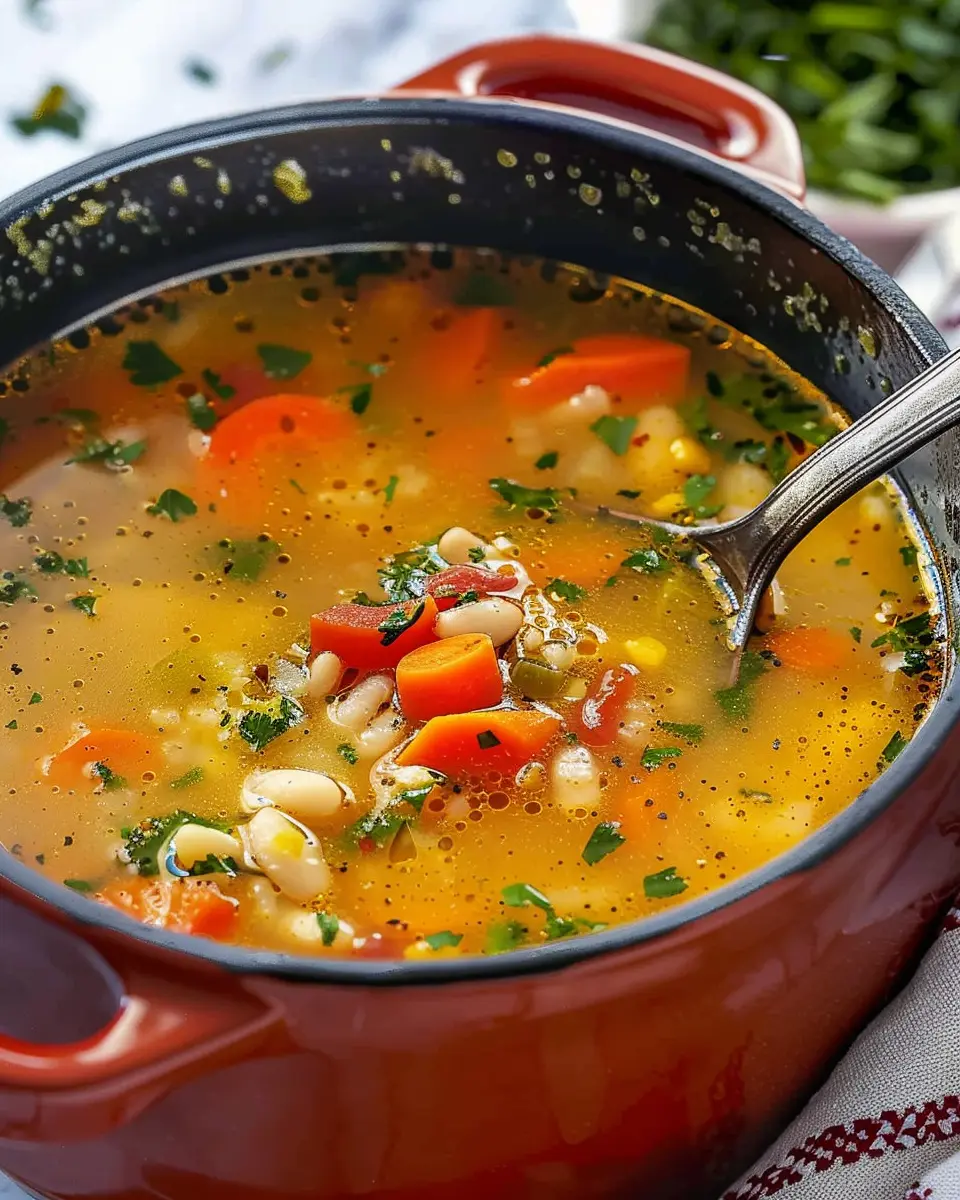
Serving suggestions for Italian Penicillin Soup
Ideal pairings with bread
One of the best ways to enjoy Italian Penicillin Soup is with a side of crusty bread. Think about a warm, freshly baked ciabatta or a slice of toasted baguette. These options not only soak up the rich flavors of the soup but also add a delightful crunch. If you're looking to elevate your meal, try serving it with garlic bread topped with Parmesan for a zesty twist.
Perfect for lunch or dinner
Whether you’re heading into a busy work week or winding down on a leisurely weekend, Italian Penicillin Soup is versatile enough for any mealtime. It’s nourishing and fulfilling for lunch, offering a great balance of protein and veggies to keep you energized. On the other hand, it makes a cozy, comforting dinner when paired with a salad for added freshness. You can also top it with freshly grated cheese or a sprinkle of herbs for an extra zing.
For more ideas on complementary sides, you might want to check out resources like BBC Good Food or EatingWell, which can help you expand your culinary horizons!
Tips for Making Perfect Italian Penicillin Soup
Using Seasonal Vegetables
When creating a comforting bowl of Italian Penicillin Soup, the choice of vegetables makes all the difference. Opt for seasonal produce to amplify the flavor profile. Think vibrant greens like spinach or kale in spring, and hearty root vegetables such as carrots and parsnips during the colder months. Not only do seasonal vegetables taste better, but they’re also more nutritious and often more affordable. For an extra boost, consider visiting your local farmers' market for fresh options. With each seasonal vegetable, you’ll add a unique twist that can elevate your soup!
Experimenting with Spices and Herbs
The beauty of Italian Penicillin Soup lies in its adaptability. While the base recipe calls for classic flavors, don’t hesitate to make it your own with a personal touch! Adding fresh herbs like basil or oregano can bring a garden-fresh essence, while a pinch of red pepper flakes can introduce a delightful warmth. Consider using alternative broth varieties, such as vegetable or chicken broth, for added depth. For those who like a zestier kick, a splash of lemon juice right before serving can enhance the entire dish.
Incorporating your unique spices not only makes the soup enjoyable but also creates a dish that reflects your personality. Have you found a spice combination that works wonders? Share that secret with friends or in the comments!
Time Details for Italian Penicillin Soup
Preparation Time
Getting your Italian Penicillin Soup ready is a breeze! You’ll need about 15 minutes to chop the veggies and gather your ingredients. It’s a perfect opportunity to sip on some herbal tea while you work.
Cooking Time
Once everything is prepped, the actual cooking takes around 30 minutes. This is when the magical flavors meld together, filling your kitchen with comforting aromas.
Total Time
In just 45 minutes, you’ll have a warm, hearty bowl of soup that’s perfect for any day of the week. Whether you’re nourishing yourself after a long day or hosting friends for dinner, this Italian Penicillin Soup is sure to impress.
For helpful chopping tips, check out this guide on knife skills to speed up your prep time!
Nutritional information for Italian Penicillin Soup
When you're feeling under the weather or just craving a warm, hearty meal, Italian Penicillin Soup can be a go-to comfort food. Here’s a handy breakdown of its nutritional content to keep you informed while you sip away.
Calories
Each bowl of Italian Penicillin Soup is packed with approximately 250 calories, making it a light yet fulfilling option. It’s perfect for lunch or dinner, allowing you to enjoy a nutritious meal without the guilt.
Protein
With its blend of protein-rich ingredients like turkey bacon and chicken ham, this soup offers about 15 grams of protein per serving. That’s not just tasty; it’s also essential for muscle repair and overall health.
Sodium
Be mindful of the sodium content, as one serving contains around 850 mg. To keep your soup heart-healthy, consider using low-sodium broth, which can help manage your sodium intake while still delivering comforting flavors.
For more guidance on sodium limits and healthy eating, check out the American Heart Association.
Italian Penicillin Soup not only warms the soul but also nourishes the body—just one of the many reasons to whip up this delightful dish!
FAQs about Italian Penicillin Soup
Can I use frozen vegetables?
Absolutely! Using frozen vegetables is a fantastic option for your Italian Penicillin Soup. They’re convenient, often just as nutritious, and save you prep time. Plus, they’re typically picked and frozen at the peak of freshness, ensuring you still get that vibrant flavor. Just toss them in during the last 10 minutes of cooking to ensure they retain some texture.
How long does the soup last in the fridge?
Once you've whipped up a delicious batch of Italian Penicillin Soup, it can be stored in the fridge for about 3 to 5 days. Just make sure to keep it in an airtight container. If you find you have leftovers (which is often the case), you might also consider freezing it! Properly stored, it can last up to 3 months in the freezer. Just thaw overnight in the fridge when ready to reheat.
Is it possible to make this soup vegetarian?
Definitely! You can easily customize your Italian Penicillin Soup to be vegetarian-friendly. Simply substitute the chicken ham and turkey bacon with plant-based alternatives like tofu or tempeh. Additionally, using vegetable broth instead of chicken broth will keep it flavorful while aligning with your dietary preferences. For more tips on vegetarian substitutions, check out this resource on plant-based cooking.
Making these adjustments not only allows for a delicious meal that fits your lifestyle, but also opens up a world of flavors and textures! Remember, cooking is all about exploring and finding what works best for you.
Conclusion on Italian Penicillin Soup
Embracing the joys of homemade cooking
As you savor the rich flavors of your Italian Penicillin Soup, take a moment to appreciate the joys of homemade cooking. Not only does this nourishing dish bring warmth and comfort, but it also allows you to customize ingredients to suit your taste. Imagine experimenting with fresh herbs or different vegetables to create your signature version!
Cooking at home can be a rewarding experience. It fosters a connection with the ingredients and enhances your culinary skills. The health benefits are substantial too, as homemade meals are often more nutritious than takeout. So, roll up your sleeves, grab your apron, and make this delightful soup a comforting staple in your kitchen routine!
For more inspiration, check out resources like Seed to Supper for tips on using fresh, local produce, or consult The Kitchn for ideas on cooking basics. Happy cooking!




Leave a Reply