Introduction to Japanese Cheesecake
Japanese cheesecake is unlike any dessert you've ever tasted. Imagine sinking your fork into a light, fluffy creation that manages to be both creamy and airy at the same time. Often dubbed “light as a cloud,” this unique dessert captures the hearts of those who try it, thanks to its lean, silky texture and subtly sweet flavor. For many young professionals looking for the perfect ending to a home-cooked meal or a delightful bite with their afternoon coffee, Japanese cheesecake is the answer.
Why is Japanese Cheesecake the Perfect Dessert for Young Professionals?
In the busy world of young professionals, where time is often of the essence, Japanese cheesecake stands out as an appealing choice for several reasons:
-
Easy to Make: Don’t worry if you’re not a seasoned baker! Japanese cheesecake requires simple ingredients like cream cheese, eggs, and sugar. The technique may seem tricky, but with a little practice, you’ll impress your friends in no time! Many recipes, such as those found on Serious Eats, offer clear, step-by-step instructions that can ease you into the process.
-
Unique Flavor: While classic cheesecakes can sometimes be overly rich, this Japanese version strikes the perfect balance. Its gentle sweetness complements coffee or tea perfectly, making it a delightful companion for mid-afternoon breaks or dinner parties.
-
Healthier Focus: With the increasing awareness of healthy eating, many young professionals are looking for desserts that won't leave them feeling guilty. Japanese cheesecake is lower in calories compared to traditional cheesecakes, especially if you use lighter cream cheese options. This makes it a sensible treat to satisfy your sweet tooth without the heavy aftermath.
-
A Dash of Adventure: Trying Japanese cheesecake is like taking your taste buds on an exciting journey. The unique texture and exotic roots can spark conversations among friends, allowing you to share the joy and stories behind this delightful dessert, making it a great social treat.
So, if you're looking for a sweet indulgence that’s both simple to prepare and pleasing to the palate, Japanese cheesecake might just be your next kitchen triumph! Get ready to whip up this delicate dessert that'll leave a lasting impression.
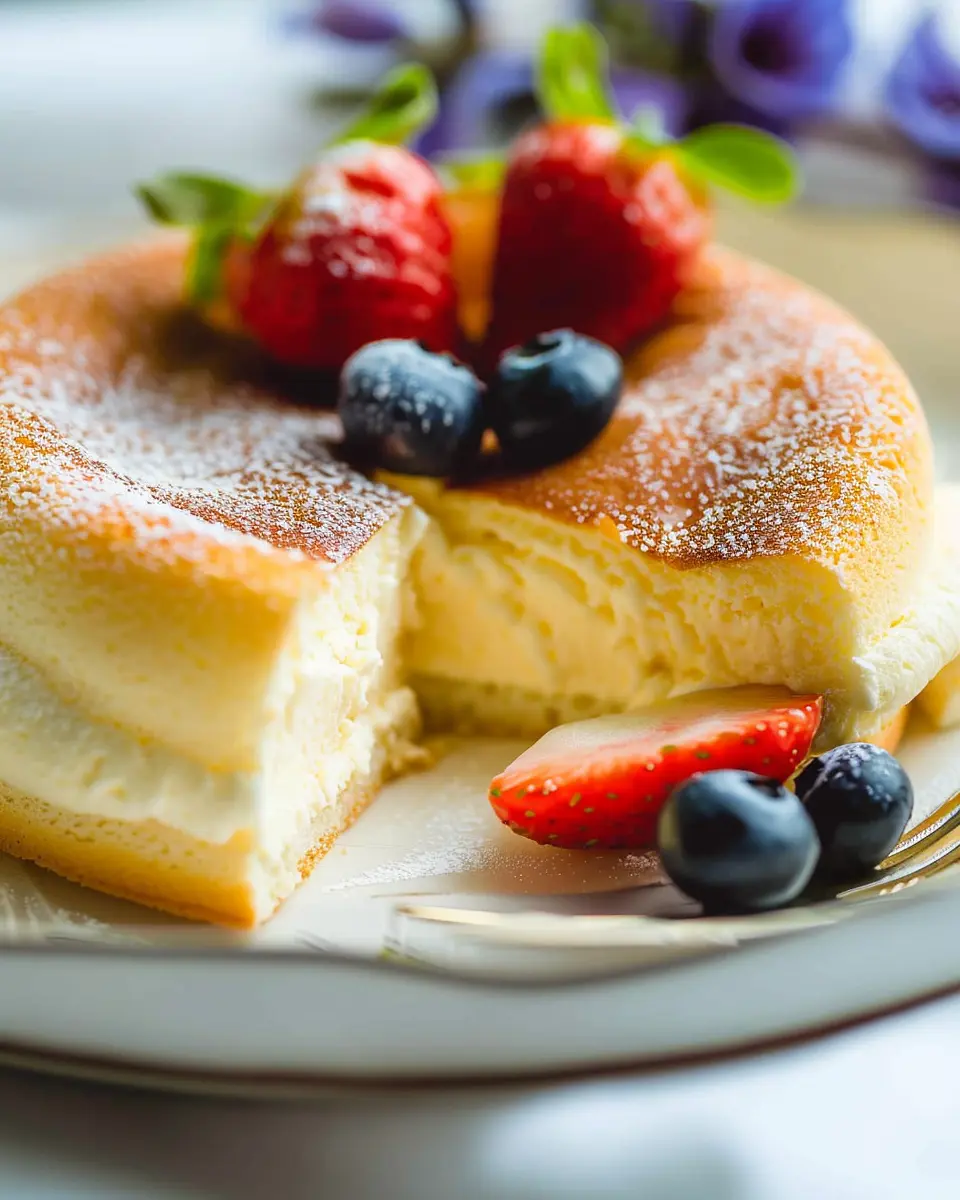
Ingredients for Japanese Cheesecake
When diving into the delightful world of Japanese cheesecake, having the right ingredients is essential for achieving that light, fluffy texture and sweet flavor. Let’s lay out what you’ll need to get started:
- Cream Cheese: 8 oz, softened. Choose a good quality for a rich taste.
- Granulated Sugar: ¾ cup. This sweetener is key for balancing flavors.
- Eggs: 4 large. Separate the egg whites from the yolks for that airy lift!
- All-Purpose Flour: ¼ cup. This adds structure without making the cake dense.
- Cornstarch: 2 tablespoons. This helps keep the texture smooth and moist.
- Milk: ¼ cup, room temperature. A delightful addition that enhances creaminess.
- Butter: 2 tablespoons, melted. Use unsalted for complete control over sweetness.
- Vanilla Extract: 1 teaspoon. For that hint of aromatic warmth.
With these core ingredients, you’re on your way to creating an unforgettable Japanese cheesecake. If you’re curious about experimentation, consider adding lemon zest for a zesty twist or even a hint of matcha for a unique flavor profile. Check out more on baking techniques at The Spruce Eats for handy tips!
Step-by-step Preparation for Japanese Cheesecake
Creating a delightful Japanese Cheesecake can seem daunting at first, but with the right prep steps, you’ll find it’s not only manageable but also incredibly rewarding. This guide takes you through each essential step to ensure that your cheesecake turns out fluffy, soft, and oh-so-delicious.
Prepare the cake pan
Before diving into the actual cheesecake batter, you need to prepare your baking vessel. Grab a 9-inch round cake pan and line the bottom with parchment paper. This prevents sticking and makes for an easier release once your Japanese Cheesecake is perfectly baked. It’s often a good idea to grease the sides of the pan lightly with butter to enhance the non-stick quality. If you’re feeling adventurous, you can even decorate the sides with a strip of parchment paper for a fun twist during presentation.
Preheat the oven and prepare the double boiler
Next, preheat your oven to 320°F (160°C). This gentle heat will help your cheesecake rise evenly without cracking. While that’s warming up, it’s time to set up your double boiler. If you don’t have a traditional double boiler, simply place a heatproof bowl over a pot of simmering water. This method provides a gentle heat for melting the cream cheese and ensures a smooth, creamy batter. Keep the water at a low simmer to keep the temperature consistent.
Gather and measure all ingredients
Preparation is key! Gather your ingredients into one area, and measure them out accurately. You’ll need:
- 8 oz (225g) cream cheese
- ½ cup (100g) granulated sugar
- ¼ cup (60ml) milk
- ¼ cup (60ml) heavy cream
- 3 large eggs, yolks and whites separated
- 1 tablespoon lemon juice
- 1 teaspoon vanilla extract
Having everything ready not only helps streamline the process but also makes it less stressful.
Make the cake batter
In your double boiler, combine the cream cheese, heavy cream, and milk. Stir constantly until melted and smooth. Once combined, remove the mixture from heat and let it cool slightly. In a mixing bowl, whisk together the egg yolks, sugar, lemon juice, and vanilla extract until pale and fluffy. Gradually fold the cooled cream cheese mixture into the egg yolk mixture. Make sure to do this gently to keep the batter airy.
Set up the Bain-Marie (water bath)
To create the Bain-Marie, you’ll need a larger baking pan. Fill it with hot water, then place your cheesecake pan inside. This water bath helps the cheesecake bake evenly and prevents cracks during the baking process. Be careful not to let any water seep into the cheesecake pan itself; cover the pan with aluminum foil if necessary.
Beat and incorporate the egg whites
Now comes the magic part! In a clean mixing bowl, add the egg whites and beat them until they form stiff peaks. This step is crucial for giving your Japanese Cheesecake that fluffy, airy texture. Gently fold the beaten egg whites into the cheesecake batter, taking care not to deflate the mixture. Use a rubber spatula and fold in thirds, combining the mixture until just blended.
Bake the cheesecake
Pour the final batter into the prepared cake pan and carefully move it into the Bain-Marie. Bake for 50-60 minutes, or until the edges are set but the center is still slightly jiggly. This slight wobble will firm up as it cools, leading to that signature silky texture you crave.
Cool the cheesecake properly
Once baked, turn off your oven and crack the door open, allowing the cheesecake to cool slowly. This helps prevent cracks as the temperature changes. After about 30-60 minutes, remove it from the water bath and let it cool to room temperature before refrigerating it for at least 4 hours, or overnight for the best results. This rest period enhances the flavors and helps it set perfectly.
With these detailed steps, you’ll be well on your way to having a lovely Japanese Cheesecake ready to impress friends and family alike! Enjoy the process and savor the delicious results. For additional tools or tips, check out resources like Serious Eats or Bon Appétit for more innovative baking techniques.
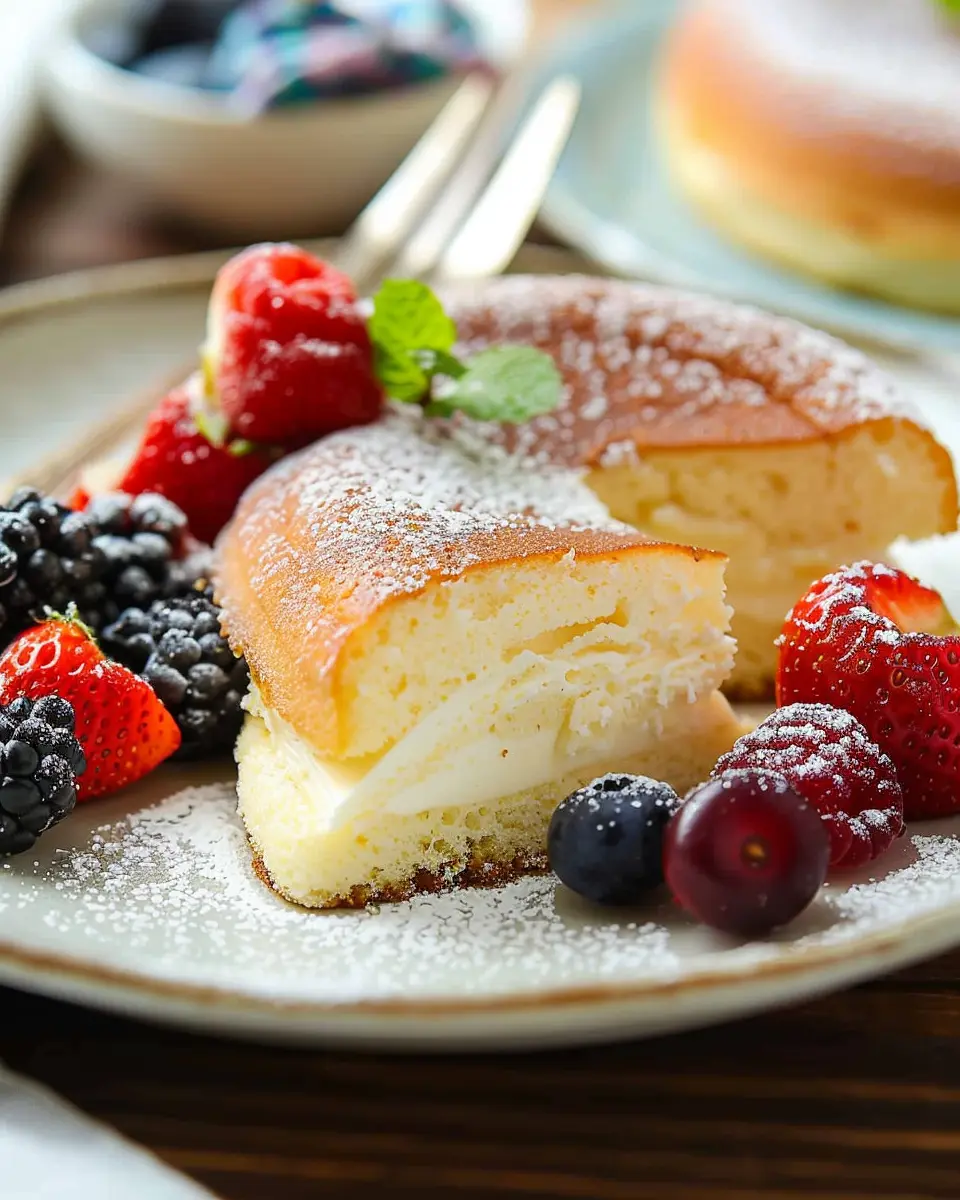
Variations on Japanese Cheesecake
Japanese cheesecake is a delightful canvas that can easily be tailored to suit your taste buds. Here are a couple of exciting variations that will elevate your baking game and impress your friends.
Lemon-infused Japanese cheesecake
If you're a fan of citrusy flavors, try infusing your Japanese cheesecake with lemon! The acidity of lemon zest and juice perfectly balances the richness of the cream cheese, creating a refreshing bite. To make this variation, simply add the zest of one large lemon and about 2 tablespoons of fresh lemon juice to your batter.
- Tip: Opt for organic lemons to get the most vibrant flavor.
- Bake as usual and allow it to cool completely before serving. The result? A light, fluffy cake with a delightful tang that pairs wonderfully with a cup of tea or coffee.
For more citrus-inspired recipes, check out this citrus dessert guide.
Matcha Japanese cheesecake
Matcha enthusiasts, rejoice! Adding matcha powder to your Japanese cheesecake brings an earthy depth to the dessert. Use about 2 tablespoons of high-quality matcha powder to your batter, mixing it in with the dry ingredients.
- Pro tip: Sift the matcha before incorporating to avoid clumps for a smoother texture.
- The vibrant green color doesn’t just make it visually stunning; it also imparts a unique flavor that pairs beautifully with the creaminess of the cheesecake.
Not sure where to find premium matcha? Check out this matcha sourcing guide for your options.
These variations showcase just how versatile Japanese cheesecake can be. Experimenting with flavors is half the fun, so don’t hesitate to get creative!
Cooking Tips and Notes for Japanese Cheesecake
Creating the perfect Japanese Cheesecake can be an enjoyable culinary adventure! Here are some helpful tips to ensure your cheesecake turns out light, fluffy, and absolutely delicious.
Use Quality Ingredients
Invest in good-quality cream cheese and fresh eggs. The flavor and texture of your Japanese Cheesecake will significantly improve with ingredients you can trust. Always opt for full-fat cream cheese for that rich, indulgent taste.
Monitor Your Oven Temperature
Ovens can vary in their actual temperature. Use an oven thermometer to ensure you're baking at the right heat. A gentle bake is key to achieving that signature airy texture while preventing any cracks on the surface.
Whipping Your Egg Whites
When whipping egg whites, make sure your bowl is clean and dry to stabilize the meringue. Slowly add sugar once bubbles start to form; this helps achieve a smooth, shiny texture. Remember, stiff peaks are your goal for that cloud-like creaminess.
For further insights, check out this great guide on cheesecakes at Epicurious.
These simple tips will help you create a Japanese Cheesecake that will impress your friends and keep them coming back for more! Happy baking!
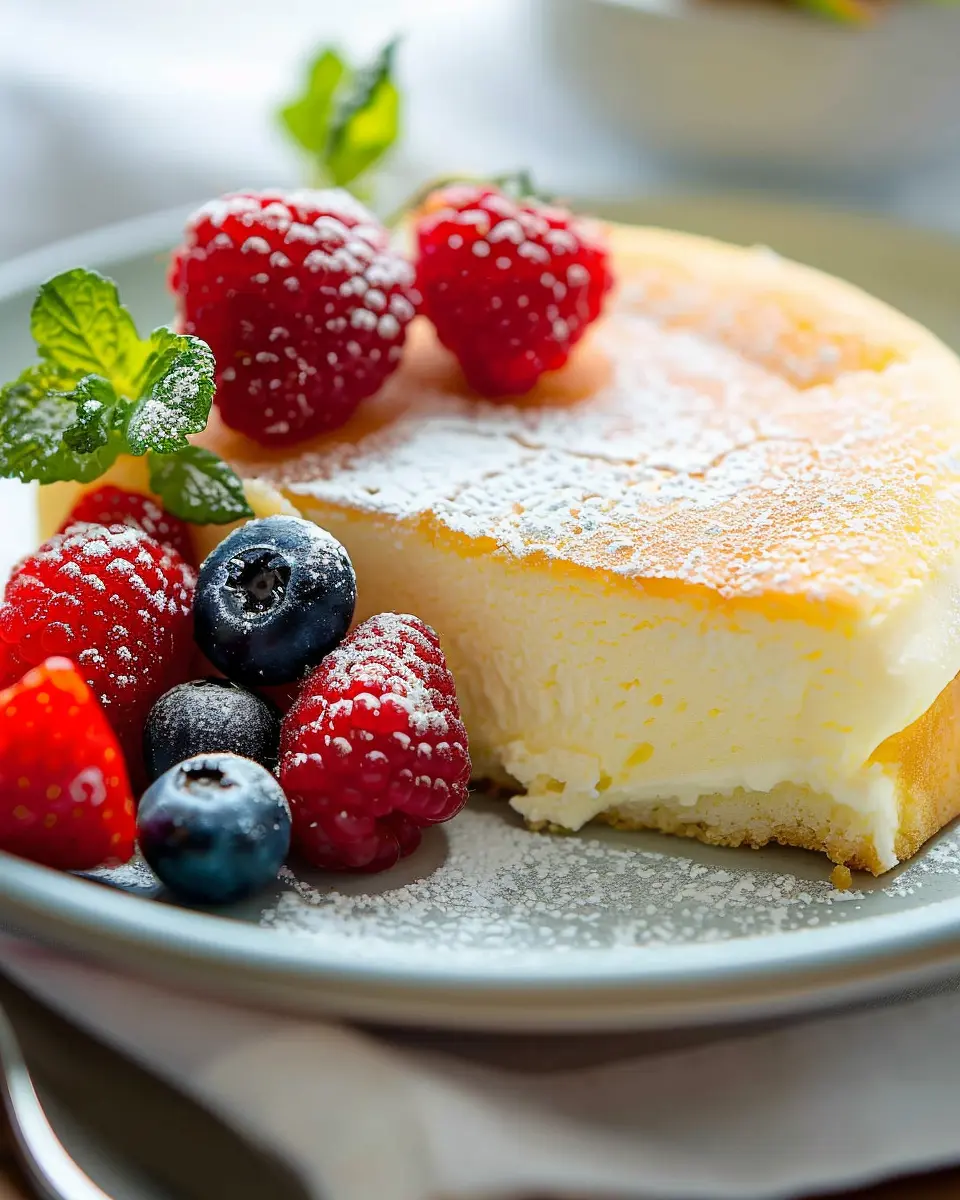
Serving Suggestions for Japanese Cheesecake
Japanese Cheesecake is known for its delicate fluffiness and creamy texture. To enhance this delightful treat, consider these serving suggestions:
Pair with Fruit Compote
Fresh fruit compote can elevate the flavors beautifully. Berries like strawberries, blueberries, or raspberries create a refreshing contrast to the rich cheesecake. You could also try a tropical twist with mango or pineapple.
Add Whipped Cream
A dollop of lightly sweetened whipped cream can add a luxurious touch. You can experiment with flavors too—perhaps a hint of vanilla or even matcha for a unique fusion.
Enjoy with Coffee or Tea
A cup of freshly brewed coffee or green tea makes the perfect accompaniment. The bitterness balances the sweetness of the cheesecake, resulting in a harmonious blend.
Garnish for Extra Appeal
Consider garnishing with mint leaves or a dusting of powdered sugar. Presentation matters, and a beautiful slice of Japanese Cheesecake can stand out at any gathering.
For more ideas on serving desserts, check out this food pairing guide that highlights exciting combinations!
Time Breakdown for Japanese Cheesecake
When it comes to making Japanese cheesecake, timing is everything! Here’s a quick breakdown to help you plan your baking adventure effectively.
Preparation Time
You’ll spend about 20-30 minutes gathering your ingredients and mixing everything together. It's essential to have everything at room temperature for the fluffiest results! While you prepare, consider reading this guide on cheesecake techniques to enhance your skills.
Baking Time
The baking process takes around 50-60 minutes. This gentle baking method, often using a water bath, helps create that signature lightness and airy texture.
Cooling and Chilling Time
Allow your creation to cool for at least 2 hours at room temperature, followed by chilling in the fridge for a minimum of 4 hours to set properly. Patience is key here—you'll be rewarded with the ultimate slice of Japanese cheesecake!
Ready to dive in? Your cheesecake journey begins now!
Nutritional Facts for Japanese Cheesecake
Calories
A typical slice of Japanese Cheesecake packs around 250–300 calories, making it a delightful yet indulgent treat. It’s important to stay mindful of portion sizes if you are watching your calorie intake. The light and fluffy texture may tempt you to have seconds, but savoring each bite might be the way to go!
Macronutrients
When it comes to macronutrients, a slice of Japanese Cheesecake generally contains:
- Carbohydrates: Approximately 30–35 grams, derived mainly from sugar and flour.
- Protein: Around 6–8 grams, thanks to the cream cheese and eggs, making it a higher-protein dessert compared to traditional cheesecakes.
- Fats: About 15–20 grams, primarily from cream cheese and butter.
With its unique composition, Japanese Cheesecake offers a soft balance that satisfies your sweet cravings without overwhelming your macros. For more detailed insights on nutritional values, check resources like the USDA FoodData Central for the most accurate information.
For those eager to find healthier alternatives or variations, looking at sites like Healthline can offer some innovative twists on this beloved dessert. Enjoy your baking and indulging!
FAQs about Japanese Cheesecake
What gives Japanese cheesecake its fluffy texture?
The signature fluffy texture of Japanese cheesecake comes from a combination of whipped egg whites and a light batter. Unlike traditional cheesecakes, which use a denser cream cheese mixture, Japanese cheesecake incorporates meringue, which adds that delightful airy quality. When you beat the egg whites to soft peaks and gently fold them into the batter, you're trapping air that expands during baking, creating that cloud-like sensation. If you're curious about the science behind it, check out this detailed explanation from Serious Eats.
How can I prevent my cheesecake from cracking?
Cracked surfaces on your Japanese cheesecake can be disappointing, but fear not—there are a few tricks! Here are some effective methods:
- Water Bath: Baking your cheesecake in a water bath (bain-marie) helps maintain even temperatures and moisture, preventing cracks.
- Gradual Cooling: Allow your cheesecake to cool in the oven with the door ajar, which reduces temperature shock and minimizes cracking.
- Avoid Overmixing: While incorporating the egg whites, avoid overmixing, which can lead to a denser texture and even cracking.
By following these tips, you can achieve that smooth, flawless top you desire!
Can I freeze Japanese cheesecake?
Yes, you can freeze Japanese cheesecake! To keep it fresh, wrap individual slices tightly in plastic wrap and then place them in an airtight container. When you're ready to enjoy your cheesecake, simply thaw it in the refrigerator overnight. It's a practical solution for those times when you want a slice of that fluffy goodness on demand. For more details on freezing cheesecake, check out this guide from Taste of Home.
By understanding these common questions, you're well on your way to mastering the art of making a heavenly Japanese cheesecake!
Conclusion on Japanese Cheesecake
In conclusion, Japanese Cheesecake is more than just a dessert—it's a delightful experience that invites everyone to try their hand at baking. Its fluffy texture and unique flavor are sure to impress your friends and family. Plus, this concoction offers variations, allowing you to incorporate your favorite ingredients like fruits or toppings.
Baking is not just about following a recipe, but also about creating memories. Why not host a cheesecake-making night? As you share techniques and stories, these simple moments can transform into cherished traditions. So preheat that oven and let the joy of Japanese Cheesecake unfold in your kitchen! For more inspiration, check out this resource.
[tasty-recipe id="8385"]
Leave a Reply