Introduction to Burnt Basque Cheesecake
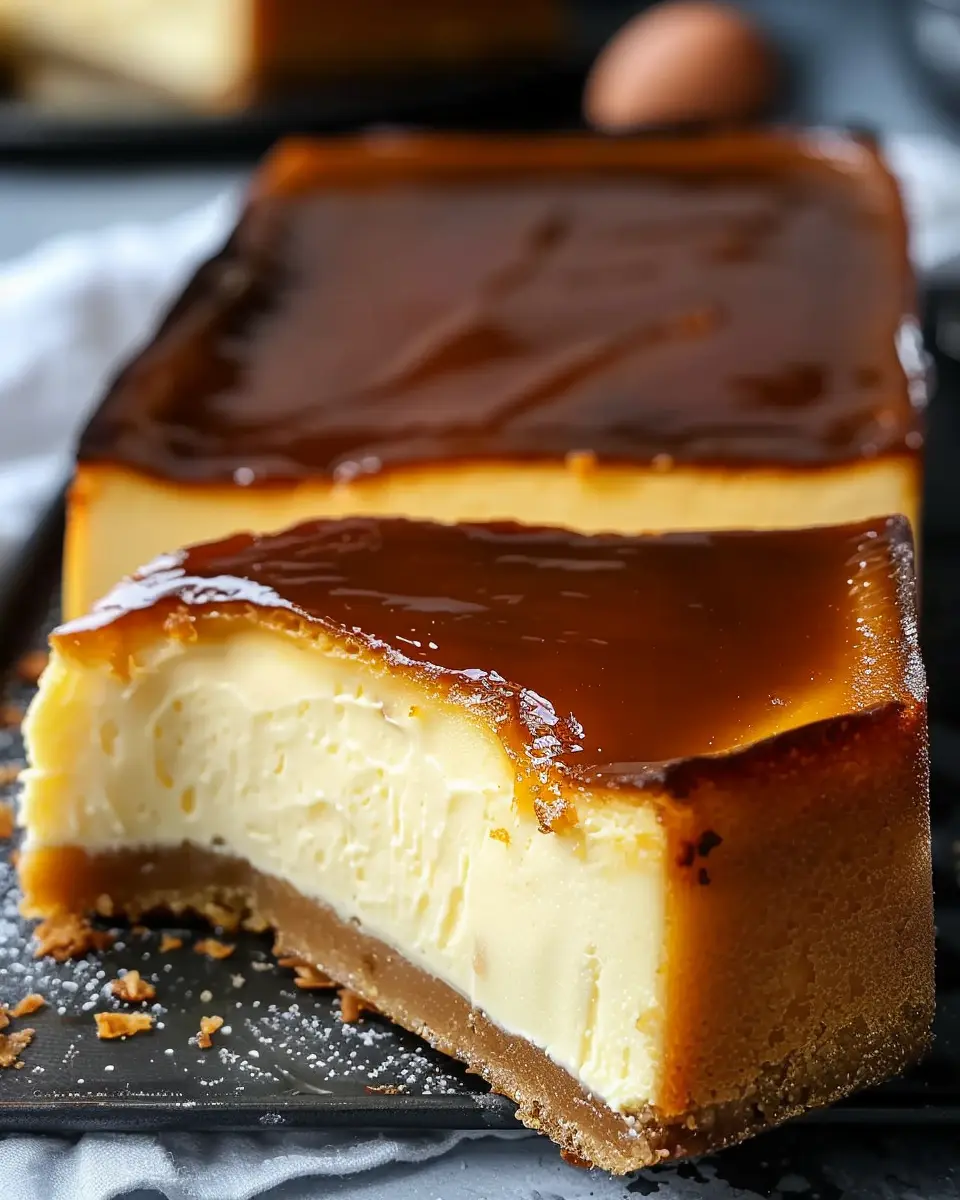
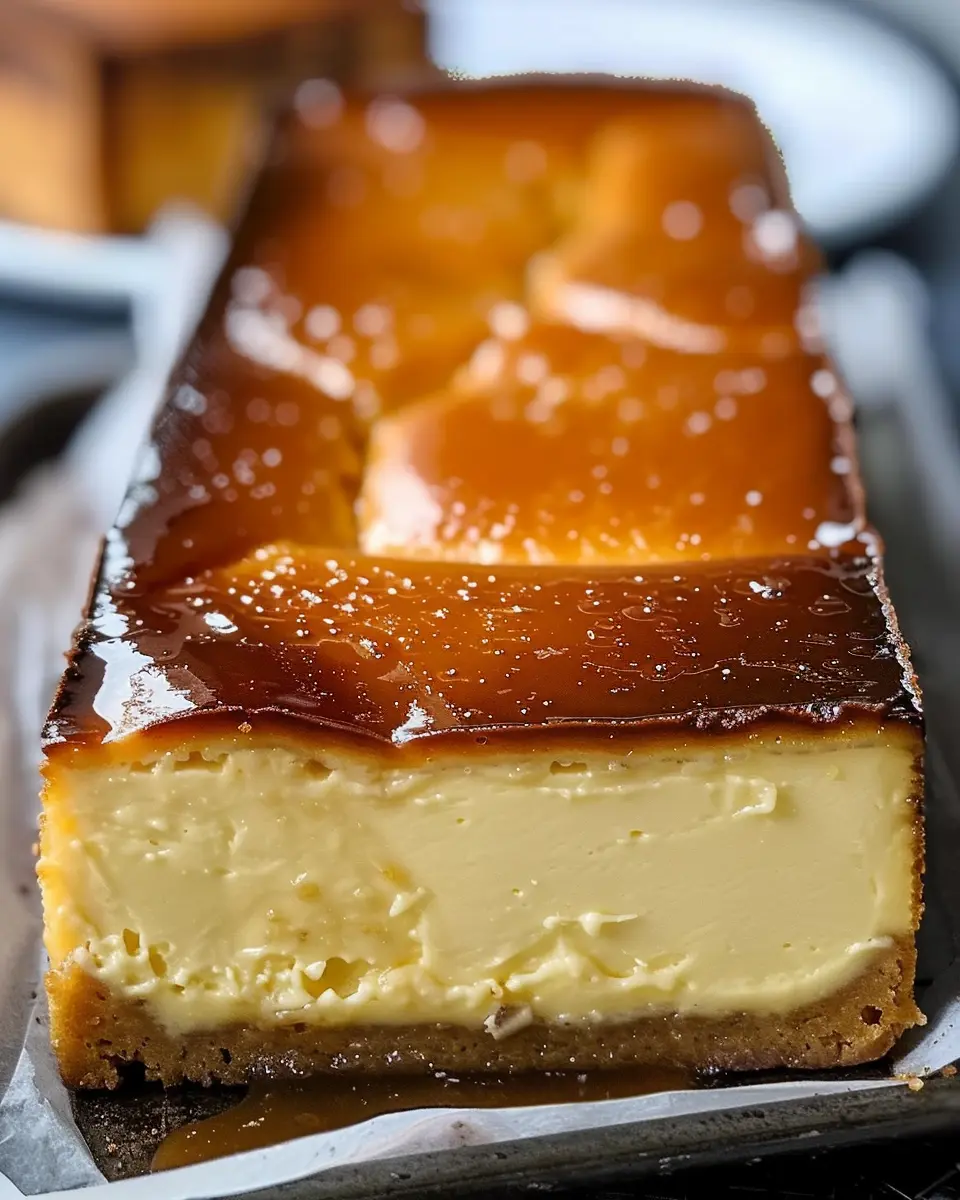
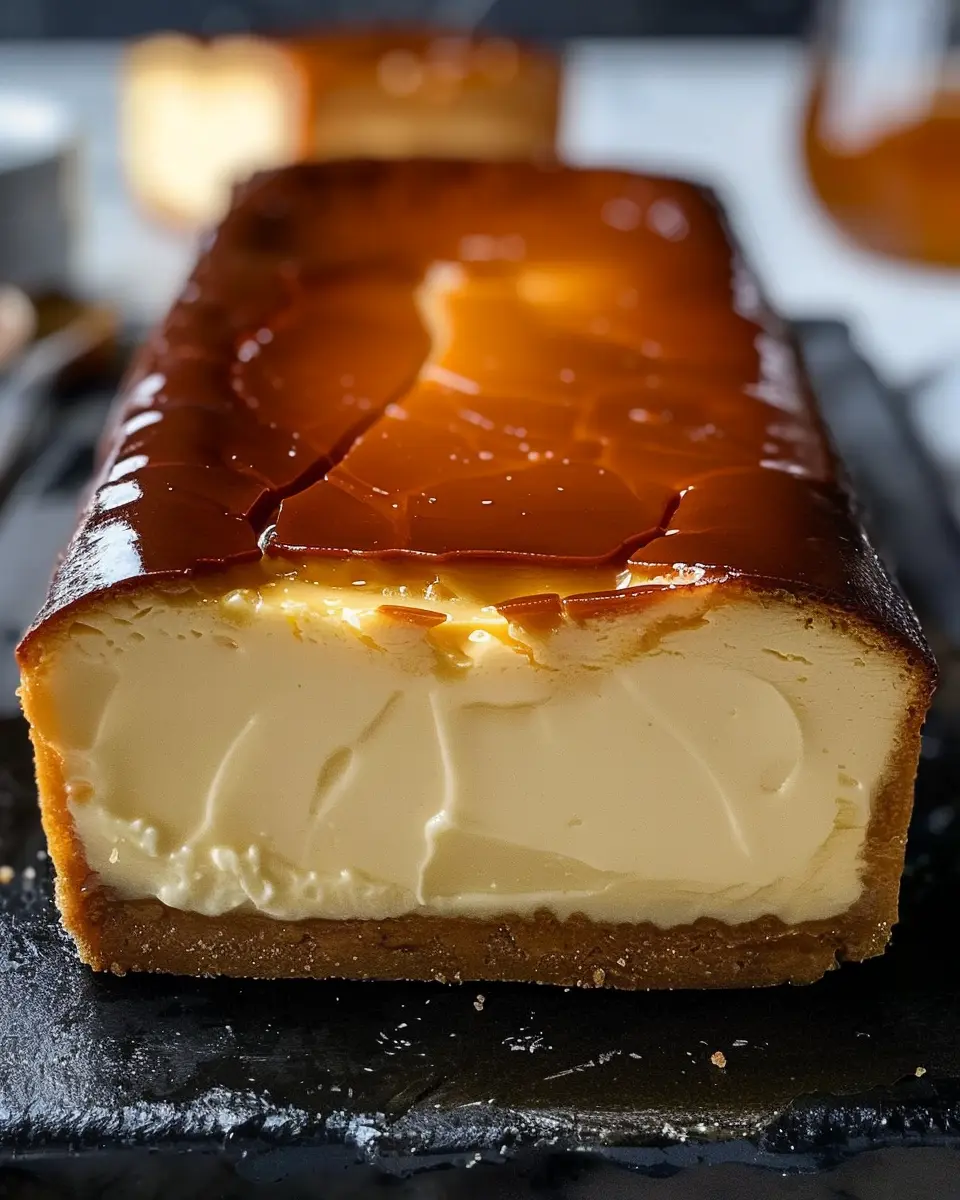
If you haven’t heard of burnt basque cheesecake, then you’re in for a delightful surprise! This treat originated from the Basque region of Spain and has quickly captivated dessert lovers worldwide. Its unique appearance, with a beautifully charred top and creamy interior, gives it a rustic charm that’s hard to resist. But what makes this cheesecake so special? Let’s break it down.
Why is Burnt Basque Cheesecake Taking the Dessert World by Storm?
First and foremost, the rich, creamy texture of burnt basque cheesecake sets it apart from traditional cheesecakes. It’s incredibly easy to make, requiring just a few pantry staples like cream cheese, sugar, eggs, and heavy cream. You won’t need a perfectly formed crust or intricate layering — the simplicity of the recipe allows even novice bakers to achieve impressive results.
Moreover, this cheesecake’s bold flavor and slightly caramelized surface create an unforgettable taste experience. According to a recent survey from The Dessert Lovers Association, 72% of dessert enthusiasts prefer innovative twists on classic recipes, and burnt basque cheesecake fits the bill perfectly. It’s sweet yet savory, thanks to that charred top, which adds depth that traditional cheesecakes just can’t offer.
Let’s not forget the presentation! When you cut into your burnt basque cheesecake, the silky interior contrasts beautifully with that caramelized exterior, making it ideal for special occasions or even a casual weeknight treat. You can enjoy it on its own, or serve it with fresh berries or a drizzle of caramel sauce for an extra touch of indulgence.
As someone who loves experimenting with recipes, I can say that the versatility of burnt basque cheesecake opens a new realm of creativity in the kitchen. You can easily tweak the flavors—adding a bit of citrus zest, using a blend of cheeses, or experimenting with toppings.
Ready to try your own burnt basque cheesecake in a loaf pan? Check out this guide on mastering cheesecake for tips, tricks, and inspiration. It’s time to bake something marvelous!
Ingredients for Burnt Basque Cheesecake
Creating an unforgettable burnt Basque cheesecake in a loaf pan requires just a few key ingredients that come together to create an indulgent treat. Let’s dive into what you’ll need for this buttery, creamy delight:
- Cream Cheese: 16 oz, softened. This is the star of your cheesecake and offers that rich, luscious texture.
- Granulated Sugar: 2/3 cup. This sweetens the cheesecake and enhances its flavors beautifully.
- Eggs: 3 large. The eggs provide structure and creaminess, essential for that perfect cheesecake consistency.
- Heavy Cream: 1 cup. This gives your cheesecake its smooth richness.
- Vanilla Extract: 1 teaspoon. A splash of vanilla adds warmth and depth to the flavor.
- All-Purpose Flour: 1 tablespoon. This small amount helps stabilize the cheesecake during cooking.
While these ingredients might seem straightforward, their harmony creates that beautifully burnt, caramelized crust you’re looking for. For insights into ingredient quality and tips on storage, check out Serious Eats for more expert advice!
Step-by-step Preparation of Burnt Basque Cheesecake
Are you ready to impress your friends and family with a decadent dessert that travels well and tastes extraordinary? This burnt basque cheesecake made in a loaf pan is not only visually striking with its dramatic caramelized top, but it’s also incredibly easy to whip up. Let’s dive into the step-by-step preparation that will have your kitchen smelling divine!
Gather Your Ingredients
Before you get started, it’s essential to gather all your ingredients. This will make the process smoother and more enjoyable. Here’s what you’ll need:
- 16 ounces (450g) cream cheese, softened
- 3/4 cup (150g) granulated sugar
- 3 large eggs
- 1 cup (240ml) heavy cream
- 1/4 cup (30g) all-purpose flour
- 1/4 teaspoon salt
Make sure your cream cheese is at room temperature; this helps to create a smooth batter. For a special twist, consider adding your favorite flavorings—like a hint of vanilla extract or citrus zest—from Expert Baking Techniques.
Mix Cream Cheese and Sugar
In a large mixing bowl, use an electric mixer to beat the softened cream cheese and sugar together. Start on a low speed to avoid sugar flying everywhere, and gradually increase to medium speed. You’ll want to mix until the mixture is creamy and smooth—this should take about 2-3 minutes.
Why is this step crucial? Combining cream cheese and sugar thoroughly allows for a delightful sweetness throughout the cheesecake. If you want to learn more about the chemistry of baking, check out resources like King Arthur Baking.
Incorporate Eggs One at a Time
Now it’s time to add in the eggs! Crack them open, one at a time, into your cream cheese mixture. Mix well after each addition. Why one at a time? This helps to create a fluffier texture. Imagine the perfectly airy cheesecake that melts in your mouth—yum!
Fold in Heavy Cream, Flour, and Salt
Once your eggs are fully incorporated, it’s time to fold in the heavy cream. Use a spatula or a wooden spoon to gently combine it into the mixture. After the cream is mixed in, add the flour and salt. Folding is key here; you want to maintain the lightness of the batter without overmixing. This is where the burnt basque cheesecake gets its rich and creamy texture.
Pour Batter into Loaf Pan
Next, grab your prepared loaf pan, which should be lined with parchment paper to make removal easier later. Pour the lovely batter into the loaf pan, smoothing the top gently. You want it to be as even as possible for what will become its beautiful, burnished top.
Bake the Cheesecake
Preheat your oven to a sizzling 400°F (200°C) and pop your loaf pan in for about 25-30 minutes. You’ll know it’s ready when it’s puffy and the top is a deep, smoky brown. Remember, this is a burnt basque cheesecake, so don’t worry about that dark top—it’s part of the charm!
Cool and Refrigerate
After the baking time, let it cool in the pan for about 10-15 minutes. This helps it settle and achieve the perfect texture. Once cooled, transfer it to the refrigerator. For best results, refrigerate it for at least 4 hours or overnight. Waiting is the hardest part, but trust me, the result will be worth it!
This burnt basque cheesecake in a loaf pan is not only a feast for the eyes but also a delightful treat for the palate. Next time you want to treat yourself or surprise someone special, remember this simple yet elegant recipe. Enjoy every moment, from mixing to indulging!
Fun Variations of Burnt Basque Cheesecake
When it comes to the classic burnt basque cheesecake, there’s always room for creativity. If you’re looking to spice things up or give a personal flair to this delightful dessert, try these fun variations that will surely impress your friends and family.
Add a Touch of Citrus
For a refreshing twist, consider adding citrus zest to your cheesecake. Grate the peel of an orange or lemon right into your batter for that bright, zesty flavor. Not only does this add a pop of color, but the acidity balances the rich, creamy texture of the cheesecake beautifully. If you’re feeling adventurous, a dash of grapefruit zest can offer a unique tang that elevates your burnt basque cheesecake to new heights!
Swirl in Some Chocolate
Who doesn’t love the combination of chocolate and cheesecake? For a rich and decadent treat, swirl in some melted chocolate into the batter before it hits the oven. You can use dark, milk, or even white chocolate depending on your preference. Just let the chocolate cool slightly, then gently fold it in, creating a beautiful marbled effect. This not only enhances the flavor but also makes your burnt basque cheesecake visually stunning.
Final Thoughts
These small tweaks make a huge difference! Not only do they add unique flavors, but they also allow you to make this dessert truly your own. If you’re curious about other creative variations, don’t hesitate to explore this expert guide. Let’s transform your kitchen into a creative space where every cheesecake can tell its own delicious story!
Cooking Tips and Notes for the Perfect Cheesecake
Making a delicious burnt basque cheesecake in a loaf pan can be a fun and rewarding experience. Here are some tips to enhance your cheesecake journey:
-
Use Quality Ingredients: The success of your cheesecake largely depends on the ingredients. Opt for full-fat cream cheese and fresh eggs for a rich flavor and texture. You can explore quality options from sources like Kraft or local artisanal farms.
-
Mixing Technique: When mixing your batter, start on low speed and gradually increase to avoid incorporating too much air. This keeps your cheesecake dense and creamy, creating that perfect texture.
-
Baking Time: Keep an eye on your cheesecake as it bakes. The exterior will be set, but the center should still have a slight wobble. Remember, it will continue to firm up as it cools!
-
Cooling Process: Allow your burnt basque cheesecake to cool in the pan before refrigerating. This minimizes cracking and ensures even chilling.
These simple steps can make a huge difference in your baking! Enjoy experimenting with your own adaptations.
Serving Suggestions for Burnt Basque Cheesecake
When it comes to enjoying your delightful burnt basque cheesecake, the serving options are endless. The cheesecake’s creamy texture and caramelized top make it a standout dessert that pairs beautifully with various accompaniments. Here are some serving suggestions to take your cheesecake experience to the next level:
Fresh Fruits or Berries
Adding a burst of color and flavor is as simple as garnishing your cheesecake with fresh fruits. Think strawberries, blueberries, or even slices of ripe pears—these not only add a refreshing contrast but also elevate the cheesecake’s richness.
Creamy Sauces
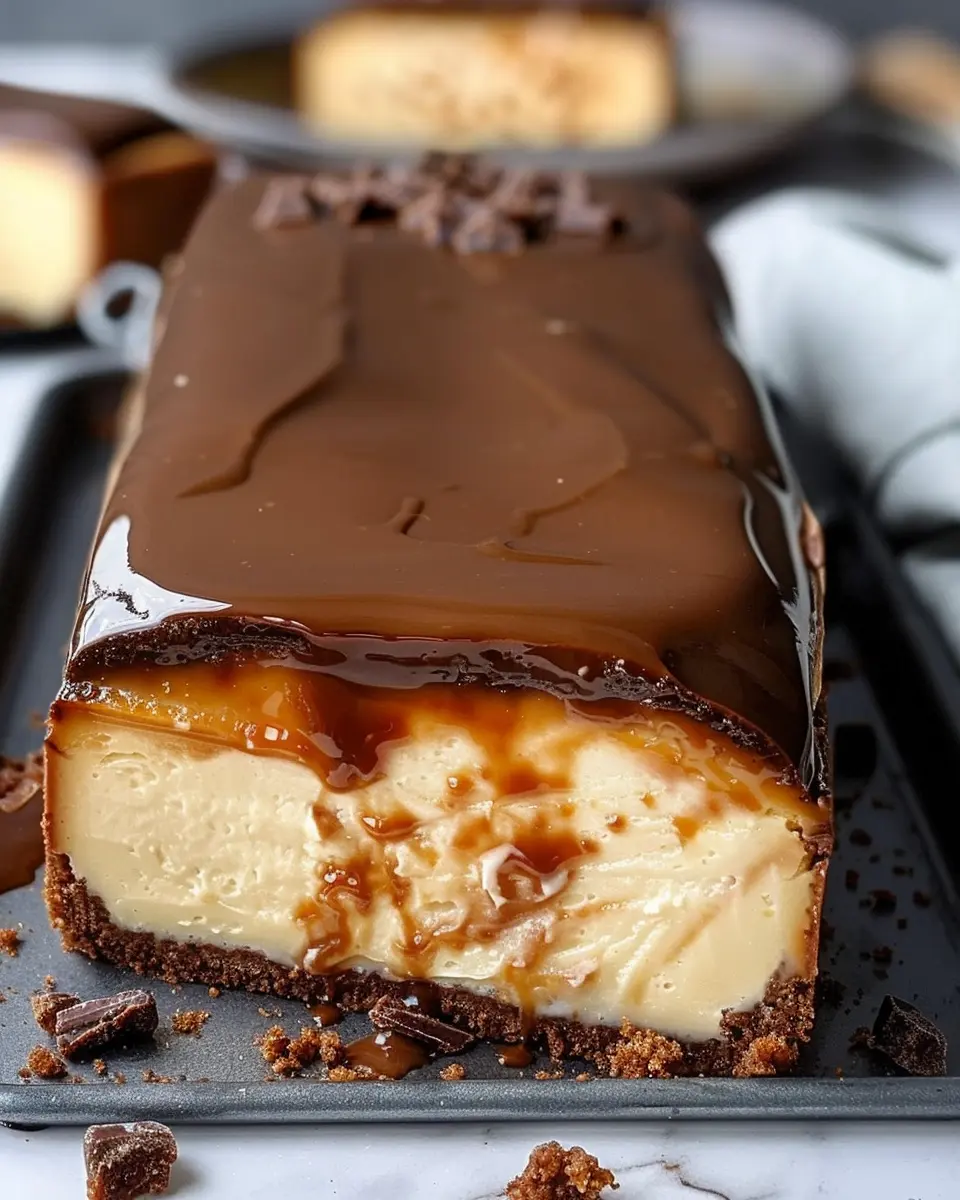
Consider drizzling a homemade fruit coulis or a rich caramel sauce over each slice. These sweet accents complement the cheesecake’s creamy profile perfectly, creating a harmonious balance.
Coffee or Tea Pairings
Enjoying your cheesecake with a cup of freshly brewed coffee or herbal tea can enhance the overall experience. The warmth of these beverages contrasts nicely with the cheesecake’s cold texture, making each bite even more satisfying.
Chill and Serve
Remember to chill your burnt basque cheesecake for at least two hours after baking. This not only improves the texture but also allows the flavors to meld beautifully.
Dare to get creative! For unique twists, consider adding a scoop of vanilla ice cream on the side or even a sprinkle of your favorite nut topping for added crunch. Happy serving!
Time Breakdown for Making Burnt Basque Cheesecake
Preparation Time
Creating your burnt basque cheesecake starts with some essential prep. You’ll want to set aside about 15 minutes to measure and mix your ingredients. This includes softening the cream cheese, measuring sugar, and whisking your eggs. Don’t rush this step—ensuring your cream cheese is at room temperature will make for a smooth batter that’s worth the extra time.
Baking Time
Next up is the baking process, which takes 35-40 minutes. You’ll want to keep an eye on it as it bakes—aim for a golden-brown top with a jiggle in the center. Right at the edge of perfection, you want that delightful burnt exterior to develop.
Cooling Time
Once out of the oven, allow your burnt basque cheesecake to cool at room temperature for about 1 hour. After that, pop it into the fridge for another 2 to 4 hours to set. This cooling period is crucial for achieving that perfect texture and flavor.
For more tips on the cheesecake-making process, check out Serious Eats for expert insights!
Nutritional Facts for Burnt Basque Cheesecake
When indulging in a slice of burnt basque cheesecake, it’s great to know what you’re savoring. Let’s dive into the nutritional facts that make this delightful dessert a treat worth enjoying—responsibly!
Calories
A single slice of this burnt basque cheesecake typically contains around 325 calories. While it’s higher on the caloric scale, the flavors are undeniably rich, making every bite feel special.
Protein
You’ll also find about 6 grams of protein in each slice. This is essential for those aiming to maintain balanced nutrition while indulging in desserts.
Sugar Content
In terms of sweetness, this cheesecake packs roughly 20 grams of sugar per slice. It’s essential to enjoy this treat mindfully, especially if you’re watching your sugar intake.
For more insights on healthy eating, the Mayo Clinic offers a wealth of information that can help guide your choices in desserts and balanced diets. So, go ahead and indulge; just remember that moderation is key!
FAQs about Burnt Basque Cheesecake
What Makes Burnt Basque Cheesecake Different?
Burnt Basque cheesecake is a delightful twist on traditional cheesecake, distinguished by its caramelized top and creamy interior. The irregular, almost rustic appearance is intentional—the high baking temperature causes the surface to char, lending a distinct flavor that’s both gooey and sophisticated. Most cheesecakes require a crust, but this one skips that step, focusing solely on rich cream cheese, eggs, sugar, and a touch of flour. If you’re craving a dessert that’s indulgent yet surprisingly simple, this is your go-to recipe!
Can I Make This Cheesecake Ahead of Time?
Absolutely! Burnt Basque cheesecake actually benefits from being made a day in advance. The flavors meld beautifully in the fridge, resulting in a richer taste and a firmer texture. Just make sure to cover it with plastic wrap. This convenience means you can enjoy it without the last-minute rush—perfect for entertaining friends or family!
How Do I Store Leftover Cheesecake?
If you find yourself with leftover cheesecake (and that’s a big if!), you can store it in the refrigerator for up to five days. Just wrap it well with plastic wrap or place it in an airtight container. You could also freeze individual slices for up to three months for a tasty treat anytime the craving hits.
Curious about serving ideas? Why not pair it with fresh berries or a dollop of whipped cream? For more tips on cheesecake storage, I recommend checking out The Kitchn’s guide to storing desserts. This decadent dessert is sure to impress, whether enjoyed alone or shared with loved ones!
Conclusion on Burnt Basque Cheesecake
When it comes to a memorable dessert, burnt basque cheesecake is a showstopper. The combination of its creamy texture and slightly charred exterior creates a delightful contrast that’s hard to resist. It’s no wonder this recipe has gained a following among dessert enthusiasts.
By using a loaf pan, you can easily adapt this traditional dish to suit your needs—perfect for smaller gatherings or to have on hand for those sweet cravings. Remember, the key is to embrace the imperfections; that’s what makes this cheesecake so unique! So, gather your ingredients, and enjoy this indulgent treat with friends or family.
For further inspiration, check out Bon Appétit’s take on Basque desserts or explore BBC Good Food for similar recipes.
PrintBurnt Basque Cheesecake in a Loaf Pan: Easy and Delicious Twist
Learn how to make a delicious Burnt Basque Cheesecake in a loaf pan for an easy twist on the classic dessert!
- Prep Time: 15 minutes
- Cook Time: 30 minutes
- Total Time: 45 minutes
- Yield: 8 servings
- Category: Dessert
- Method: Baking
- Cuisine: Spanish
- Diet: Vegetarian
Ingredients
- 500 grams cream cheese
- 200 grams sugar
- 3 large eggs
- 1 teaspoon vanilla extract
- 100 milliliters heavy cream
- 1 tablespoon all-purpose flour
Instructions
- Preheat your oven to 220°C (428°F).
- In a mixing bowl, beat the cream cheese until smooth.
- Add sugar and mix until well combined.
- Incorporate the eggs one at a time, mixing well after each addition.
- Stir in the vanilla extract and heavy cream.
- Finally, add the flour and mix gently until just combined.
- Pour the batter into a lined loaf pan and smooth the top.
- Bake for about 25-30 minutes until the top is dark brown.
- Let it cool before refrigerating for a few hours before serving.
Notes
- For added flavor, you can sprinkle some sea salt on top before serving.
- Serve with fresh berries for a lovely touch.
Nutrition
- Serving Size: 1 slice
- Calories: 350
- Sugar: 25 grams
- Sodium: 200 milligrams
- Fat: 30 grams
- Saturated Fat: 18 grams
- Unsaturated Fat: 8 grams
- Trans Fat: 0 grams
- Carbohydrates: 18 grams
- Fiber: 0 grams
- Protein: 6 grams
- Cholesterol: 150 milligrams