Introduction to German Pancakes
When you think about weekend breakfasts, what comes to mind? Perhaps a leisurely morning filled with the delightful aroma of something sweet and fluffy wafting through your kitchen? Enter German pancakes—a dish that transforms any ordinary Saturday or Sunday into a special occasion.
Why are German Pancakes a Perfect Weekend Treat?
German pancakes, also known as Dutch babies, are the ultimate choice for those lazy weekend mornings. Why? For starters, they are incredibly easy to make. With just a handful of ingredients—eggs, flour, milk, and a pinch of salt—you can whip up a batch in no time. It’s a perfect opportunity to involve your partner or friends, adding a touch of fun to the cooking process.
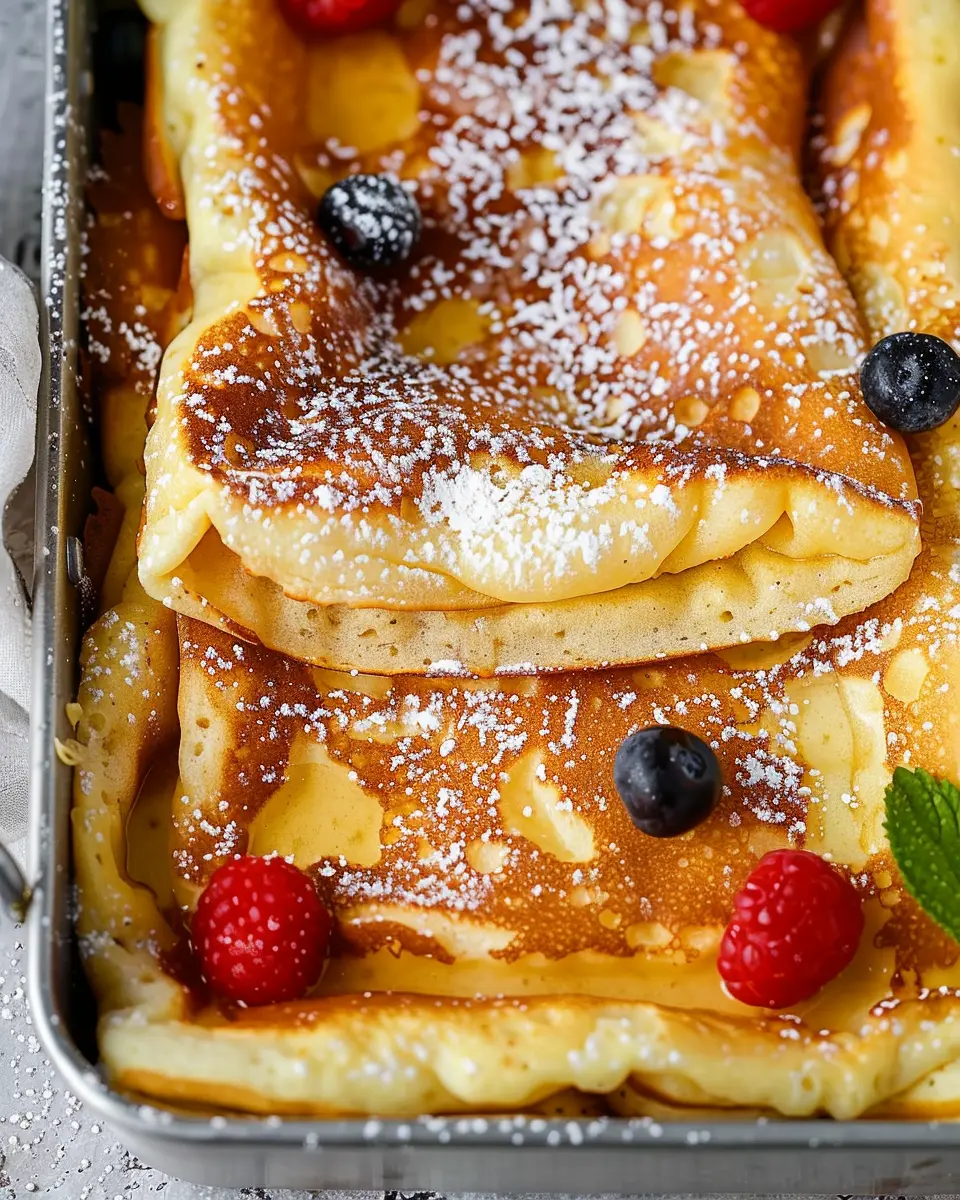
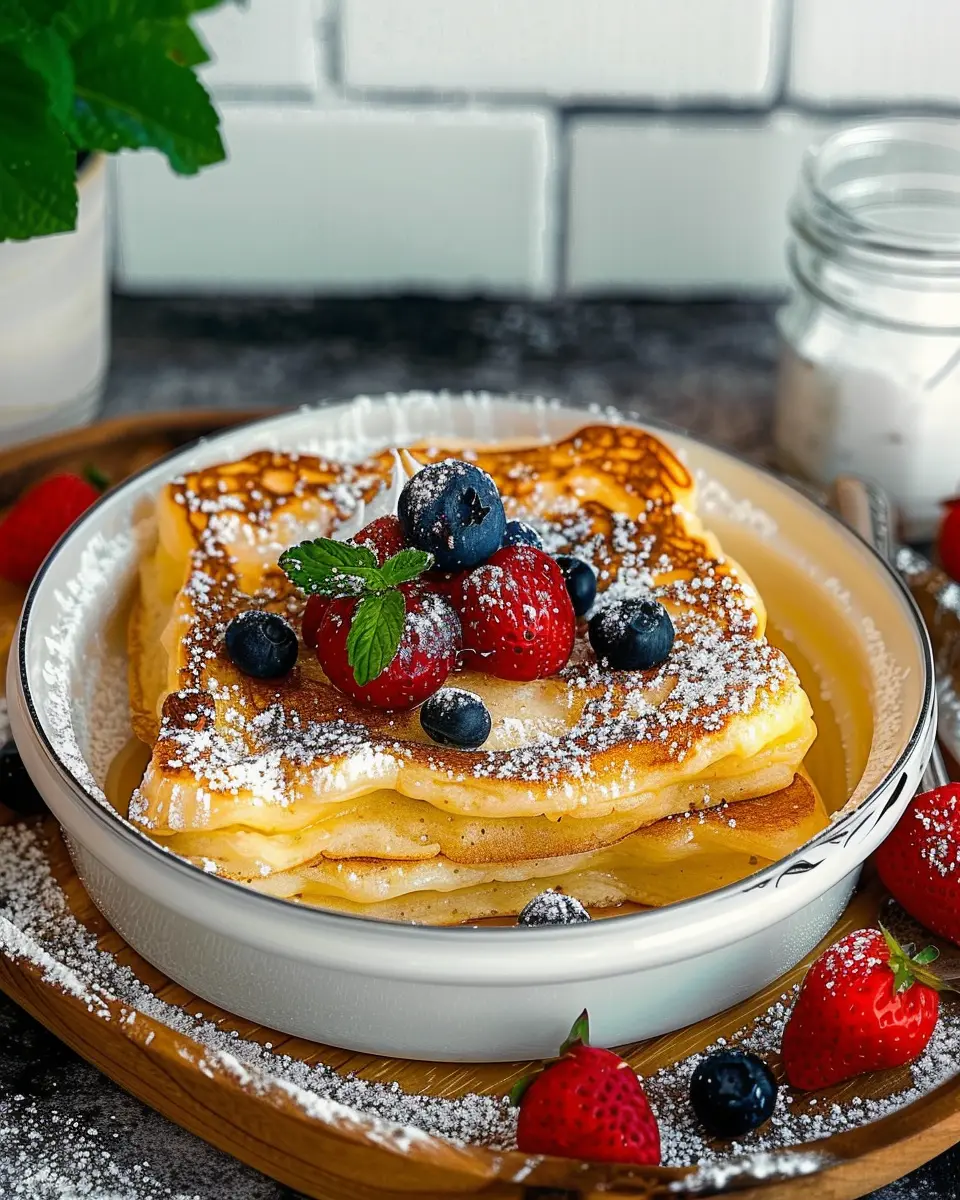
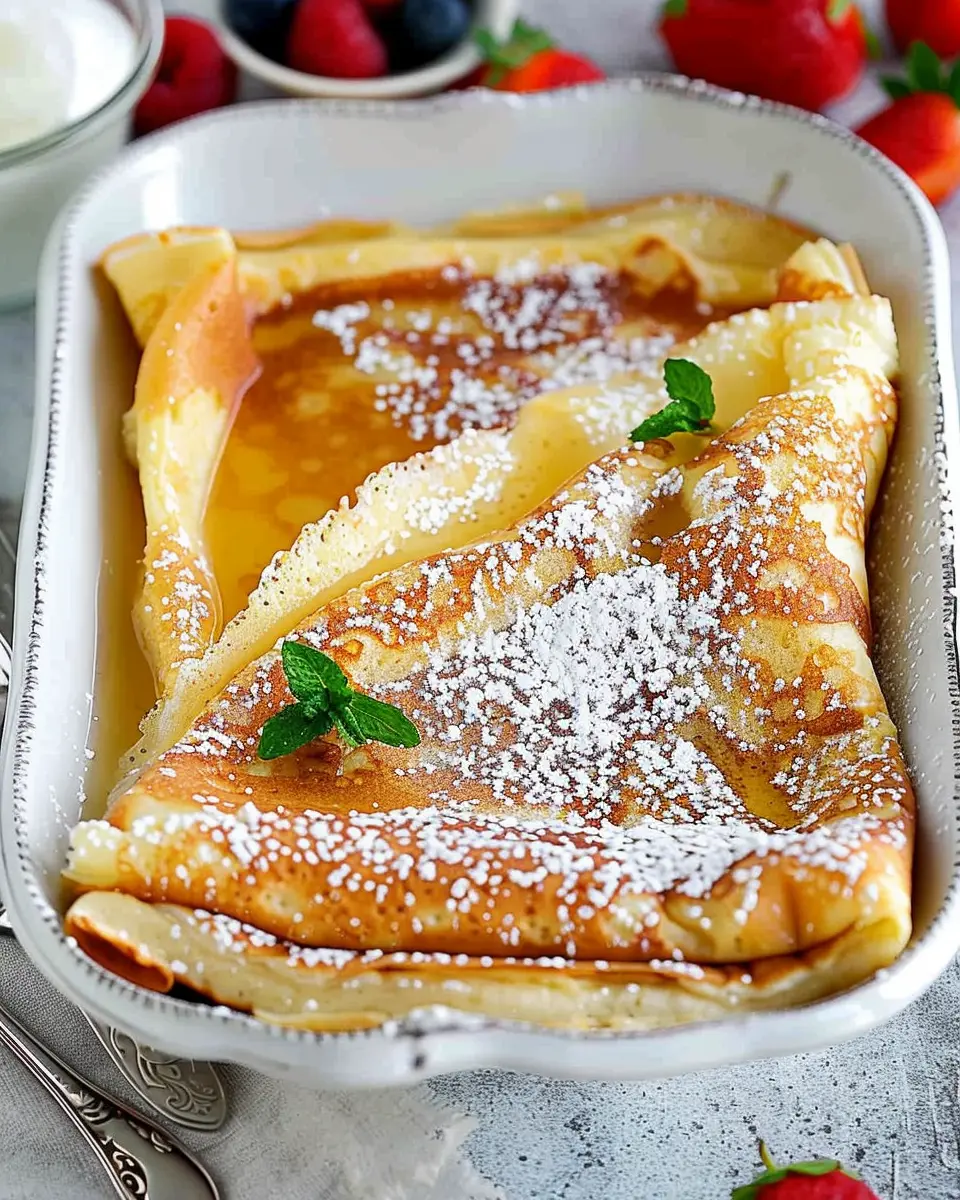
One of the best things about these pancakes is their fluffy texture and impressive presentation. When baked, they puff up dramatically, creating a beautiful golden landscape that begs to be adorned with toppings like fresh fruit, whipped cream, or a drizzle of maple syrup. Imagine serving these to your brunch guests and witnessing their delighted expressions as they dig into a slice of this visually stunning dish.
Not only do they look fantastic, but they also feel like a warm hug! You can customize your German pancakes with savory options such as Turkey bacon or Chicken ham, adding a delicious touch that will satisfy both sweet and savory lovers alike. You can also pair them with a fresh fruit compote for a bright and refreshing finish—ideal for warm summer mornings.
For those who prefer a lighter drink to accompany their meal, consider serving fresh juices or herbal teas. These options not only complement the flavors of German pancakes but also keep your breakfast feel balanced and refreshing.
So, next Saturday, why not treat yourself to these light, airy delights? Not only will they elevate your brunch game, but you’ll have the opportunity to explore all the various toppings and flavors that make them your new favorite breakfast dish. If you’re interested in making this dish, be sure to check reliable sources like Bon Appétit for tips on perfecting the recipe.
Weekend mornings deserve something special, and German pancakes fit the bill perfectly! Happy cooking!
Ingredients for German Pancakes
When it comes to making german pancakes, having the right ingredients is essential for that fluffy, delightful texture. Here’s what you’ll need to whip up this breakfast classic.
Essential ingredients you’ll need
- Eggs: The foundation of any good pancake, eggs help create that airy structure. You’ll need about four large eggs.
- Flour: All-purpose flour works best, providing the perfect amount of density—just one cup will do.
- Milk: Whole milk adds richness; opt for a cup to make your pancakes wonderfully creamy.
- Butter: Melted butter not only adds flavor but also prevents sticking. You’ll need about 1/2 cup.
- Vanilla Extract: A splash of vanilla (about a teaspoon) will enhance the sweet flavor of your german pancakes.
- Sugar: Just a touch, around two tablespoons, helps balance the flavors.
- Salt: A pinch of salt elevates all the other ingredients.
With these basics in your pantry, you’re just a step away from serving up deliciousness! For some flavorful toppings, consider adding sautéed fruits or drizzling maple syrup.
Need guidance on cooking techniques? Check out this detailed discussion on pancake methods at Serious Eats.
Preparing German Pancakes
Making German pancakes is a delightful experience that can elevate your weekend breakfast or brunch into something special. With their fluffy texture and delightful flavor, they lend themselves to a variety of toppings, from fresh fruit to sweet syrup. Let’s dig into the step-by-step process to craft these mouthwatering treats!
Gather your ingredients
Before you start, it’s essential to have everything you need on hand. The list below will make sure you’re set up for success:
- 6 large eggs
- 1 cup milk (whole milk for richness)
- 1 cup all-purpose flour
- 1/4 teaspoon salt
- 1 teaspoon vanilla extract
- 1/2 cup unsalted butter (that’s a whole stick!)
- Optional toppings: powdered sugar, fresh fruit, turkey bacon, or chicken ham
Gathering your ingredients before diving in ensures a smooth cooking experience, so consider it the foundation of your pancake-making skills. If you’re interested in learning about the nutritional benefits of each ingredient, check out Healthline for more insight.
Preheat the oven and melt the butter
Getting your oven ready is crucial for achieving those iconic puffy edges. Preheat your oven to 425°F (220°C). While that’s warming up, place a heavy, oven-safe skillet (like cast iron or stainless steel) on the stove over medium heat and add your 1/2 cup of butter. Allow it to melt slowly, swirling it around to coat the bottom of the pan. The key here is to let the butter get slightly bubbly but not burnt.
Pro tip: If you’re using a non-stick skillet, make sure it’s truly oven-safe, or consider transferring to one that is, to avoid any kitchen mishaps!
Mix the dry ingredients
In a medium-sized mixing bowl, add your all-purpose flour and salt. Give it a quick whisk to blend those dry ingredients evenly. This will help eliminate lumps when you mix in the wet ingredients later. It sounds simple, but a little prep work can go a long way in achieving that perfect airy batter!
Did you know that the combination of flour and eggs is what creates that iconic German pancake puff? The eggs provide the lift, while the flour binds everything together. If you’re curious about the science of cooking, you might enjoy reading up on food chemistry.
Whisk in the wet ingredients
Now for the fun part! In the same bowl (yes, we’re keeping it easy), crack the 6 eggs and whisk those in until they are fully incorporated. Then pour in the milk and vanilla extract. Whisk everything together until the mixture becomes smooth, and you no longer see any flour lumps. This batter will be quite thin, which is perfectly normal—your pancakes will puff up in the oven!
Bake the German pancake to perfection
Once your oven has reached the desired temperature, carefully pour the batter into your hot, butter-coated skillet. You should hear a lovely sizzle! Bake your German pancake for about 20 to 25 minutes, or until it’s puffed up and golden brown around the edges.
Resist the temptation to open the oven door during baking, as the sudden drop in temperature can hinder that glorious puffing action. When the pancakes are done, they will be airy and slightly unstable in the middle—this is exactly what you want!
Serve your German pancakes immediately, topped with a dusting of powdered sugar, fresh fruit, or even crispy turkey bacon or chicken ham on the side. Enjoy your delicious creation and don’t forget to snap a pic to share with friends!
Now that you’re armed with these steps, you’re ready to impress at your next brunch gathering! Happy cooking!
Variations on German Pancakes
German pancakes are such a versatile dish; they can easily adapt to a variety of flavors. Whether you’re in the mood for something sweet or savory, there’s a delicious variation just for you!
Sweet Variations: Berry and Cream
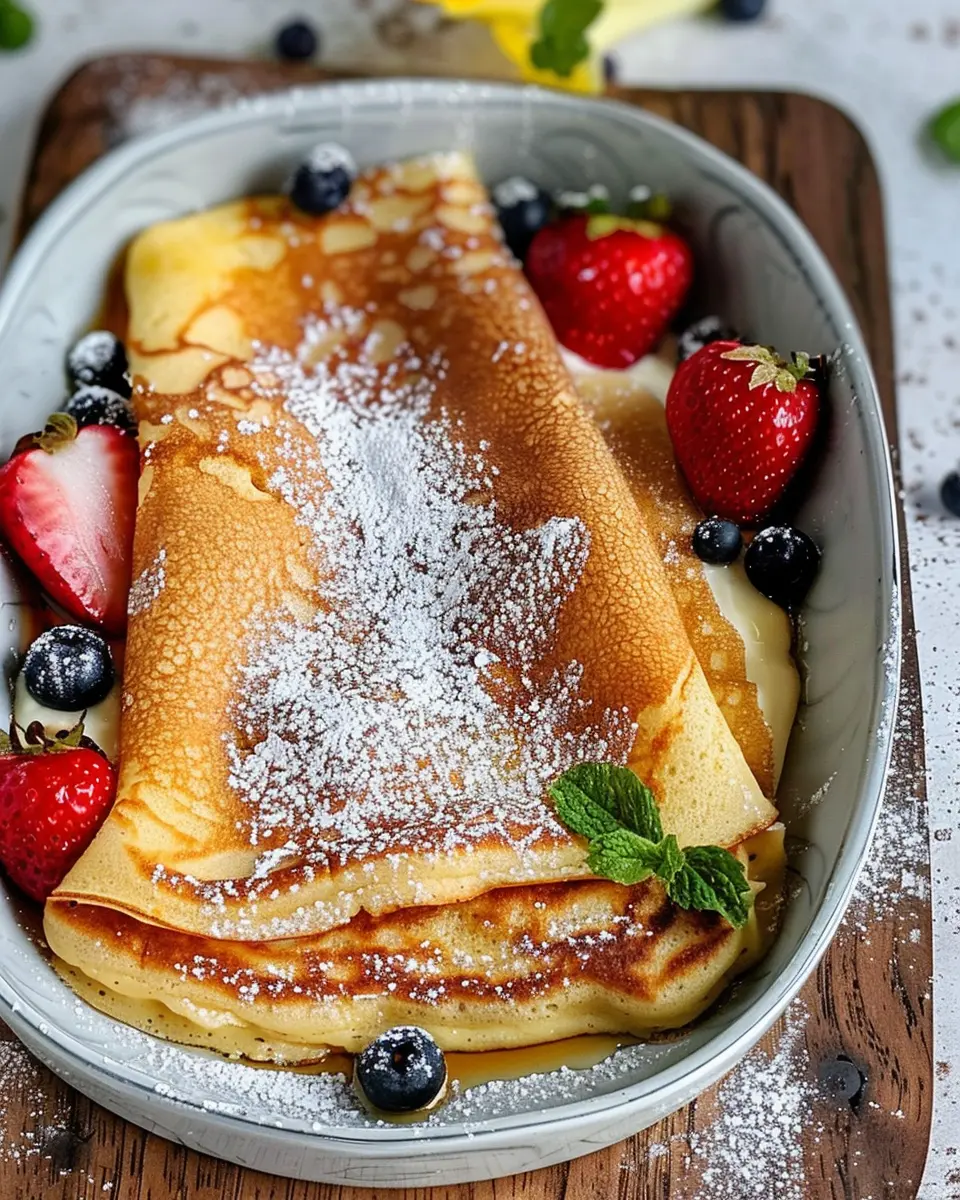
If you’ve got a sweet tooth, consider topping your German pancakes with a medley of fresh berries. Strawberries, blueberries, and raspberries offer a delightful burst of flavor. Simply toss them in a bit of sugar to draw out their natural juices. Drizzle the finished pancake stack with whipped cream or a creamy yogurt for an indulgent touch. Not only does this add richness, but it also provides a colorful presentation that’s great for sharing (or perhaps Instagramming!).
You can take it up a notch by using a homemade berry compote. Just simmer your berries with a bit of water and sugar until they thicken. It’s a simple way to elevate your breakfast. For more ideas on berry toppings, check out BerryGlobal’s guide.
Savory Options: Spinach and Cheese
On the savory side, consider filling your German pancakes with spinach and cheese for a delightful twist. Sauté fresh spinach in a little olive oil, and then fold it into the pancake along with some shredded cheese, like a flavorful cheddar or creamy Swiss. The combination of the melted cheese and tender spinach creates a mouthwatering dish perfect for brunch or a light dinner.
For a protein boost, you might also add some shredded chicken ham or turkey bacon on the side. These savory variations can be just as satisfying as their sweet counterparts, making German pancakes a fantastic choice any time of day! Don’t forget to check out Healthline’s article on spinach for more ideas on incorporating greens into your meals.
So, are you feeling inspired? With these variations, German pancakes can be a meal you’ll love to savor every single time!
Cooking notes for German Pancakes
Tips for achieving fluffiness
To create those light and airy German pancakes you dream about, it’s crucial to start with room temperature ingredients. Warm eggs and milk help the mixture blend seamlessly, leading to a fluffier texture. Don’t skip preheating the oven; a hot skillet will give your pancakes that vital initial rise. Another tip: blend the batter just until combined. Overmixing can lead to density rather than fluffiness!
Common mistakes to avoid
One common pitfall is opening the oven too soon; this can deflate your German pancakes. Give them time to puff up beautifully! Also, be sure to use a sufficient amount of butter in your skillet. Without it, you risk sticking, which can ruin the pancake’s appearance and texture. Lastly, try not to overcrowd the pan if you decide to make multiple batches. For more kitchen wisdom, consider checking out sources like Serious Eats.
With these tips in hand, you’re on your way to mastering the art of German pancakes that are irresistibly fluffy!
Serving suggestions for German Pancakes
When it comes to enjoying German pancakes, the right toppings can make all the difference, elevating your breakfast to a gourmet experience. Let’s dive into some delightful serving suggestions!
Classic toppings: Confectioner’s sugar and syrup
For a timeless choice, sprinkle a light dusting of confectioner’s sugar over your warm German pancakes, allowing its sweetness to perfectly complement their airy texture. Drizzling warm maple or agave syrup on top adds a rich, luxurious flavor that simply cannot be beaten. These simple yet effective toppings are often crowd-pleasers, making them great for brunch gatherings or a cozy weekend breakfast at home.
Unique toppings: Nut butters and fresh fruits
If you’re feeling more adventurous, try spreading your German pancakes with almond or peanut butter for a nutty twist. Pairing these with a medley of fresh fruits, like sliced bananas, berries, or even caramelized apples, offers a burst of flavor and texture. Consider a dollop of Greek yogurt on the side to add creaminess and protein. These unique toppings not only enhance the taste but also turn your breakfast into a health-conscious option!
Experimenting with combinations can be a fun way to discover your favorite flavors! For more ideas, check out this guide on pancake toppings.
Time breakdown for German Pancakes
Preparation time
Getting started with your German pancakes is a breeze! You’ll need about 10 minutes to whip up the batter. Gather your ingredients, mix everything together, and you’ll have a smooth, lump-free mixture in no time.
Baking time
Once the batter is ready, it’s time to bake your German pancakes. This will take approximately 20 minutes. While they’re in the oven, you can set the table or prepare your favorite toppings.
Total time
In just 30 minutes, you’ll have deliciously fluffy German pancakes ready to serve! This quick and easy recipe is perfect for busy mornings or a cozy brunch with friends. If you’d like to dive deeper into the world of pancake variations, check out some additional pancake recipes here, or consider exploring the nutritional benefits of different toppings here.
Nutritional Information for German Pancakes
When you’re preparing to indulge in those delightful German pancakes, understanding their nutritional profile can be quite beneficial, especially for the health-conscious food lover.
Calories
A standard serving of German pancakes typically packs around 170-200 calories. While they can be quite rich, these fluffy delights can be enjoyed without guilt when portioned appropriately.
Protein
One of the perks of German pancakes is the protein content, which generally hovers between 6-8 grams per serving. The eggs and milk used in the batter contribute to this, making them a decent choice for those looking to incorporate more protein into their breakfast.
Carbohydrates
In terms of carbohydrates, you can expect about 20-25 grams per serving of German pancakes. Pairing them with fresh fruits or a scoop of yogurt can help balance the meal and add some fiber, enhancing your overall nutrition for the day.
For more in-depth nutritional guidance, check out resources from the USDA or articles on Healthline.
Embracing a delicious meal doesn’t have to mean sacrificing your health goals; knowing the numbers helps you navigate your choices while enjoying the fluffy goodness of German pancakes!
FAQs about German Pancakes
Can I make German pancakes ahead of time?
Absolutely! One of the great things about German pancakes is that they can be prepared in advance. Simply whip up the batter, pour it into your baking dish, and refrigerate it for a few hours. When ready to serve, let the batter sit at room temperature for about 30 minutes and then bake as usual. You can also bake them ahead of time and reheat them in the oven at a low temperature or in the microwave.
What’s the difference between German pancakes and traditional pancakes?
You might be wondering what sets German pancakes apart from their traditional counterparts. The key difference lies in the cooking method and ingredients:
- Cooking Technique: German pancakes are usually baked in the oven, resulting in a puffy, custardy texture, while traditional pancakes are cooked on a stovetop griddle and tend to be flat and fluffy.
- Ingredients: They contain a higher ratio of eggs and often have milk and flour mixed in differently, leading to that signature puffiness.
If you’re curious about the science behind this, you can check out articles from sources like Serious Eats for deeper insights.
How do I store leftovers?
If you find you have some German pancakes left over (though it’s rare!), storing them is easy:
- Refrigerate: Place the pancakes in an airtight container and store them in the fridge for up to three days.
- Freeze: For longer storage, freeze individual slices between parchment paper. Just pop them into an airtight bag or container. They can last for about two months in the freezer.
When you’re ready to enjoy them again, simply reheat in the oven or microwave. Your breakfast just got easier!
Conclusion on German Pancakes
German pancakes are not just a delicious breakfast; they’re a canvas for your culinary creativity. So why not dive into some playful experimentation? Try adding fresh fruits like bananas or berries, or even a drizzle of maple syrup or chocolate sauce for that sweet touch. You could also think about savory variations with chicken ham or turkey bacon for brunch.
With their delightful puff and airy texture, these pancakes are perfect for impressing friends or a cozy family breakfast. Don’t hesitate to explore different toppings and flavors—customizing German pancakes is half the fun! For more tips on breakfast ideas, check out Serious Eats. Enjoy your cooking adventure!
PrintGerman Pancakes: The Best Fluffy Twist with Turkey Bacon
Indulge in the deliciousness of German pancakes, a fluffy twist perfect for breakfast. Paired with savory turkey bacon, this recipe is sure to impress.
- Prep Time: 10 minutes
- Cook Time: 20 minutes
- Total Time: 30 minutes
- Yield: 4 servings
- Category: Breakfast
- Method: Baking
- Cuisine: German
- Diet: Gluten-Free
Ingredients
- 6 large eggs
- 1 cup milk
- 1 cup all-purpose flour
- 1/4 teaspoon salt
- 1/4 cup unsalted butter
- 1/2 teaspoon vanilla extract
- 8 slices turkey bacon
Instructions
- Preheat your oven to 425°F (220°C).
- In a mixing bowl, whisk together eggs, milk, flour, salt, and vanilla extract until smooth.
- In a cast-iron skillet, melt the butter over medium heat.
- Pour the batter into the skillet and bake for 20 minutes or until puffed and golden brown.
- While the pancakes are baking, cook turkey bacon in a separate skillet until crispy.
- Remove the pancakes from the oven, serve with turkey bacon on top, and enjoy!
Notes
- For extra flavor, add cinnamon to the batter.
- Serve with fresh fruit or syrup for added sweetness.
Nutrition
- Serving Size: 1 pancake
- Calories: 200
- Sugar: 2g
- Sodium: 400mg
- Fat: 10g
- Saturated Fat: 4g
- Unsaturated Fat: 3g
- Trans Fat: 0g
- Carbohydrates: 20g
- Fiber: 1g
- Protein: 8g
- Cholesterol: 150mg