Introduction to Simple Hibachi Vegetables
When we think of hibachi cooking, our minds often drift to sizzling meats and umami-rich sauces. But let’s not sleep on the simple hibachi vegetables! These vibrant, crunchy offerings can elevate your meal and add fantastic flavor and nutrition to the table. Whether you’re enjoying a cozy night in or entertaining friends, hibachi vegetables are a must-try.
What Are Hibachi Vegetables and Why Are They a Must-Try?
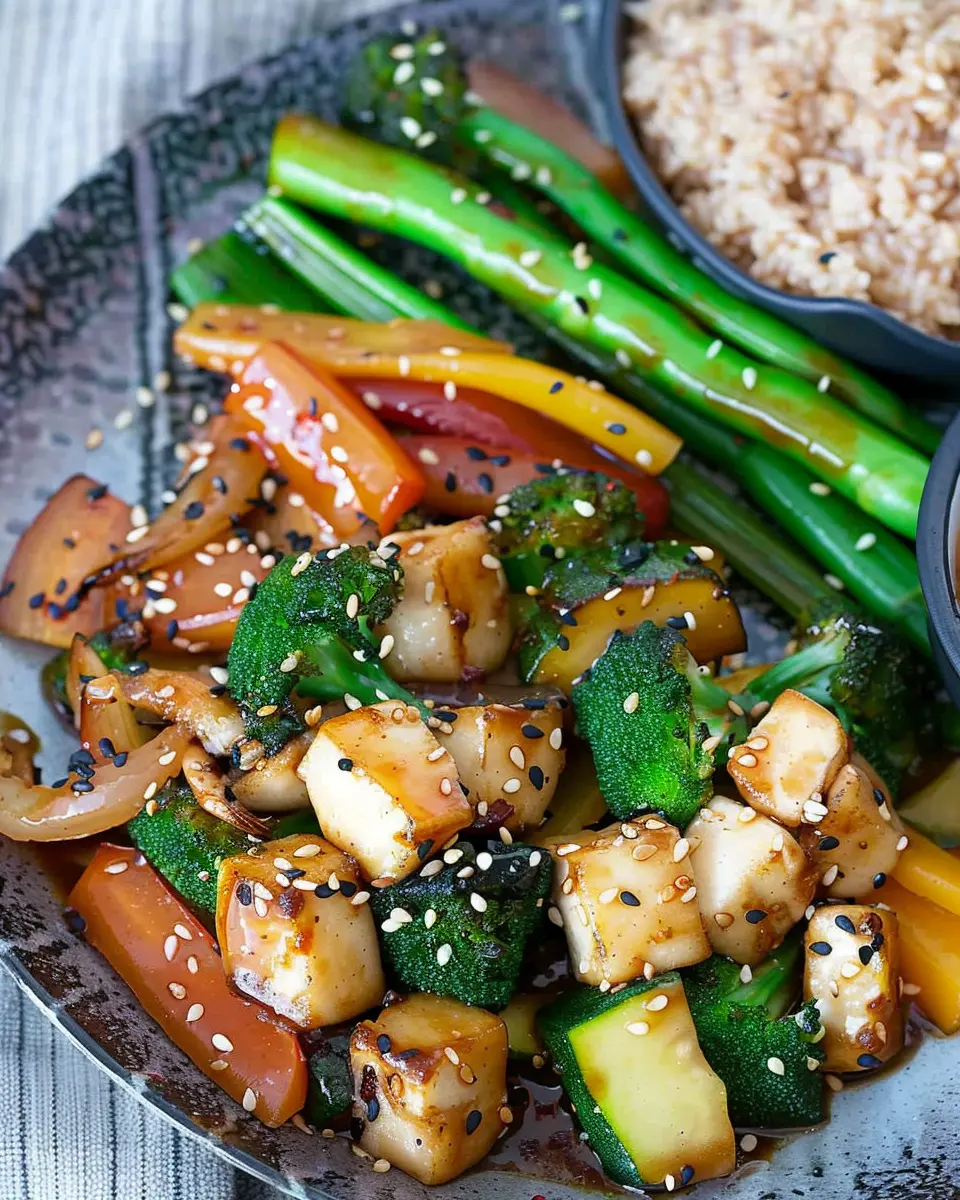
Hibachi vegetables typically include a variety of seasonal produce like zucchini, bell peppers, mushrooms, and onions, seared quickly on a hot grill or skillet. This cooking method maintains their crispness and enhances their natural sweetness, creating a delightful contrast to the smoky flavor from the grill. Curious about how they stack up nutritionally? According to the USDA, vegetables are essential for a balanced diet, providing vitamins, minerals, and fiber—making hibachi veggies not only a delicious choice but also a smart one.
You might wonder, what makes these simple hibachi vegetables worth the effort? Here are a few reasons:
- Flavor Explosion: With a dash of soy sauce and a sprinkle of garlic, hibachi vegetables turn into a taste sensation that dances on your palate.
- Versatility: You can easily customize this dish based on your preferences or what you have on hand. Consider adding snap peas or asparagus for an extra crunch!
- Quick and Easy: Perfect for busy weeknights, the entire dish can be whipped up in less than 20 minutes.
Incorporating these vegetables not only boosts the health quotient of your meal but also adds a beautiful splash of color to your plate. Plus, who doesn’t love a bit of home-cooked hibachi magic?
If you’re intrigued, check out this Nutritional Guide for more on the benefits of including veggies in your diet. Ready to unleash your inner hibachi chef? Let’s dive into the recipe for simple hibachi vegetables that will leave you wanting more!
Ingredients for Simple Hibachi Vegetables
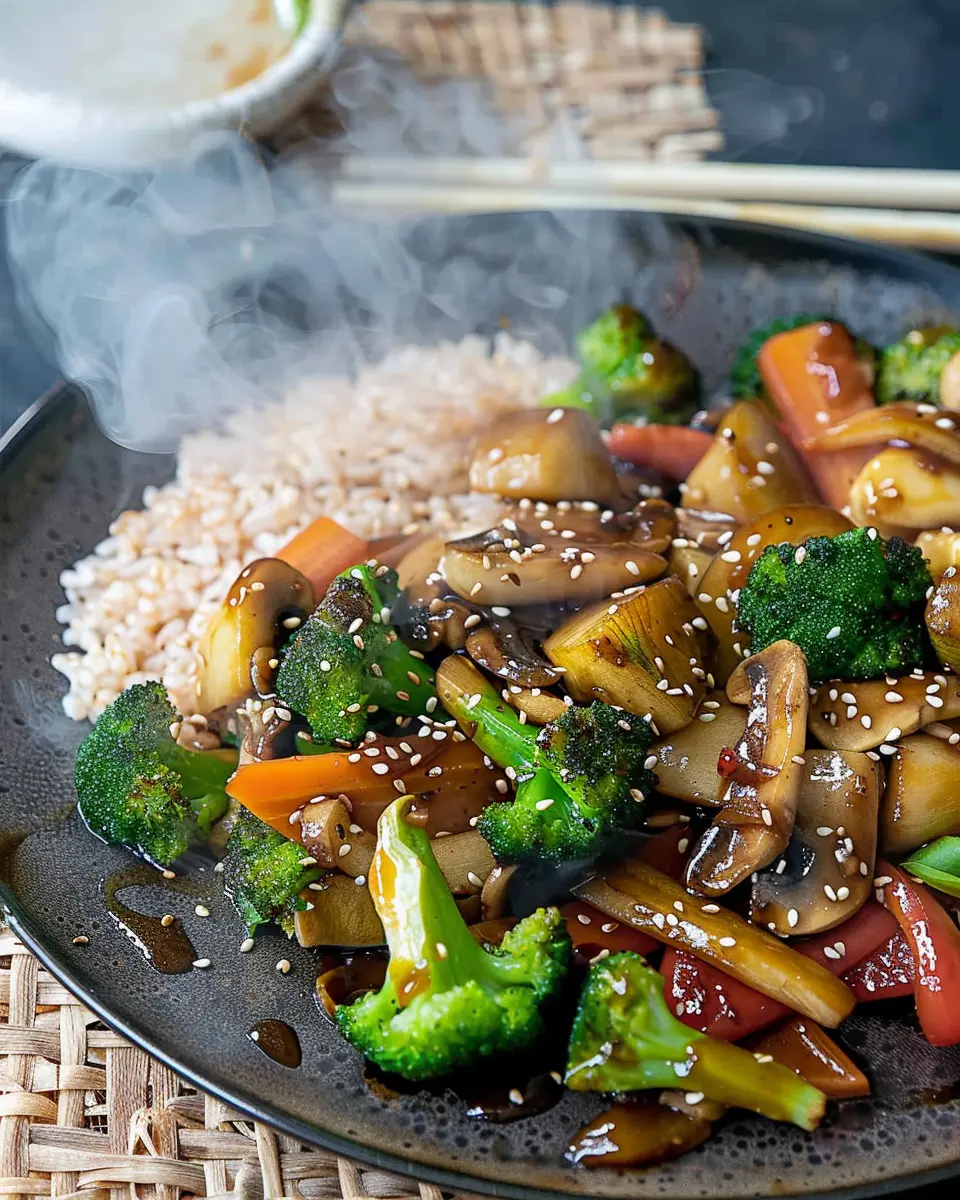
If you’re looking to whip up some simple hibachi vegetables, you’ll want to gather a few fresh produce staples that can elevate your meal. Think about using:
- Bell Peppers: Red, yellow, or green for a splash of color and sweetness.
- Zucchini: Adds a tender crunch and absorbs flavors beautifully.
- Broccoli: Packed with vitamins, it’s a must for that classic hibachi vibe.
- Onions: Sweet or yellow varieties work well for a touch of savoriness.
- Carrots: Thinly sliced or julienned, they add a nice, subtle sweetness.
Now, to achieve that authentic hibachi flair, don’t forget the essential cooking oils and seasonings:
- Sesame Oil: Adds a nutty depth that’s hard to resist—perfect for marinating your veggies.
- Soy Sauce: A pantry staple that brings umami richness and is great for seasoning on the fly.
- Garlic and Ginger: Freshly minced for a punchy kick; they brighten up your dish instantly!
For more tips on cooking vegetables perfectly, check out this expert guide.
Preparing Simple Hibachi Vegetables
Cooking should be fun, straightforward, and delicious—especially when it comes to simple hibachi vegetables. Here’s a step-by-step guide to making this dish at home, perfect for those cozy nights in or impressing friends at your next gathering. Let’s jump right into it!
Gather and prepare your ingredients
Before you start cooking, it’s essential to gather all your ingredients. This step will save you time and keep your workspace organized. You’ll need:
- Fresh vegetables like zucchini, bell peppers, broccoli, and onions
- A neutral oil like canola or vegetable oil (which has a high smoke point)
- Soy sauce or a gluten-free alternative for seasoning
- Optional: garlic and fresh ginger for additional flavor
- A garnish of sesame seeds or chopped green onions for presentation
Ensure your vegetables are washed and dried before you cut them. If you’re not sure about the best veggies for hibachi, you can explore more about hibachi flavors here.
Mastering the chopping technique for perfect vegetables
Chopping can feel daunting, but it’s all about practice. For simple hibachi vegetables, you’ll want to cut your veggies into uniform pieces—this ensures they cook evenly. Here’s a quick method to get you started:
- For zucchini, slice it into half-moons about ½ inch thick.
- Chop bell peppers into bite-sized squares for a colorful pop.
- Slice onions into thin wedges to enhance their natural sweetness.
Why not put on your favorite cooking playlist while you cut? It makes the process much more enjoyable!
Heat your sauté pan or wok properly
The right heat level is critical in hibachi cooking. A hot pan guarantees that your veggies get that lovely charred flavor while keeping them crispy. Preheat your sauté pan or wok over medium-high heat for about 3-5 minutes.
Add a splash of oil when it’s hot (you’ll know it’s ready when the oil starts to shimmer). This will help prevent sticking and create that delightful sear that hibachi cooking is famous for.
Cooking the onion to unlock flavors
Start with the onions as they take a little longer to cook down and release their flavors. Add them to the hot pan first. Stir them frequently for about 2–3 minutes until they begin to soften and turn translucent.
This not only brings out their natural sweetness but also enhances the overall flavor of your simple hibachi vegetables. To amp up the flavor, consider tossing in minced garlic or freshly grated ginger at this stage—both are known for elevating any dish’s taste!
Achieving the right texture for zucchini
Next, it’s time for the zucchini. You want them to retain their crunch while also being tender. Add your zucchini to the pan after the onions have softened, and stir-fry for about 2-3 minutes.
Watch closely! Zucchini cooks quickly, and overcooking can lead to mushy vegetables—something we definitely want to avoid. Keep stirring to ensure even cooking, and don’t be afraid to adjust the heat if necessary.
Adding seasoning for the perfect finish
Finally, it’s time for the magic touch: the seasoning! Drizzle soy sauce (or your chosen alternative) over your simple hibachi vegetables towards the end of cooking, about 1 minute before removing them from heat.
This allows the sauce to caramelize slightly, adding a rich flavor to the dish. If you prefer a touch of sweetness, consider adding a splash of honey or maple syrup for that extra depth.
A sprinkle of sesame seeds or chopped green onions right before serving not only garnishes your dish but also adds an aromatic touch that will impress anyone at your table!
Now you’re all set to craft your simple hibachi vegetables! This dish can easily be paired with rice or quinoa for a complete meal, or enjoyed as a side alongside your favorite protein. Happy cooking!
Variations on Simple Hibachi Vegetables
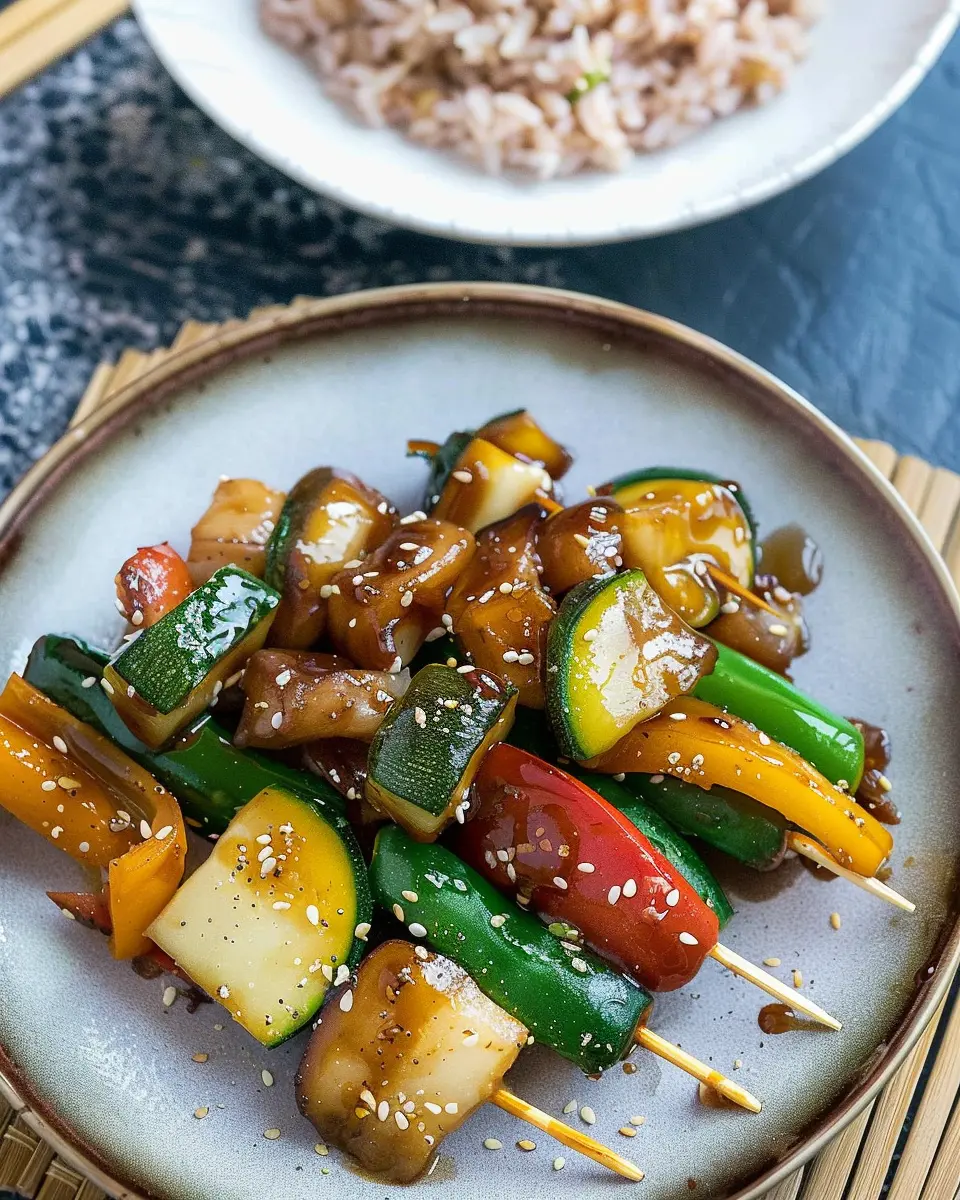
When it comes to simple hibachi vegetables, the fun doesn’t have to end after the basic recipe. With a few creative add-ins and alternative vegetable combinations, you can elevate your dish to new heights.
Add-ins for Extra Flavor and Nutrition
Want to kick things up a notch? Consider these tasty add-ins:
- Garlic and Ginger: Freshly minced garlic and a touch of ginger add incredible depth.
- Sesame Oil: Drizzling a bit of toasted sesame oil before serving adds a nutty flavor that’s hard to resist.
- Protein Boost: Throw in some diced turkey bacon or chicken ham for an extra protein punch. Not only will this add heartiness, but it complements the sautéed veggies beautifully.
- Seeds and Nuts: Try sprinkling sesame seeds or crushed almonds for crunch and additional nutrients.
These ingredients not only enhance the dish but also provide an excellent source of vitamins and minerals. You can learn more about the health benefits of garlic and ginger from reputable sources like Healthline.
Alternative Vegetable Combinations
While your go-to hibachi vegetables like zucchini and bell peppers are fantastic, experimenting with different combinations can keep your meals exciting. Here are some suggestions:
- Broccoli and Cauliflower: Their textures contribute a satisfying chew that pairs well with the umami flavors in hibachi.
- Mushrooms and Asparagus: Savory mushrooms and tender asparagus spears offer a gourmet touch.
- Snow Peas and Carrots: This combo provides a nice crunch and visual appeal to your dish.
- Brussels Sprouts: Quartering Brussels and sautéing them on high heat results in an incredible caramelized flavor.
So next time you’re preparing simple hibachi vegetables, try mixing things up! These variations will not only please the palate but also keep your meals nutritious and colorful. Happy cooking!
Cooking tips and notes for Simple Hibachi Vegetables
Common mistakes to avoid
When preparing your simple hibachi vegetables, it’s easy to overlook a few key details that can elevate your dish. Here are some common pitfalls:
- Overcrowding the pan: If you pile too many vegetables in your skillet, they will steam instead of achieving that delightful stir-fry sear. Cook in batches for optimum flavor.
- Wrong size of ingredients: Ensure your veggies are cut into similar sizes. This allows for even cooking and enhances the dish’s overall presentation.
- Neglecting seasoning: Don’t underestimate the power of flavor! A pinch of salt or a splash of soy sauce can make all the difference. Explore different seasonings, like garlic powder or sesame oil.
Storing your leftovers for future meals
Leftover simple hibachi vegetables are a meal-prepping dream! To store them properly:
- Let the veggies cool completely before placing them in an airtight container.
- They can last in the fridge for 3 to 5 days, perfect for adding to salads or as a side dish.
- For longer storage, consider freezing them. Just blanch your vegetables first to retain their flavor and texture.
By avoiding these common mistakes and properly storing your leftovers, you can transform a simple dish into a deliciously versatile staple! If you’re looking for more cooking tips, this guide on food storage offers valuable insights.
Serving Suggestions for Simple Hibachi Vegetables
Pairing with Hibachi Fried Rice and Proteins
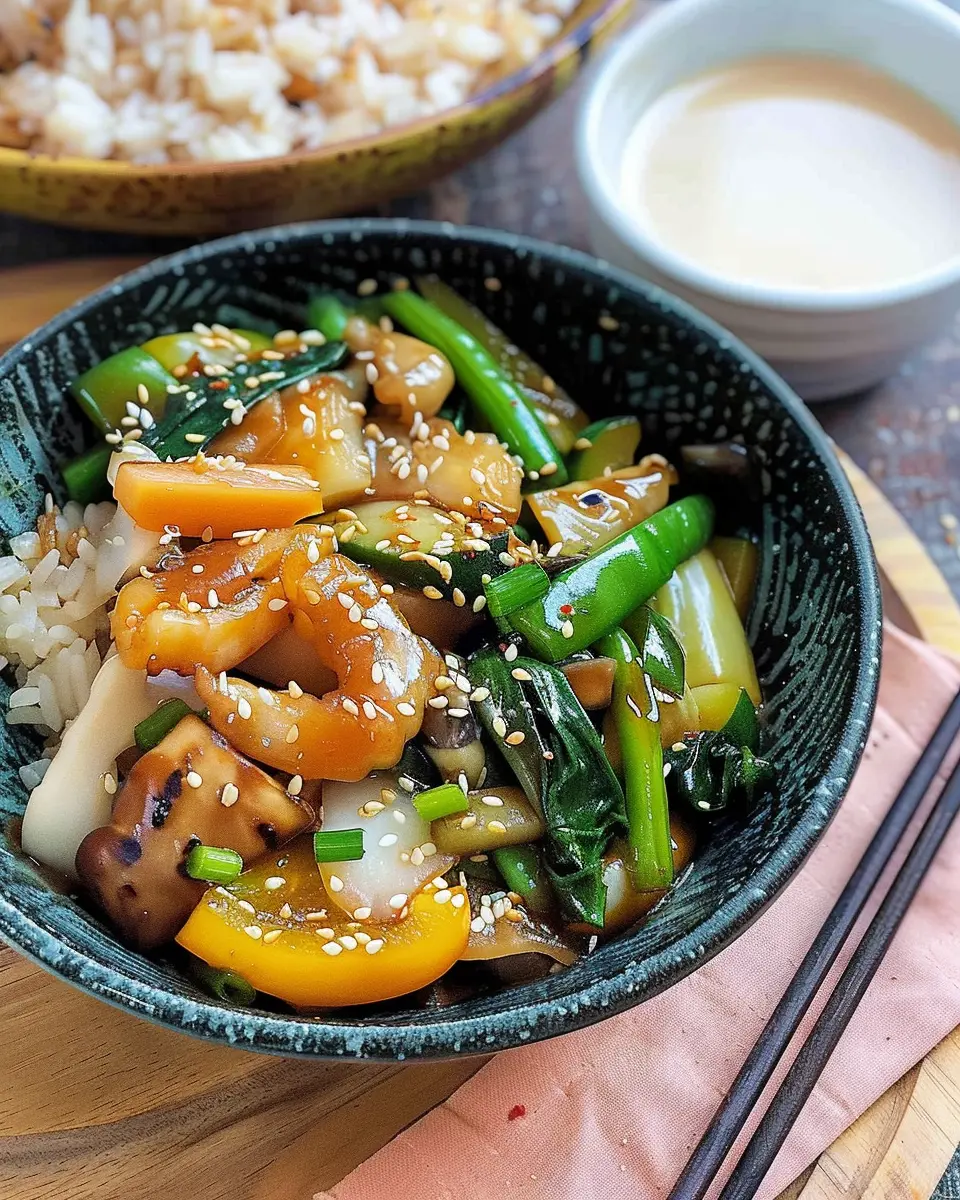
When it comes to enjoying simple hibachi vegetables, why not take it up a notch by serving them alongside hibachi fried rice? The garlic and soy sauce in the rice perfectly complement the fresh flavors of the veggies. You can also pair your meal with proteins such as chicken, tofu, or shrimp for a well-rounded dish. For a healthier twist, consider adding some grilled chicken ham or even turkey bacon to enrich your plate. Interested in the nutritional aspect? According to the USDA, incorporating a variety of vegetables boosts your dietary fiber, which is great for digestion.
Creative Plating Ideas to Impress Your Guests
Presentation matters as much as taste! To wow your guests, stack the simple hibachi vegetables neatly on one side of the plate while creating a vibrant scoop of fried rice on the other. Consider garnishing with chopped green onions or sesame seeds for an eye-catching finish. This multi-colored display will make your meal pop! For additional inspiration, check out this guide on creative plating here. Your guests will be impressed not just by the flavors but by the delightful visual appeal of your dish.
Time breakdown for Simple Hibachi Vegetables
Preparation time
Getting cozy in the kitchen is part of the fun! For these simple hibachi vegetables, you’ll need about 10-15 minutes to wash, chop, and prepare your veggies. Think bell peppers, zucchini, and broccoli, all sliced into vibrant bite-sized pieces. Don’t forget to gather your seasonings, like garlic powder and soy sauce, to make everything pop with flavor.
Cooking time
Once you’re prepped and ready, the cooking time will be quick—around 10 minutes for that sizzling hibachi experience. Just heat your pan, toss your veggies in, and watch them get that nice char. It’s fast but worth every second for delicious results!
Total time
Altogether, you’re looking at a total of about 20-25 minutes from start to finish. Perfect for those weeknight dinners when you want something healthy yet satisfying. Quick meals like these can save you time and help you stick to your goals, while still enjoying a delightful dinner. Enjoy your meal prep journey! For more tips on quick meals, check out this guide.
Nutritional facts for Simple Hibachi Vegetables
Caloric value per serving
When it comes to simple hibachi vegetables, you can feel good about what you’re putting on your plate. A typical serving contains around 80–100 calories, making it a light and healthy option for any meal. The vegetables are often accompanied by minimal oil and seasonings, allowing you to enjoy a delicious dish without the guilt.
Nutritional benefits of the ingredients used
The vibrant mix of vegetables, such as bell peppers, zucchini, and broccoli, in your simple hibachi vegetables not only offers a burst of colors but also a wealth of vitamins and minerals. Here are some key benefits:
- Fiber-rich: Vegetables like broccoli and zucchini are high in fiber, aiding in digestion and promoting a healthy gut.
- Rich in antioxidants: Ingredients such as bell peppers and carrots are loaded with antioxidants, which can help combat oxidative stress and boost your immune system.
- Low in fat: With minimal oil used in cooking, these vegetables are a heart-healthy choice, supporting cardiovascular health.
For more insight into the nutritional power of vegetables, check out the Academy of Nutrition and Dietetics. Embracing simple hibachi vegetables can be a delicious step toward maintaining a balanced diet!
FAQ about Simple Hibachi Vegetables
What other vegetables can I use?
When it comes to simple hibachi vegetables, the options are nearly endless! While we often stick to the classic combos like bell peppers, zucchini, and carrots, you can definitely mix things up. Consider adding:
- Broccoli for a crunchy texture
- Asparagus for a touch of elegance
- Baby corn for a sweet surprise
- Snap peas for that perfect pop
Feel free to add seasonal vegetables to keep your dish vibrant and fresh. Check out seasonal produce guides to see what’s in bloom in your area. This not only enhances the flavor but also boosts the nutritional content of your meal!
How can I make this dish vegan-friendly?
Transforming your hibachi vegetables into a vegan delight is super easy. Simply omit any non-vegan elements, and switch to plant-based alternatives. Here are a few tips:
- Use tofu or tempeh for added protein.
- Swap in soy sauce or tamari for a gluten-free option.
- Instead of butter, opt for vegan butter or olive oil to stir-fry your veggies.
These adjustments will keep your hibachi experience enjoyable while adhering to a vegan lifestyle. Many people love the versatility of simple hibachi vegetables because they can be tailored to any dietary preference!
Can I prepare these vegetables in advance?
Absolutely! Preparing your vegetables in advance can save you time on busy weeknights. Just chop your vegetables and store them in the fridge in an airtight container. They should stay fresh for about 2-3 days. To keep them looking vibrant, consider this trick: layer paper towels between the veggies to absorb excess moisture.
This way, when you’re ready to cook, you can just toss them in the pan. If you’re looking for more meal prep ideas, check out these tips from nutrition professionals.
Remember, the beauty of simple hibachi vegetables is that they’re not just a dish; they can be a delightful expression of your preferences!
Conclusion on Simple Hibachi Vegetables
Final thoughts on enjoying homemade hibachi at home
Crafting simple hibachi vegetables in your kitchen is more than just a recipe—it’s an experience! This quick and delightful dish allows you to recreate that festive hibachi atmosphere without the fuss of dining out. As you explore various vegetables, experimenting with flavors and textures will only elevate your culinary adventures.
Why not pair your homemade hibachi with some delicious sides like stir-fried rice or a fresh salad? Invite friends over for a hibachi night and share stories and laughs as the grill sizzles. For more information on honing your cooking skills, check out Serious Eats for tips and tricks. Enjoy the vibrant burst of flavors and the joy of savoring your creations with those you love!
PrintSimple Hibachi Vegetables: Easy Recipe for Flavorful Home Cooking
A delicious recipe for preparing hibachi-style vegetables at home.
- Prep Time: 10 minutes
- Cook Time: 10 minutes
- Total Time: 20 minutes
- Yield: 4 servings
- Category: Vegetarian
- Method: Stir-frying
- Cuisine: Japanese
- Diet: Vegan
Ingredients
- 2 cups zucchini, sliced
- 1 cup bell peppers, sliced
- 1 cup mushrooms, sliced
- 2 tablespoons soy sauce
- 1 tablespoon olive oil
- 1 teaspoon garlic, minced
- 1 teaspoon ginger, minced
- 1 teaspoon sesame seeds
Instructions
- Heat olive oil in a large skillet over medium-high heat.
- Add garlic and ginger, sautéing until fragrant.
- Add zucchini, bell peppers, and mushrooms to the skillet.
- Stir-fry the vegetables for about 5-7 minutes until tender.
- Pour soy sauce over the vegetables and stir well.
- Sprinkle with sesame seeds before serving.
Notes
- For extra flavor, you can add a splash of rice vinegar.
- Serve with grilled protein for a complete meal.
Nutrition
- Serving Size: 1 cup
- Calories: 120
- Sugar: 3g
- Sodium: 500mg
- Fat: 7g
- Saturated Fat: 1g
- Unsaturated Fat: 6g
- Trans Fat: 0g
- Carbohydrates: 12g
- Fiber: 3g
- Protein: 3g
- Cholesterol: 0mg