Introduction to Traditional Gyro Meat
What is Traditional Gyro Meat and Why is it so Beloved?
When you bite into a traditional gyro, you’re not just tasting a dish; you’re experiencing a piece of culinary history that hails from Greece. Traditional gyro meat is typically made from seasoned beef, which is layered on a vertical rotisserie, cooked to perfection, and then sliced into thin, flavorful pieces. The unique blend of spices, which often includes cumin, oregano, and garlic, gives the meat its distinctive taste, while the slow-roasting process ensures it stays juicy and tender.
So, why is traditional gyro meat so beloved around the world? For starters, the approach to preparation is as exciting as the flavors themselves. Watching the meat spin on the spit while it browns creates an engaging experience that’s hard to replicate. This visual appeal is complemented by the rich aroma that wafts through the air, drawing you in and making your mouth water.
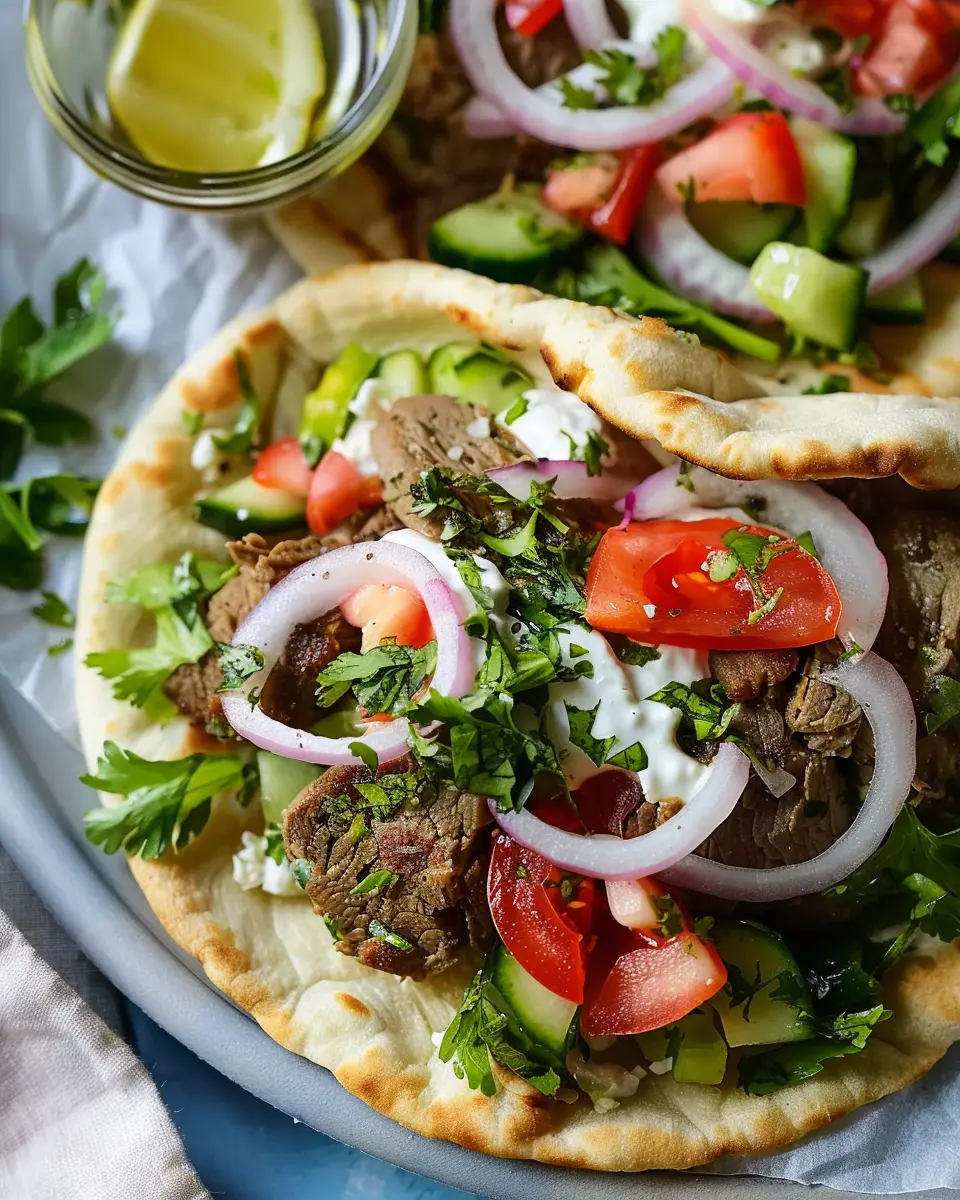
Moreover, the versatility of gyro meat plays a pivotal role in its popularity. Whether served on a warm pita with fresh veggies, slathered in tangy tzatziki sauce, or enjoyed in a luscious salad, traditional gyro meat adapts brilliantly to various dishes. You can even incorporate turkey bacon or chicken ham into your dish for a unique twist, making it a favorite among those seeking to combine flavors from different culinary traditions.
Cultural significance also adds to its charm. In many Mediterranean cultures, sharing a plate of gyros fosters a sense of togetherness. It’s a dish meant for gatherings, whether at family dinners or casual outings with friends. As you savor the juicy slices of gyro meat paired with fresh toppings, you’re not only enjoying a meal but also partaking in a rich tradition of hospitality.
If you’re interested in learning more about the origins of gyros or exploring some tips on how to create the best traditional gyro meat at home, check out resources like Serious Eats for a deep dive into Mediterranean cuisine and cooking methods. The journey into the world of gyros is as delightful as the dish itself. Get ready to bring a taste of Greece to your table!
Ingredients for Traditional Gyro Meat
Creating authentic traditional gyro meat is simpler than you think! Let’s break down the essential ingredients that will make your gyros mouthwateringly delicious and full of flavor.
The Meaty Base
To craft the perfect gyro meat, you’ll want the following:
- Beef: The star of the show! Go for well-marbled cuts to ensure that your gyros are juicy and flavorful.
- Turkey Bacon: This adds a unique twist and extra moisture, enhancing the overall taste.
- Chicken Ham: For a bit of smokiness, this ingredient balances out the heaviness of the beef perfectly.
Spice It Up
The secret to any great traditional gyro meat lies in its seasoning. Here are some must-have spices:
- Oregano: Fresh or dried, this herb provides an aromatic fragrance.
- Cumin: Add warmth and depth to your meat with this earthy spice.
- Garlic & Onion Powder: These will inject irresistible savory notes.
Binding Agents
To bring everything together:
- Breadcrumbs: These help keep your meat mixture moist but structured.
- Eggs: A natural binder that also enriches the flavor.
Feel free to explore more about these ingredients here. You might be surprised at the variations you can try!
Step-by-Step Preparation of Traditional Gyro Meat
Creating delicious traditional gyro meat at home is not only rewarding but also a fun culinary adventure. Whether you’re planning a casual dinner or a gathering with friends, these step-by-step instructions will guide you through the process.
Gather your ingredients
Before diving in, let’s make sure you have everything you need. You’ll want to gather the following ingredients for your traditional gyro meat recipe:
- Ground beef (approximately 1.5 pounds)
- Turkey bacon (about 4 strips)
- Onion (1 medium, finely chopped)
- Garlic (3 cloves, minced)
- Oregano (1 tablespoon, dried)
- Cumin (1 teaspoon, ground)
- Paprika (1 teaspoon, smoked preferred)
- Salt and pepper (to taste)
- Olive oil (for moisture)
Once you’ve assembled your ingredients, you’re ready to go! This recipe focuses on replicating authentic flavors without needing any intricate techniques (source: Serious Eats).
Prep the onion for flavor
Next, let’s prepare the onion. Chopping it finely helps release its natural sweetness, making it an excellent flavor enhancer for your traditional gyro meat.
- Peel the onion, then cut it in half and slice it thinly.
- Use a food processor or a knife to chop it until it’s almost a paste—this ensures that the onion’s flavor blends seamlessly into the meat mixture.
Don’t skimp on the onion—this step is essential for achieving that authentic taste.
Combine meat and spices
In a large mixing bowl, it’s time to bring all those delicious flavors together.
- Add the ground beef to the bowl, followed by the chopped turkey bacon. It’s great for adding moisture and a hint of smokiness to your gyro meat.
- Toss in the chopped onion, minced garlic, oregano, cumin, paprika, salt, and pepper.
Mix everything together using your hands or a spatula until thoroughly combined. The best part about making traditional gyro meat is its adaptability—feel free to tweak the spices according to your preference!
Process the mixture for perfect texture
Now, this is where it gets a bit technical but incredibly rewarding.
- Transfer your mixture to a food processor and pulse it a few times. You want a finely ground consistency that will hold together well when cooking.
- This mixing helps to blend the flavors more effectively and gives the meat that ideal texture reminiscent of the best gyros from your favorite food truck.
Processing the meat isn’t just about ease but about ensuring that each bite is packed with flavor.
Bake the gyro meat to juicy perfection
Now, it’s time to shape and bake.
- Preheat your oven to 350°F (175°C).
- Line a loaf pan with parchment paper and mold your meat mixture into a compact loaf.
- Bake for about 1 hour or until the internal temperature reaches 165°F (74°C).
The goal here is to create traditional gyro meat that’s juicy on the inside while achieving that beautiful exterior! You could also use a convection oven for a crispier exterior.
Cool and slice for serving
After baking, patience is key—let your gyros cool for about 15 minutes before slicing.
- Remove the loaf from the oven and carefully lift it out using the parchment paper.
- Use a sharp knife to cut your gyro meat into thin slices. Thinner slices allow for better flavor distribution and make for delightful bites wrapped in pita or served as a platter.
Now that your traditional gyro meat is ready, consider pairing it with some fresh veggies, tzatziki sauce, and warm pita for an authentic experience!
Creating your own traditional gyro meat at home might seem daunting at first, but with these steps, you’ll have a deliciously satisfying dish that will impress any dinner guest. Enjoy the fruits of your labor and savor that rich flavor with every bite!
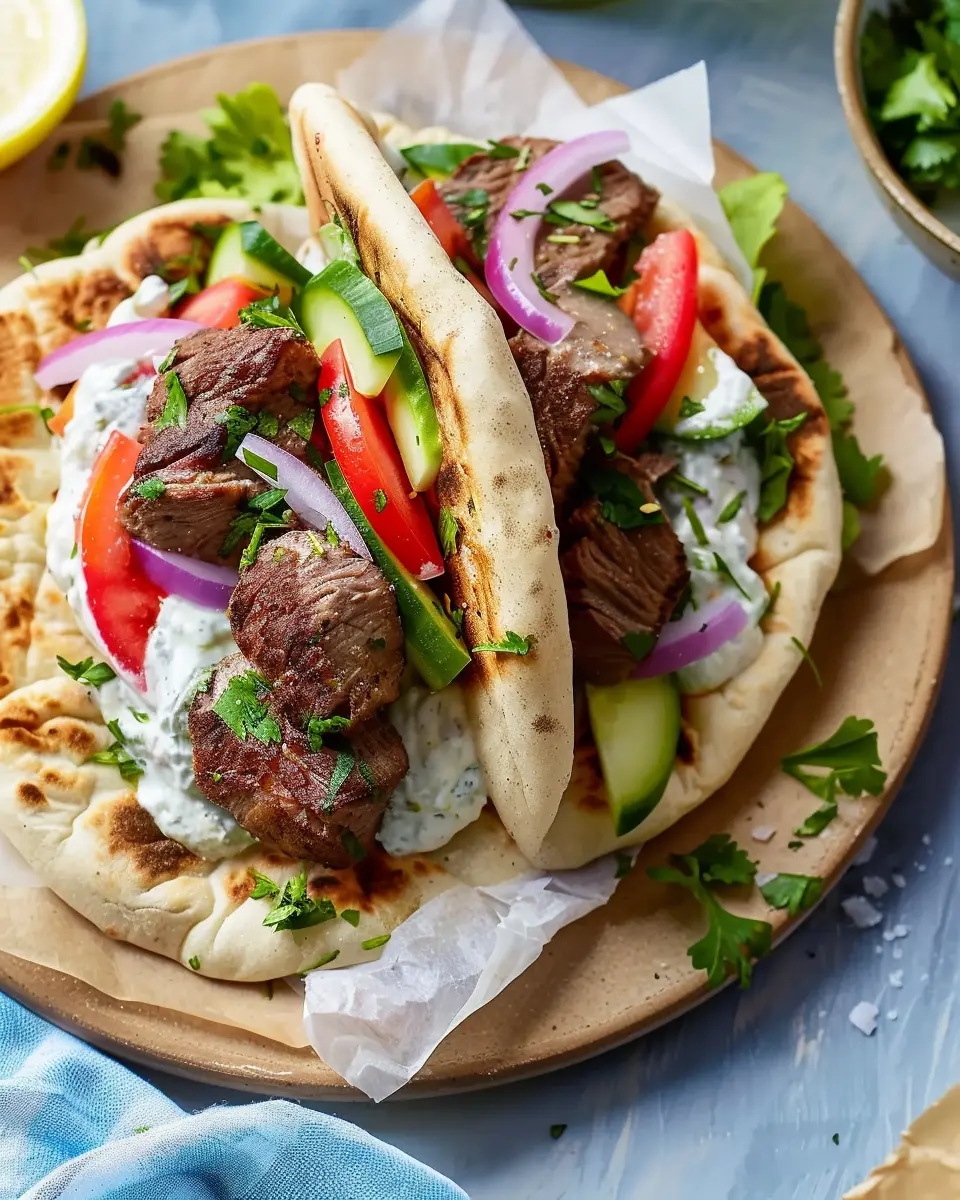
Variations of Traditional Gyro Meat
When it comes to creating the perfect traditional gyro meat, there’s a delightful world of variations to explore. Whether you’re a classic enthusiast or looking to switch things up, let’s dive into some tasty options!
Lamb and Beef Blend Variations
While lamb is the star of the show in a traditional gyro, blending it with beef can create a unique flavor profile. Combining ground lamb with ground beef not only enhances the richness but also adds a bit of texture. Many local eateries in Greece use this blend, which balances the gamey nature of lamb with the savory notes of beef. Plus, it’s generally more budget-friendly! Try a 50-50 mix for a taste that’s both satisfying and approachable.
Herb-Infused Gyro Meat Options
Herbs play a crucial role in elevating your traditional gyro meat. Classic recipes often include oregano, but why stop there? Infuse your meat with fresh rosemary or thyme for an aromatic twist. If you’re feeling adventurous, consider adding a hint of mint, which can brighten up the dish remarkably.
For an herb-packed twist, use:
- Fresh dill
- Parsley
- Basil
These herbs not only enhance the taste but also contribute to the health benefits of your gyro, as fresh herbs are known to contain antioxidants. Interested in learning more about the health impact of herbs? Check out this guide on the benefits of using fresh herbs in cooking from the USDA.
With these variations, you can truly make your traditional gyro meat reflect your taste preferences. So, next time you’re preparing a feast, consider these delicious alternatives to give your gyros a kick!
Cooking Tips and Notes for Traditional Gyro Meat
When making traditional gyro meat, here are some handy tips to ensure you achieve that authentic flavor and texture.
Balance Your Meats for Flavor
Using a mix of beef and chicken ham can elevate your gyro game’s flavor profile. The fat content from the beef adds richness, while the chicken ham keeps it tender and juicy.
Spice It Up
A blend of spices is the heart of gyro meat. Try incorporating paprika, garlic powder, and oregano; they can really enhance the taste. Remember, spices don’t just add flavor, they also bring aroma to your dish, making it more inviting!
Marinate Overnight
Don’t rush the marinating process! Allow your seasoned meat to rest in the fridge overnight. This extra time lets the flavors meld beautifully, resulting in truly unforgettable traditional gyro meat.
Cooking Techniques Matter
For a crispy exterior, consider using a vertical rotisserie or grilling method. If you lack these tools, a hot skillet works too—just ensure you’re cooking in batches to keep the meat from steaming.
For more insights, you might want to explore resources from the Mediterranean Diet, which celebrates these delicious flavors and techniques!
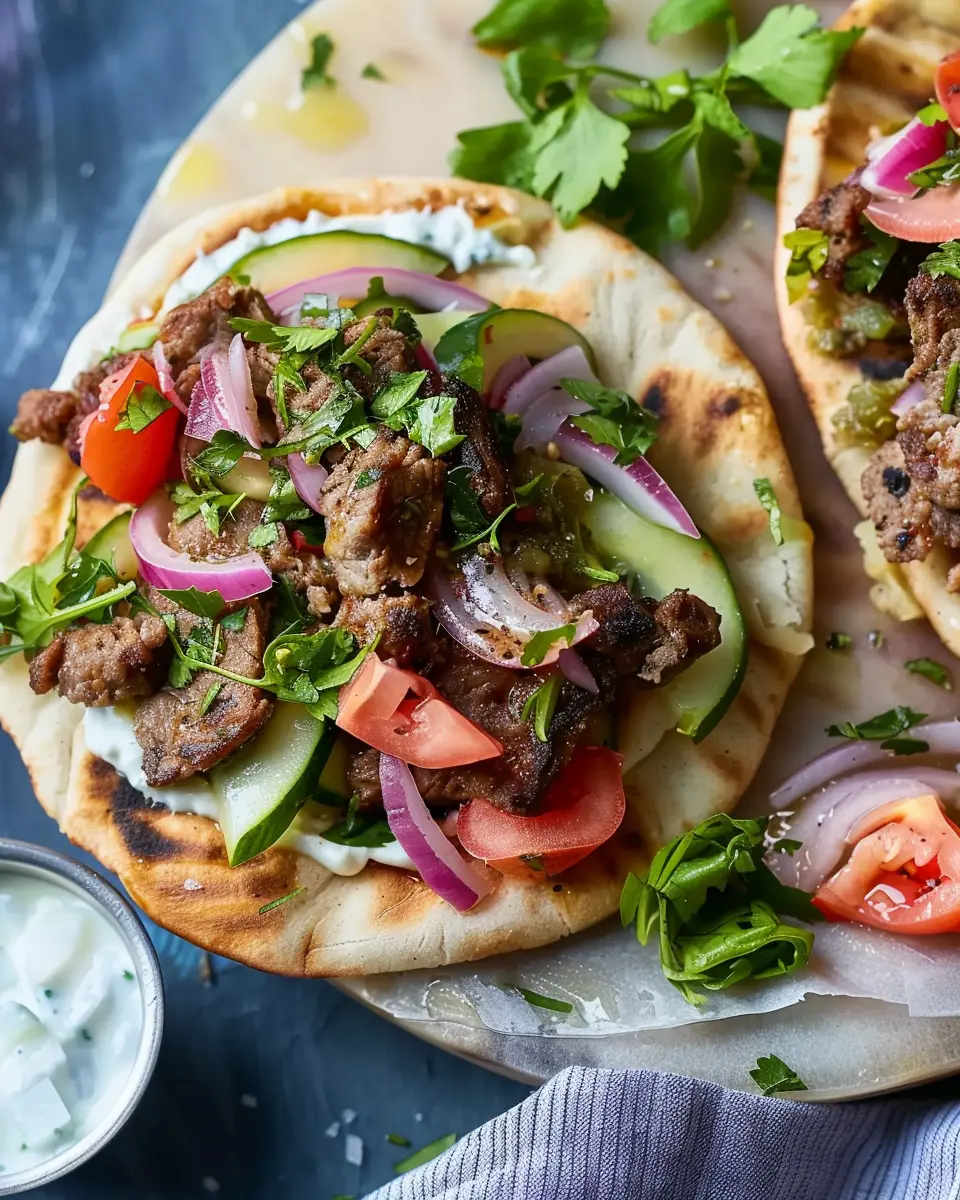
Serving Suggestions for Traditional Gyro Meat
Classic Gyro Sandwich
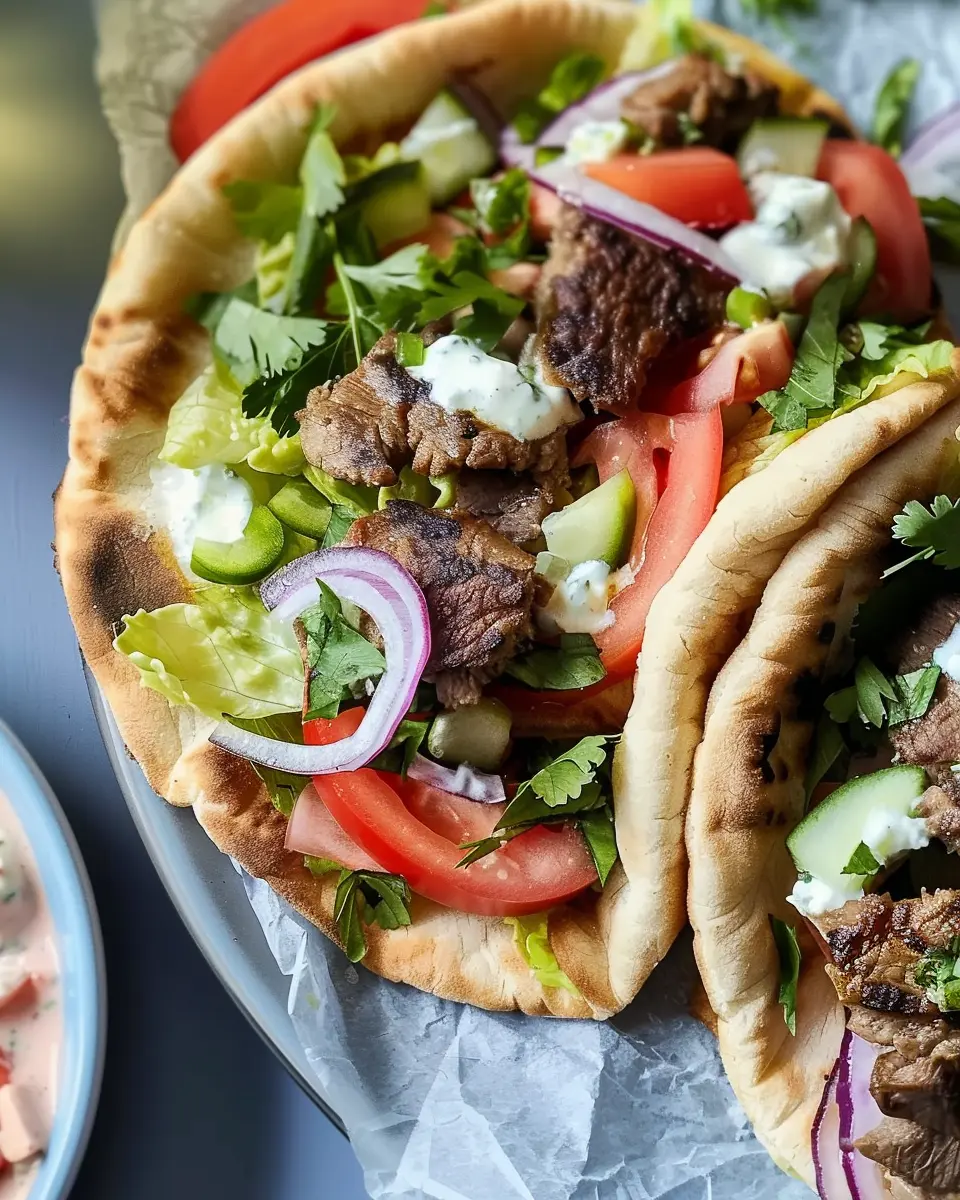
One of the best ways to showcase your traditional gyro meat is in a classic gyro sandwich. Start with warm, fluffy pita bread, and layer on generous slices of the seasoned meat. Add fresh toppings like shredded lettuce, ripe tomatoes, and thinly sliced onions for that extra crunch. Drizzle a dollop of creamy tzatziki sauce over the top for a cooling contrast. Feeling adventurous? Spice things up with a sprinkle of feta cheese or Kalamata olives.
Creative Gyro Bowl Ideas
Go beyond the sandwich and embrace the trend of gyro bowls! Start with a base of fluffy rice or quinoa, then pile on slices of your traditional gyro meat. Top it with chopped cucumbers, cherry tomatoes, and a handful of fresh herbs like parsley or dill. For a satisfying crunch, consider adding roasted chickpeas or avocado slices. Drizzle with your favorite dressing or a little extra tzatziki. This is a great way to enjoy all the flavors without the bread, perfect for a lighter meal or for meal prep during busy weeknights.
Want to dive deeper into the world of gyros? Check out this guide on how to create the ultimate Greek feast.
Time Breakdown for Traditional Gyro Meat
Preparation Time
Getting ready to create your delicious traditional gyro meat takes about 20 minutes. This includes gathering all your ingredients and marinating the meat—don’t rush this part! Allow the flavors to blend perfectly together, ensuring your dish is full of rich, savory notes.
Cooking Time
Once you’ve prepped, it’s time to cook. The total cooking time is approximately 1 hour. You’ll need to roast the meat until it’s golden brown and cooked through, giving it that desirable crispy edge.
Total Time
In total, you’re looking at about 1 hour and 20 minutes from start to finish. This might seem like a bit of a time investment, but trust me, the homemade gyro experience is worth every second! If you’re keen on efficiency, consider making a larger batch and freezing leftovers—perfect for busy weeknights! For more tips on meal prep and freezing, check out resources like Food Network or New York Times Cooking.
Cooking traditional gyro meat at home not only saves you money but also allows you to customize flavors to your liking. Enjoy the process and share the final product with friends—nothing beats a freshly made gyro!
Nutritional Facts for Traditional Gyro Meat
When you’re digging into a delicious plate of traditional gyro meat, it’s always good to know what you’re savoring. Here’s a quick breakdown of the nutritional aspects that might interest you.
Calories
A typical serving of traditional gyro meat contains around 250-300 calories. This makes it a satisfying choice without going overboard on your daily intake.
Protein
You’ll be pleasantly surprised to find that traditional gyro meat is rich in protein, providing about 20-25 grams per serving. This makes it an excellent option for those looking to build or maintain muscle.
Sodium
While enjoying your gyro, keep an eye on sodium levels, which can range from 600 to 800 milligrams in a serving. High sodium can affect heart health, so it’s wise to balance your intake throughout the day.
If you’re curious about making healthier choices or exploring more about the nutritional content, the USDA National Nutrient Database is a fantastic resource. Each bite of traditional gyro meat not only satisfies cravings but also delivers a range of essential nutrients. So why not think about adding some fresh veggies as toppings to boost your meal’s nutritional value?
FAQs about Traditional Gyro Meat
When it comes to making traditional gyro meat, you might have some questions before diving in. Let’s tackle a few common queries to make your cooking experience smoother and more enjoyable.
How can I customize my gyro meat?
One of the best aspects of traditional gyro meat is its versatility. Feel free to experiment with the spices and herbs that suit your palate. Here are some ideas:
- Add Heat: Incorporate chili powder or cayenne for a spicy kick.
- Herbal Twist: Fresh herbs like oregano and mint can elevate the flavor.
- Different Meats: While the classic recipe uses pork or beef, consider swapping in turkey bacon or chicken ham for a lighter version.
Why not take a moment to check out this article on customizing gyro meat for more ideas?
What sides pair well with gyro meat?
Accompaniments can make or break your gyro experience. Consider these delicious side dishes:
- Greek Salad: A refreshing mix of cucumbers, tomatoes, and feta pairs perfectly.
- Tzatziki Sauce: This cool, creamy yogurt sauce is classic; just don’t skip it!
- Pita Bread: Soft, warm pita is essential for wrapping your gyro and enjoying every bite.
How do I store leftover gyro meat?
If you’ve made more than you can eat, don’t worry! Proper storage will keep your traditional gyro meat fresh for days.
- Refrigerate: Place leftovers in an airtight container and store them in the fridge for up to four days.
- Freeze: For longer storage, wrap the meat tightly in plastic wrap or foil, then place it in a freezer bag. It can last up to three months. Just remember to let it thaw in the fridge overnight before reheating.
By following these tips, you’ll enhance your cooking experience and enjoy your traditional gyro meat even longer!
Conclusion on Traditional Gyro Meat
Making traditional gyro meat at home is a culinary adventure that pays off in flavor and satisfaction. With just a few quality ingredients, you can create a dish that rivals any restaurant version. Not only is homemade gyro meat fresher, but it also allows for customization—add your favorite spices or adjust the fat content to suit your taste.
When you’re ready to serve, don’t forget to pair it with fresh veggies, homemade tzatziki, and warm pita. For a deeper dive into the world of gyros and their history, check out resources from The Greek Orthodox Archdiocese of America or Serious Eats. Enjoy your scrumptious creation, and remember, perfection in the kitchen is all about practice and passion!
PrintTraditional Gyro Meat Recipe: Juicy and Flavorful Homemade Delight

Experience the authentic taste of homemade gyro meat, juicy and packed with flavor. This traditional recipe will take your taste buds on a delightful journey.
- Prep Time: 15 minutes
- Cook Time: 1 hour
- Total Time: 1 hour 15 minutes
- Yield: 6 servings
- Category: Main Dish
- Method: Baking
- Cuisine: Greek
- Diet: Carnivore
Ingredients
- 2 pounds ground lamb
- 1 pound ground beef
- 1 tablespoon garlic powder
- 1 tablespoon onion powder
- 1 tablespoon dried oregano
- 1 tablespoon ground cumin
- 1 teaspoon salt
- 1 teaspoon black pepper
- 1/4 cup fresh parsley, chopped
- 1/4 cup bread crumbs
- 1/4 cup water
Instructions
- Preheat your oven to 325°F (163°C).
- In a large bowl, combine all the ingredients and mix thoroughly.
- Form the mixture into a loaf shape and place it on a baking tray.
- Bake for about 1 hour, or until the internal temperature reaches 160°F (71°C).
- Let it rest for 10 minutes before slicing.
- Serve in pita with your favorite toppings.
Notes
- For extra flavor, let the meat mixture rest for at least an hour before cooking.
- Experiment with different herbs and spices for a unique twist.
Nutrition
- Serving Size: 1 slice
- Calories: 350
- Sugar: 0g
- Sodium: 600mg
- Fat: 25g
- Saturated Fat: 10g
- Unsaturated Fat: 12g
- Trans Fat: 1g
- Carbohydrates: 5g
- Fiber: 1g
- Protein: 25g
- Cholesterol: 80mg