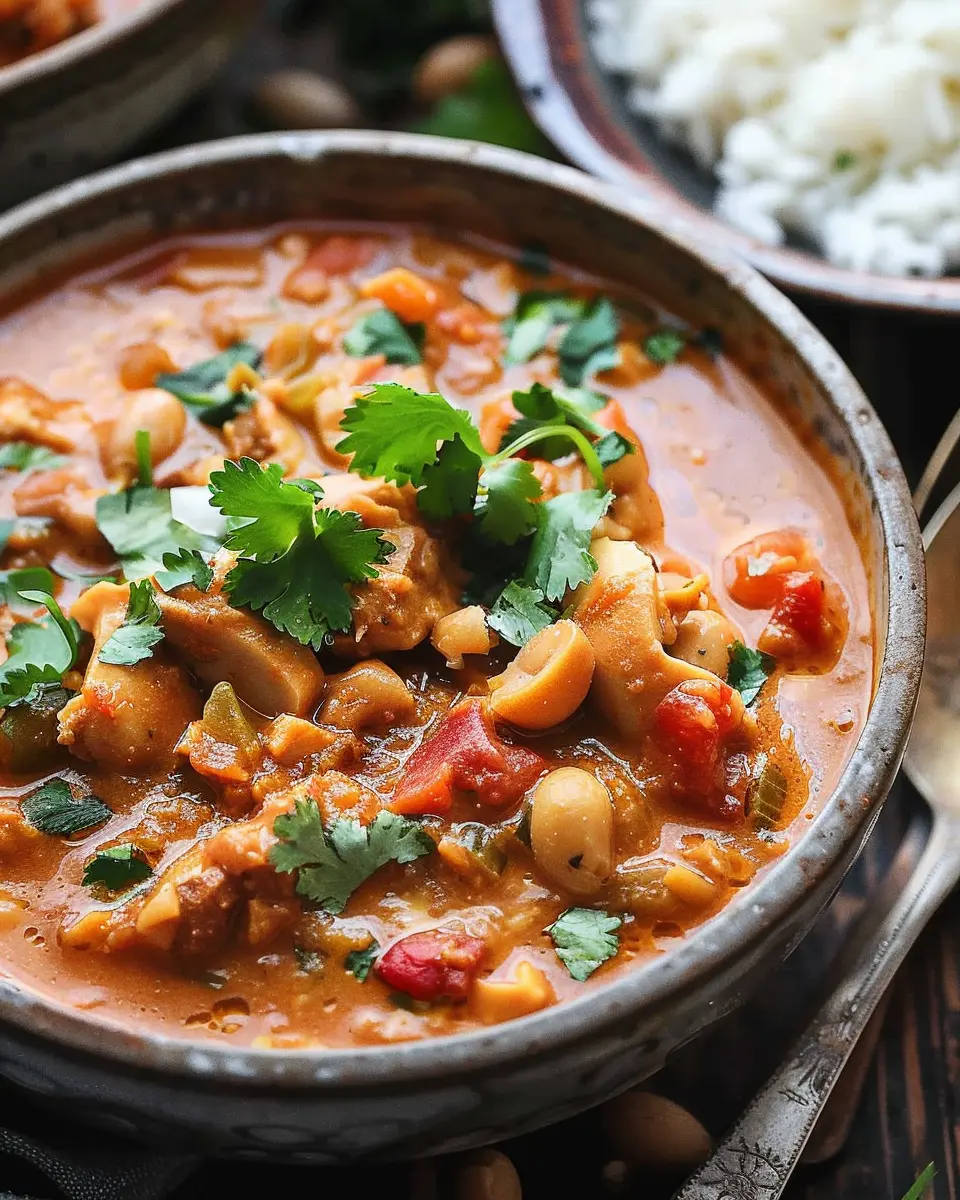
Introduction to West African Peanut Stew
Discovering the flavors of West African cuisine
When it comes to exploring the vibrant world of West African cuisine, few dishes capture its essence quite like West African peanut stew. This comforting dish, often made with a savory blend of creamy peanut butter and an array of spices, is a staple that reflects the rich culinary traditions of the region. The flavors are bold, the ingredients are wholesome, and the experience of cooking and sharing this stew is truly heartwarming.
But what makes this dish so special? It’s not just the sumptuous taste. Peanut stew is often a celebration of communal cooking, where families come together to create something delicious. It combines local ingredients such as sweet potatoes, tomatoes, and leafy greens, making it not only delicious but also rich in nutrients. For those curious about West African traditions, the use of peanuts dates back centuries, and their versatility is utilized in various dishes across the region.
As you prepare to dive into the recipe, consider the stories behind each ingredient. For instance, peanuts are not just a snack in West Africa; they symbolize food security and nutritional sustenance. According to a report from the Food and Agriculture Organization (FAO), peanuts are an excellent source of protein and healthy fats, making them a valuable addition to any meal.
A comforting meal for everyone
Whether you’re a seasoned chef or just starting out, this West African peanut stew invites you to embrace the delicious flavors of the region while easily adapting to your taste preferences. You can personalize it with various proteins—try adding Turkey Bacon for a smoky twist or Chicken Ham for a heartier feel. It’s also a great vegetarian option, letting you swap in legumes or additional vegetables if you prefer.
By now, you might find yourself inspired to create this delightful stew. The wonderful thing about West African peanut stew is that it is meant to be shared. So gather your friends, set up a cozy dinner, and let the aromatic spices fill your kitchen! And hey, don’t forget to serve it with some rice or flatbread for that complete experience.
Ready to get cooking? Let’s dive into the recipe!
For more insights on West African flavors, check out The African Food Network to enhance your culinary journey.
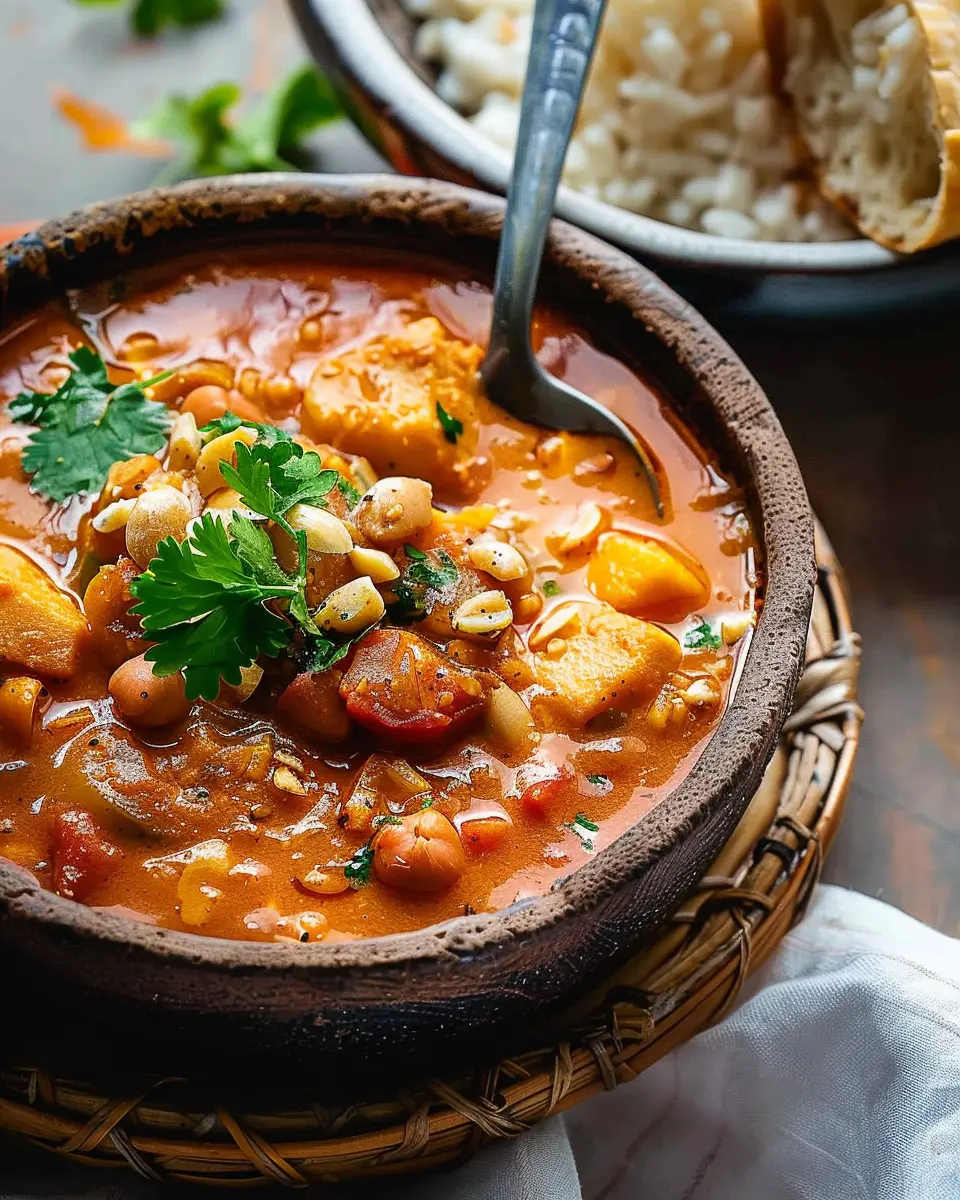
Ingredients for West African Peanut Stew
When you’re craving something warm and comforting, West African peanut stew often tops the list. This dish is rich in flavor and deeply satisfying, thanks to its robust ingredients. Here’s what you’ll need to create this culinary delight.
Essential ingredients for a hearty stew
- Peanut butter: The creamy base that gives the stew its signature flavor. Opt for natural unsweetened peanut butter for the best taste.
- Tomatoes: Fresh or canned, they add a rich tang that balances the richness of peanuts.
- Vegetables: Consider sweet potatoes, carrots, and spinach for hearty texture and nutrients.
- Protein: Add Turkey bacon or Chicken ham for a savory depth. You could also use lentils or chickpeas for a plant-based twist.
- Broth: Vegetable or chicken broth provides a flavorful liquid. If you’re looking for a boost, consider vegetable stock for extra umami.
- Spices: Don’t skimp on cumin, ginger, and garlic for that warm depth of flavor.
Optional garnishes for an added touch
Elevate your West African peanut stew with toppings that add both color and excitement:
- Chopped cilantro or parsley for freshness.
- Sliced avocado for creaminess.
- Chili flakes or hot sauce if you love a kick.
With these ingredients in hand, you’ll be well on your way to creating a comforting dish that warms both your soul and your stomach. For more cooking tips, check out The Kitchn’s guide on preparing stews. Happy cooking!
Preparing West African Peanut Stew
Creating a warm and comforting bowl of West African Peanut Stew is a delightful journey that not only tantalizes your taste buds but also fills your home with heavenly aromas. This rich dish melds together exciting flavors and nutritious ingredients, making it a standout choice for any meal. Let’s dive into the preparation steps!
Sautéing the aromatics
The first crucial step in preparing West African Peanut Stew is to sauté the aromatics. Start by heating a couple of tablespoons of oil in a large pot over medium heat. Aromatics like onions, garlic, and ginger are what give this dish its heart and soul.
- Chop the ingredients: Finely chop one large onion, three garlic cloves, and a thumb-sized piece of ginger. The chopping doesn’t have to be perfect; just aim for uniform pieces to help them cook evenly.
- Sauté: Once your oil is hot, add the onions first and stir them for about 5 minutes until they become translucent. Next, toss in the garlic and ginger and cook for an additional 1-2 minutes. You’ll know you’ve nailed it when your kitchen starts to smell inviting!
Pro tip: Crank the heat if you want a bit more color on your onions, but be careful not to burn them! Burnt onions can give an unpleasant bitterness to your stew.
Combining the main ingredients
With your aromatics perfectly sautéed, it’s time to bring in the heavyweights. The star ingredients of your West African Peanut Stew include peeled tomatoes, chicken (or beef, or even plant-based proteins for vegetarians), and, of course, peanut butter.
- Add the tomatoes: Pour in a can of crushed tomatoes, letting the mixture bubble and meld into a rich, vibrant base.
- Incorporate chicken: If you’re using chicken, cut boneless, skinless chicken breast into bite-sized pieces and add them in at this stage. If you prefer a beef option, diced beef will work just as well.
- Peanut butter perfection: Stir in a generous half-cup of natural peanut butter—this adds creaminess and a unique flavor that makes the dish stand out. Don’t worry if it seems thick; it will loosen up as it cooks.
Simmering for flavor development
Once everything is combined, it’s simmering time.
- Add broth: Pour in 4 cups of chicken or vegetable broth. This acts as the liquid gold in your stew, helping to bring all the flavors together.
- Season well: Add salt, black pepper, and a sprinkle of cayenne pepper for heat. Feel free to adjust based on your spice tolerance!
- Simmer: Bring the stew to a gentle boil, then reduce the heat and let it simmer. This slow cooking allows the flavors to deep dive and develop, so allow at least 30–45 minutes for the magic to happen. Stir occasionally to prevent sticking and to check on that creamy consistency.
As you wait, consider this: cooking is not just about food but also about memories and connections. This stew can be a wonderful dish to share with family and friends.
Shredding the chicken for a tender finish
After simmering, it’s time to shred the chicken for that truly tender finish.
- Check for doneness: Ensure your chicken is fully cooked (it should reach an internal temperature of 165°F). Remove it from the pot and let it rest for a few minutes.
- Shred: Using two forks, shred the chicken into bite-sized pieces and return it to the stew. This little step not only enhances the texture but also allows the chicken to soak in all the lovely flavors of the peanut stew.
Final touches for taste
You’re nearly there! At this point, your West African Peanut Stew should be incredibly fragrant and comforting.
- Brighten it up: For a final touch, add a squeeze of fresh lime juice before serving. This little burst of acidity helps to balance the dish beautifully.
- Garnish: Consider topping your stew with freshly chopped cilantro for an extra pop of flavor and color.
Serve this comforting dish with a side of fluffy rice or warm bread, and watch as everyone gathers around the table! Not only will you enjoy a delicious meal, but you’ll also create memorable moments that make cooking worth it.
For more on delicious stews and interesting cultural dishes, check out resources like Saveur and Food52. Happy cooking!
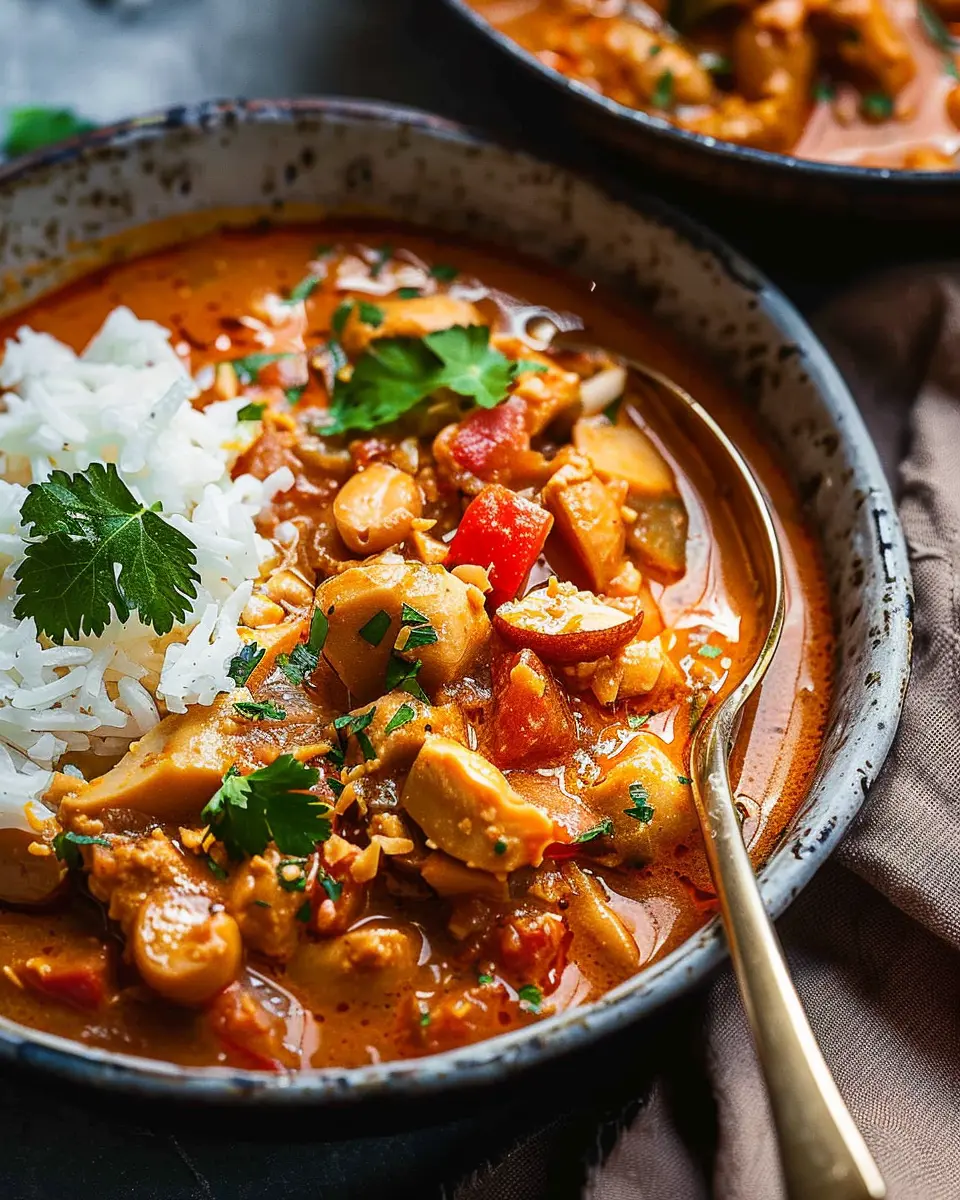
Variations on West African Peanut Stew
West African Peanut Stew is incredibly versatile, inviting experimentations that cater to various dietary needs and flavor preferences. Let’s explore some delightful variations!
Vegetarian and Vegan Adaptations
If you’re leaning towards a plant-based diet, transforming your stew into a vegetarian or vegan delight is straightforward. Start by substituting the meat with nutrient-rich options such as:
- Chickpeas: They add a hearty texture and absorb the rich flavors beautifully.
- Lentils: These not only enhance the protein content but also create a satisfying stew.
- Tofu or Tempeh: For a more substantial bite, add cubed tofu or tempeh, marinating them for extra flavor.
You can easily maintain the stew’s creamy essence with a splash of coconut milk or extra peanut butter. Want to dive deeper into plant-based cooking? Check out The Vegan Society for insights and inspiration.
Spicy Twists for Heat Lovers
For those who crave a spicy kick, the beauty of this West African Peanut Stew is that it adapts beautifully to heat. Here’s how you can spice things up:
- Chili Peppers: Add fresh or dried chili peppers, such as habaneros or Thai chilies, to the base. Start with just a little and adjust to your palate.
- Harissa or Sriracha: Stir in a spoonful of harissa paste or Sriracha for an explosive flavor profile. Not only do these enhance the heat, but they also introduce unique spice nuances to your stew.
- Cayenne Pepper: A dash of cayenne can also elevate the heat level—be careful not to overdo it!
With these variations, your West African Peanut Stew can easily become a signature dish that reflects your personal taste while still honoring its traditional roots. What variations are you excited to try?
Cooking tips and notes for West African Peanut Stew
Tips for optimizing flavor
To make your West African peanut stew truly shine, consider browning your vegetables before adding liquids. This caramelization enhances the flavor base, adding depth to the dish. Additionally, using unsweetened creamy peanut butter rather than chunky can create a silky texture.
A splash of fresh lime juice or a sprinkle of smoked paprika can also elevate the flavor profile. Don’t shy away from experimenting with herbs and spices either; fresh cilantro added at the end can brighten the dish beautifully.
Suggestions for ingredient substitutions
Not all ingredients are mandatory; feel free to customize based on what you have at home. Don’t have sweet potatoes? Carrots or butternut squash work just as well. If you prefer a meatier option, swap out the chicken ham for Turkey Bacon or even Beef for a heartier stew. For a vegetarian version, simply omit the meat altogether or add lentils for protein.
For more insights on ingredient choices, check out resources like The Spruce Eats and Epicurious. Happy cooking!
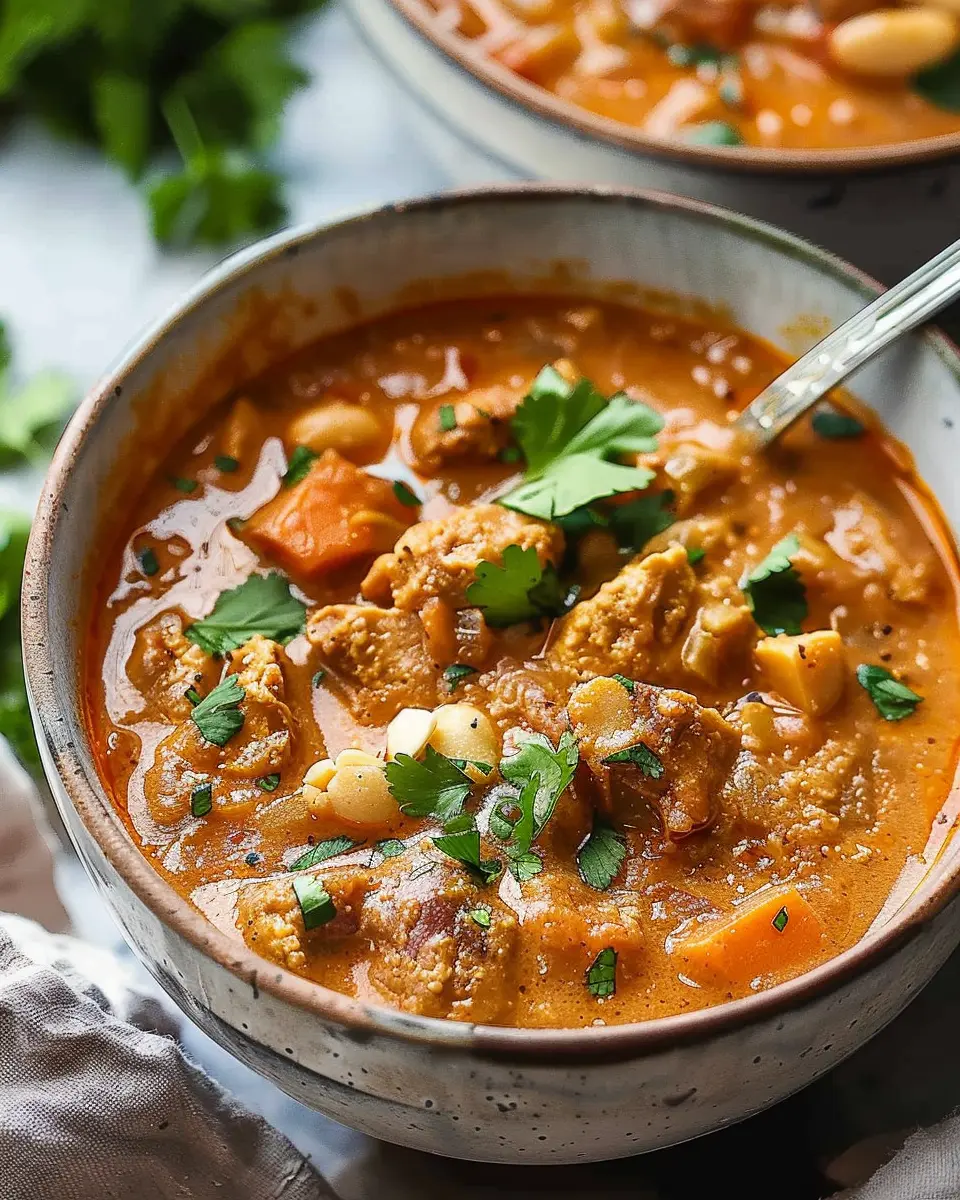
Serving suggestions for West African Peanut Stew
Perfect pairings for a complete meal
When you’re enjoying West African Peanut Stew, consider pairing it with a side of jasmine rice or quinoa. Both options absorb the rich, nutty flavors beautifully and make for a well-rounded meal. If you want to add some greens, a simple cucumber salad drizzled with lemon juice provides a refreshing contrast to the stew’s warmth. For an exciting twist, try serving it with plantains—fried or baked, they add a delightful sweetness.
Creative serving ideas
Get creative with your presentation! Instead of the usual bowl, serve your West African Peanut Stew in hollowed-out squashes or avocado halves for a colorful display. Top each serving with a sprinkle of fresh cilantro or chopped peanuts for added texture. If you’re looking for a fun sharing option, consider setting up a taco bar with warm tortillas, allowing guests to create their own peanut stew tacos. This interactive approach makes for a memorable dining experience.
For more ideas on vibrant pairings and serving options, you can check out BBC Good Food or Epicurious.
Time breakdown for West African Peanut Stew
Cooking is a beautiful blend of art and science, and knowing how to allocate your time is essential, especially when making something as comforting as West African Peanut Stew. Here’s a quick breakdown to help you plan your culinary adventure.
Preparation time
Getting all your ingredients ready is the first step. You’ll need about 15-20 minutes for chopping vegetables, measuring out spices, and prepping your proteins like Turkey Bacon or Chicken Ham. This step is all about organizing and making your cooking experience seamless.
Cooking time
Now onto the magic! The actual cooking of your West African Peanut Stew will take around 35-40 minutes. This time includes simmering your ingredients to meld those incredible flavors together. You’ll want to stay close by, stirring occasionally and inhaling the delicious aromas wafting through your kitchen.
Total time
In total, you’re looking at roughly 55-60 minutes from start to finish. That’s a manageable chunk of time for a nourishing meal that will leave everyone asking for seconds. So grab your apron and let’s dive in—your taste buds will thank you!
For more tips on meal prep, check out articles from sources like Bon Appétit or Serious Eats.
Nutritional Facts for West African Peanut Stew
When it comes to a nourishing dish, the West African Peanut Stew stands out with its rich ingredients and delightful flavors. Here’s a quick breakdown of what’s on your plate:
Calories
A typical serving of West African Peanut Stew contains approximately 350-400 calories, depending on the portion size and specific ingredients used. This makes it a hearty option without being overly indulgent.
Protein Content
Each serving packs around 12-15 grams of protein, thanks to peanut butter and any added proteins like chicken or turkey bacon. This makes it a great choice for those looking to fuel their active lifestyles.
Key Nutrients
This stew is not just calorie-rich; it’s also brimming with essential nutrients. Key components include:
- Healthy Fats: From peanuts, supporting heart health.
- Vitamins: Rich in Vitamin E and antioxidants.
- Minerals: Including magnesium, potassium, and iron.
It’s a delicious way to enjoy a well-rounded meal. Looking to add some spice? Check out this site for more information on the health benefits of peanuts.
Incorporating West African Peanut Stew into your routine not only excites your taste buds but also nourishes your body — a win-win!
FAQs about West African Peanut Stew
Can I make this stew in advance?
Absolutely! One of the best things about West African peanut stew is that it actually tastes better after the flavors have had time to meld. If you’re planning a busy week, consider making it ahead of time. Simply prepare the stew, let it cool, and store it in an airtight container in the fridge for up to three days. You can also freeze it for future meals. Just remember to thaw it in the fridge overnight before reheating.
How do I store leftovers?
Storing leftovers from your West African peanut stew is super easy! After enjoying your meal, allow the stew to cool down to room temperature. Then, transfer it into a sealed container. If you’d like to keep your stew fresh for a longer time, consider freezing portions in individual containers. It can last up to three months in the freezer. When you’re ready to enjoy those leftovers, just reheat them on the stove or in the microwave until steaming hot.
What type of peanut butter is best to use?
When choosing peanut butter for your West African peanut stew, go for natural, creamy styles without added sugar or preservatives. Brands like Justin’s or Smuckers Natural offer great options. The nuttiness of the peanut butter is crucial for balancing the flavors of the dish, so opt for one that lets the peanut flavor shine. You can find more tips on selecting the right peanut butter here.
With these tips, you’ll be well-equipped to make and store your West African peanut stew like a pro! Enjoy your culinary adventure!
Conclusion on West African Peanut Stew
Embracing homemade meals with delicious flavors
As we wrap up our culinary journey into West African peanut stew, it’s clear that this dish is not just a meal; it’s an experience. A hearty combination of natural ingredients brings a warmth and richness that truly nourishes both body and soul. Homemade meals like this allow you to control the flavors, ensuring each bite is packed with nutrients and love.
Feeling inspired to explore the potential of peanut stew? You’re not alone! Many young professionals are discovering the joy of cooking at home, and there’s a satisfying thrill in whipping up a dish that transports you to another culture. Enjoy experimenting with this recipe, and share it with friends and family. Together, you can savor the vibrant tastes of West African cuisine, all while creating lasting memories.
For more delicious, healthy recipes, check out EatingWell or BBC Good Food.
PrintWest African Peanut Stew: Cozy, Easy Comfort Food Recipe
Enjoy a warm bowl of West African Peanut Stew, a delightful blend of peanut butter, vegetables, and spices that brings comfort to your table.
- Prep Time: 15 minutes
- Cook Time: 30 minutes
- Total Time: 45 minutes
- Yield: 4 servings
- Category: Main Course
- Method: Stovetop
- Cuisine: West African
- Diet: Vegetarian
Ingredients
- 1 cup peanut butter
- 2 cups vegetable broth
- 1 large onion, diced
- 2 garlic cloves, minced
- 1 inch ginger, grated
- 1 can diced tomatoes
- 1 bell pepper, chopped
- 1 cup sweet potatoes, cubed
- 1 can chickpeas, drained
- 1 tablespoon olive oil
- 1 teaspoon cumin
- 1 teaspoon paprika
Instructions
- In a large pot, heat olive oil over medium heat. Add onions, garlic, and ginger. Sauté until onions are translucent.
- Add sweet potatoes and bell pepper, cooking for another 5 minutes.
- Stir in cumin and paprika, cooking until fragrant.
- Add diced tomatoes, chickpeas, vegetable broth, and peanut butter. Stir until combined.
- Bring to a boil, then reduce heat and simmer for 20-30 minutes until sweet potatoes are tender.
- Serve hot, garnished with chopped peanuts or cilantro if desired.
Notes
- For extra spice, add a pinch of cayenne pepper.
- Serve with rice or bread for a complete meal.
- Peanut allergies can be substituted with sunflower butter.
Nutrition
- Serving Size: 1 cup
- Calories: 350
- Sugar: 3g
- Sodium: 400mg
- Fat: 20g
- Saturated Fat: 3g
- Unsaturated Fat: 15g
- Trans Fat: 0g
- Carbohydrates: 40g
- Fiber: 8g
- Protein: 12g
- Cholesterol: 0mg