Introduction to the World’s Easiest Yeast Bread Recipe
Have you ever walked into a kitchen and been enveloped by the warm, comforting aroma of freshly baked bread? There’s truly something magical about it. Making bread at home seems daunting, but I promise it’s more accessible than you might think. In fact, with the world’s easiest yeast bread recipe, you’ll find that bread-making can be a straightforward and fulfilling experience.
Why Homemade Bread is Worth the Effort
So, why should you invest time in baking your own bread? For starters, the flavor is unmatched. Store-bought loaves often contain preservatives and additives to prolong shelf life, but when you make it at home, you control every ingredient. Imagine sinking your teeth into a soft, fluffy slice made with quality flour and a pinch of love.
Moreover, the health benefits of homemade bread are significant. According to the Whole Grains Council, homemade bread can be packed with fiber and nutrients that store-bought versions often lack. Plus, it’s easier to customize—want to add herbs, spices, or seeds? Go for it! Personalizing your loaf means you can cater to your diet, whether you’re avoiding gluten or adding good fats.
Not to mention the therapeutic benefits of kneading the dough. There’s something almost meditative about it, wouldn’t you agree? It’s an excellent way to unwind after a long day at work and allows you a break from digital distractions.
And here’s an added bonus: when you begin a baking tradition, it can become a delightful ritual to bond with friends and family. Baking bread has a way of creating shared experiences, whether it’s over a steaming loaf during a cozy dinner or having a friendly bread-making competition.
So, are you ready to embrace the surprisingly simple world of home-baked bread? With just a few basic ingredients and an hour or so of your time, the next warm slice could be yours. Let’s delve into this world’s easiest yeast bread recipe; you won’t regret it!
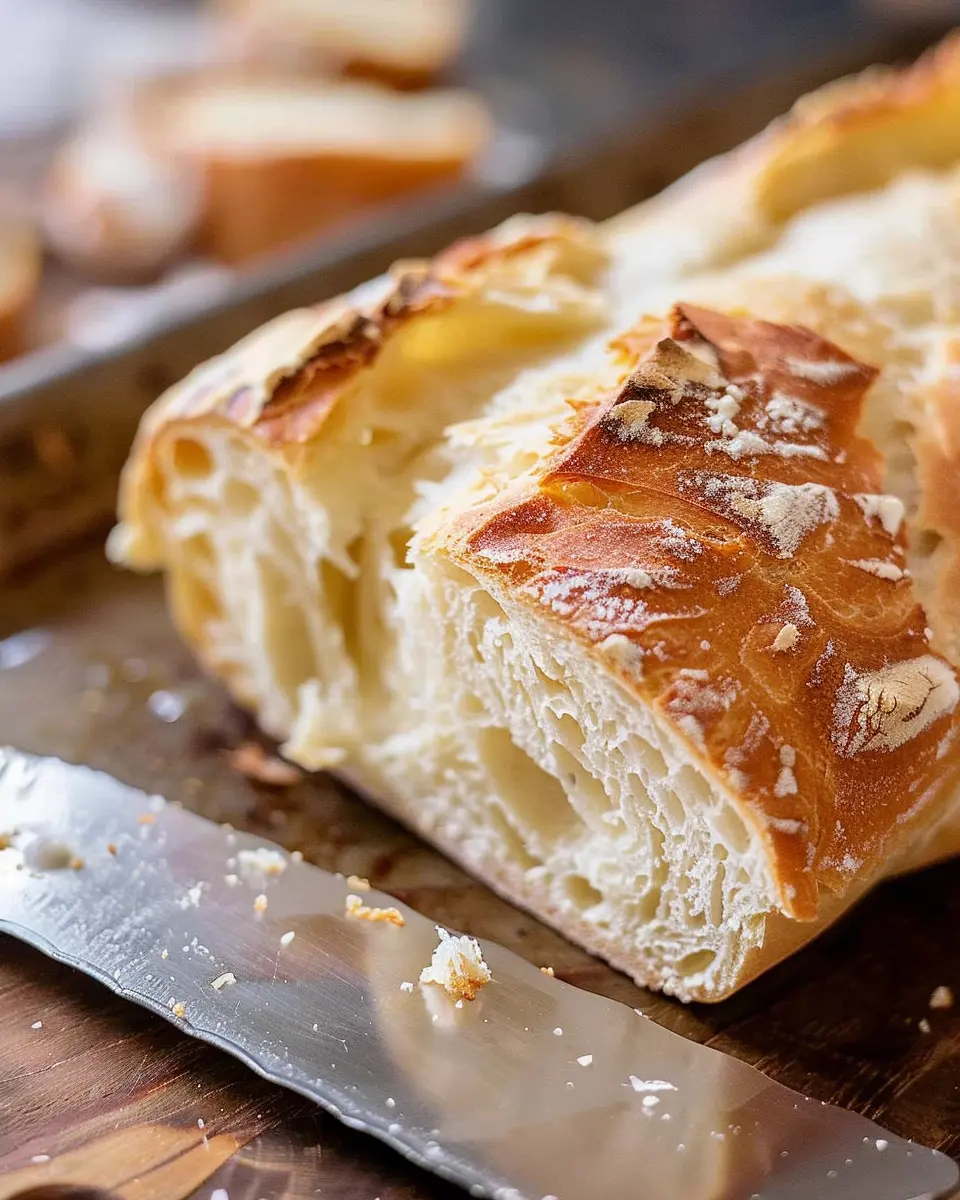
Ingredients for the World’s Easiest Yeast Bread Recipe
When approaching the world’s easiest yeast bread recipe, simplicity is your best friend. You won’t need a long list of ingredients or complicated measurements. Here’s what to grab:
Essential ingredients you’ll need
- All-Purpose Flour: About 3 cups is all it takes to create that fluffy texture.
- Active Dry Yeast: Just one packet (around 2 ¼ teaspoons) will give your bread a lovely rise.
- Warm Water: Around 1 ¼ cups, ideally around 110°F, to activate your yeast.
- Salt: About 1 teaspoon, to enhance the flavor.
- Sugar: Just 1 tablespoon to help feed the yeast and add a hint of sweetness.
Tips for choosing the right flour and yeast
When selecting your flour, opt for all-purpose flour for its versatility. Brands like King Arthur Flour are trusted by bakers for their quality. As for yeast, make sure it’s fresh—check the expiration date on the package. Fresh yeast ensures a better rise and texture. For a deeper dive into yeast types, check out Serious Eats’ guide to yeast for expert tips!
Now that you know your essentials, you’re well on your way to baking some delicious bread!
Preparing the World’s Easiest Yeast Bread
Creating homemade bread can feel like a daunting task, but fear not! This guide will walk you through the world’s easiest yeast bread recipe, making it nearly foolproof. With some basic ingredients and a little patience, you’ll be enjoying warm, homemade bread in no time. Let’s dive into the essential steps that will have you savoring your creation!
Mixing the dough like a pro
Begin your journey by gathering your ingredients: all-purpose flour, instant yeast, salt, and water. In a mixing bowl, combine:
- 3 cups of all-purpose flour
- 1 packet (about 2 ¼ teaspoons) of instant yeast
- 1 ½ teaspoons of salt
- 1 ½ cups of warm water (not too hot, just warm to the touch)
Using a wooden spoon or your hands, mix until a shaggy dough forms. This doesn’t have to look perfect—just cohesive. The beauty of this world’s easiest yeast bread recipe is in its simplicity, so embrace any lumps! No fancy mixers or kneading are necessary. Just combine, cover with a towel, and let it be.
Allowing the dough to rise
The next step is crucial for developing that delicious bread texture. Cover the mixing bowl with a damp cloth or plastic wrap and let it rise at room temperature for at least 2 hours or until it doubles in size. If you want a deeper flavor, consider letting it rise longer (3 to 12 hours) in a cool spot.
A little tip: If you’re short on time, allowing the dough to rise in a warm place (like an oven with only the light on) can speed things up. During this time, the yeast is working its magic, producing air bubbles that will make your bread light and airy.
The optional step for flavor development
For those who want to elevate their bread’s taste, consider creating a “preferment” or using a method called the autolyse. This optional step allows the flour to hydrate and proteins to start developing, enhancing the overall flavor and structure of your bread.
Simply mix your flour and water and let it rest for 20–30 minutes before incorporating the yeast and salt. Simple, right? This little extra step can vastly improve the flavor profile of your bread.
Preheating the oven and dutch oven
While you’re allowing the dough to rise, it’s the perfect time to preheat your oven. Place a Dutch oven (with its lid) inside the oven while it heats to 450°F (230°C). Preheating your Dutch oven will create a steamy environment, crucial for a crusty exterior.
This step may sound technical, but think of it as souping up your bread’s performance. Just like athletes warm up, your oven and Dutch oven need to be ready for the ultimate baking performance.
Shaping and transferring the dough
Once your dough has risen beautifully, it’s time to shape it. Dust a clean surface with flour, then gently scrape the dough from the bowl. Avoid deflating it too much, as those bubbles are what make your bread airy.
- Lightly flour your hands and shape the dough into a round or oval loaf.
- Sprinkle a bit of flour on the bottom of the Dutch oven or line it with parchment paper for easier removal.
- Carefully transfer your shaped loaf into the hot Dutch oven. Cover it with the lid and let it rest for about 30 minutes.
Baking to golden perfection
At last, it’s time to bake! Place your covered Dutch oven into the preheated oven and set a timer for 30 minutes. After that, remove the lid and bake for an additional 15 to 20 minutes until your bread is a gorgeous golden brown.
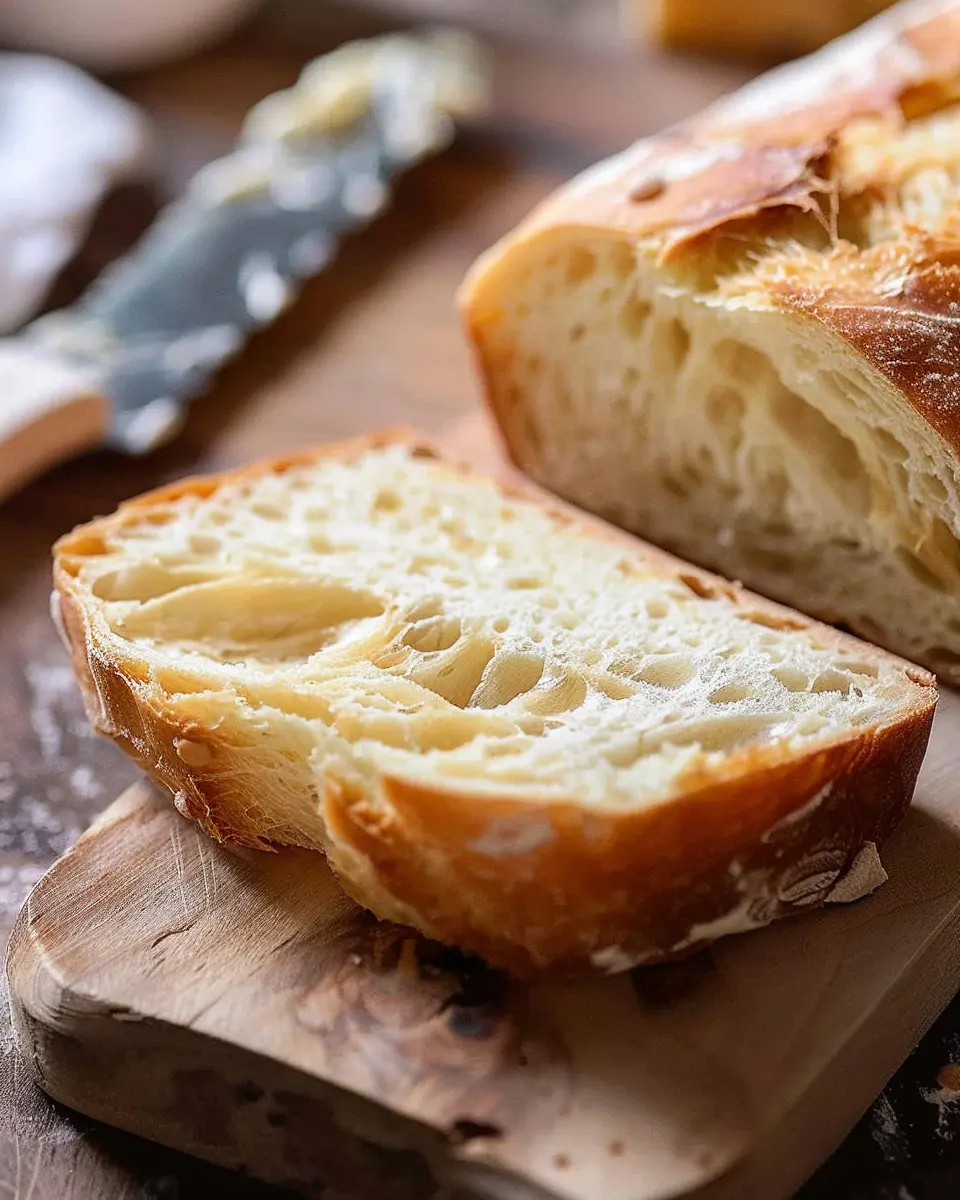
The moment you pull that loaf out and catch a whiff of the heavenly aroma, you’ll know you’ve nailed it. Let it cool slightly before slicing. And there you have it, the world’s easiest yeast bread recipe, ready to be devoured with turkey bacon, chicken ham, or simply slathered with butter.
Now, isn’t that easier than you thought? Enjoy the satisfaction of your homemade bread, and remember, practice makes perfect! Happy baking!
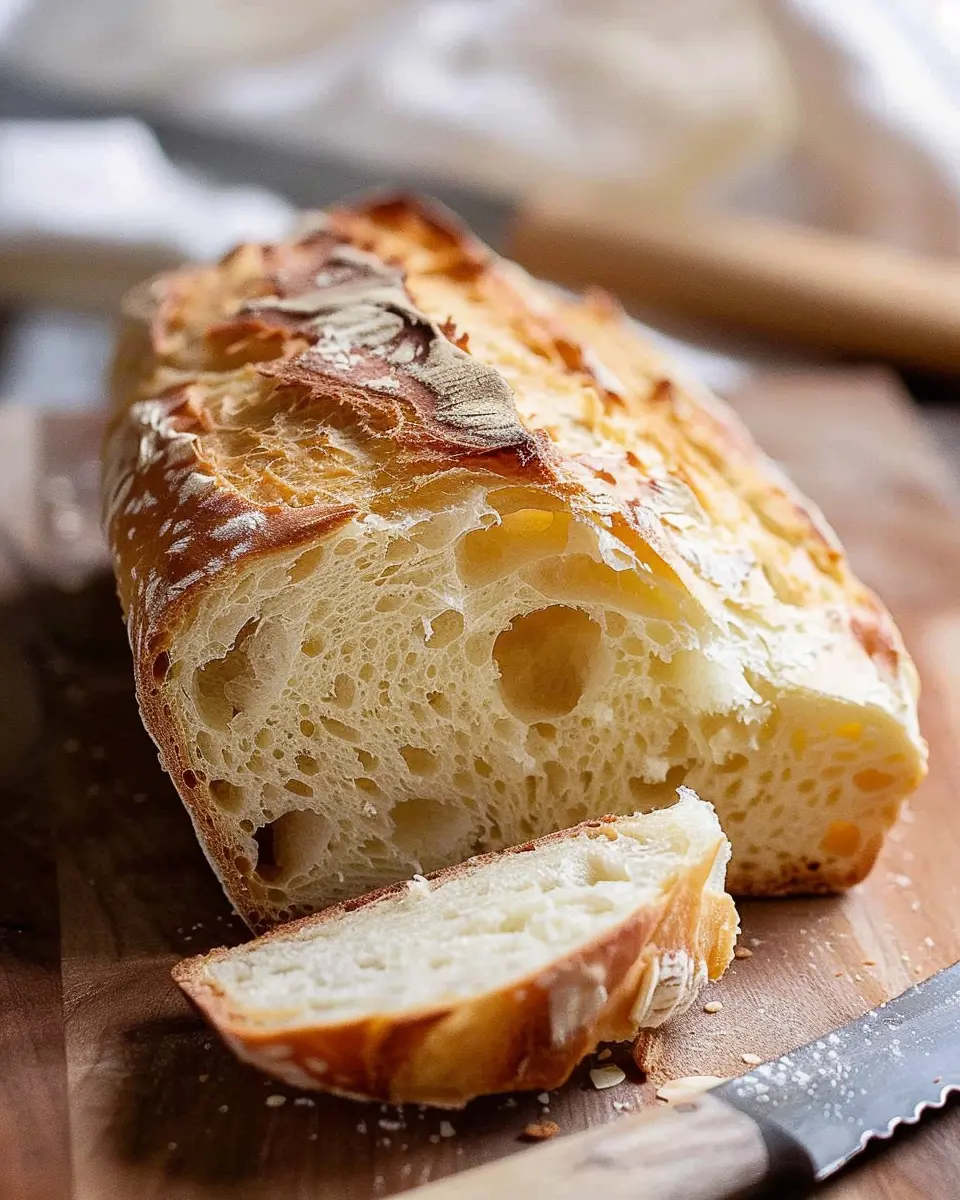
Variations of the World’s Easiest Yeast Bread Recipe
When it comes to the world’s easiest yeast bread recipe, there’s so much room for creativity! Let’s explore a couple of delicious variations that can elevate your bread-making experience and impress your friends at your next gathering.
Herb and Cheese Version
Imagine the aroma of freshly baked bread infused with herbs and gooey cheese. It’s a game charger! For this variation, simply add 1 tablespoon of your favorite dried herbs—like rosemary or thyme—into the dough. Before baking, sprinkle in some shredded cheese such as mozzarella or cheddar.
- Tip: Pair your herb and cheese bread with a flavorful olive oil dip. Check out this simple dipping oil recipe to elevate your tasting experience!
Whole Grain Twist
If you’re looking to make a healthier version of the world’s easiest yeast bread recipe, swapping out some all-purpose flour for whole grain flour is an excellent choice. Try using half whole grain flour and half all-purpose flour to give your bread that nutty flavor and additional fiber.
- Tip: You can also throw in some seeds like flaxseed or sunflower seeds for added crunch and nutritional benefits. These ingredients not only enhance the texture but also boost the bread’s health quotient!
These variations allow you to get creative while keeping the essential ease of the original recipe. Next time you bake, why not try one of these delightful twists? Bread making can be as fun as it is rewarding—who doesn’t love to enjoy the fruits of their labor?
Cooking tips and notes for the World’s Easiest Yeast Bread
Troubleshooting common dough issues
When making the world’s easiest yeast bread recipe, it’s common to encounter a few hiccups with your dough. Here are some quick fixes:
- Dough Too Sticky: If your dough feels like glue, try adding a little more flour, one tablespoon at a time. Be cautious not to overdo it as you want a soft, pliable texture.
- Dough Not Rising: Ensure your yeast is fresh and that your warm water (105°F to 110°F) is ideal for activating the yeast. If all else fails, a warm spot in your kitchen can work wonders—try placing it near an oven or sunny window.
Tips for storing your homemade bread
Once your world’s easiest yeast bread has cooled, proper storage is key to maintaining freshness:
- Room Temperature: Wrap your bread in a clean kitchen towel and store it in a bread box for up to three days.
- Freezing for Later: You can freeze slices or the entire loaf—just wrap it tightly in plastic wrap followed by foil. It can last up to three months!
Experiment, enjoy, and don’t hesitate to share your baking adventures! For more techniques on bread-making, check out sources like the King Arthur Baking Company or The Kitchn.
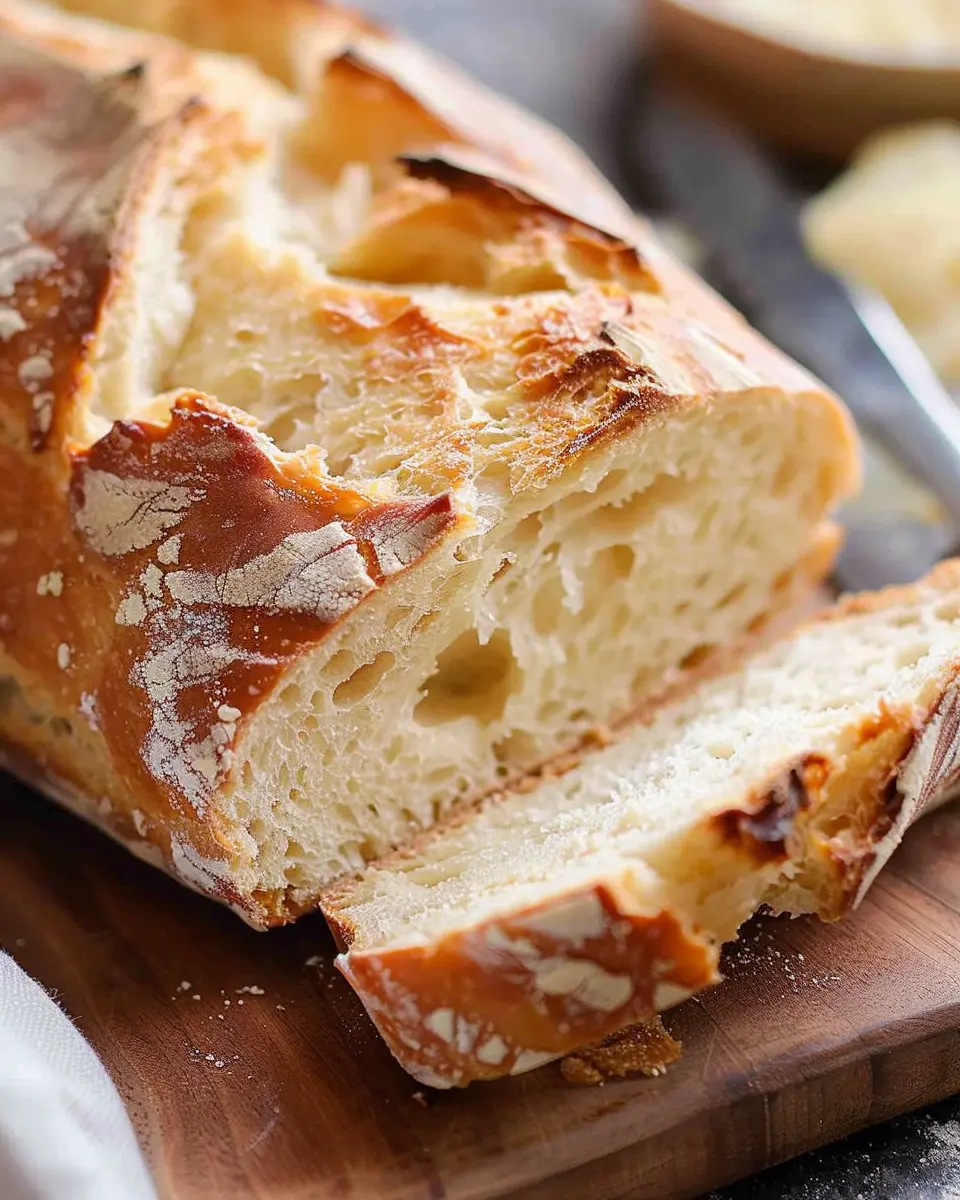
Serving Suggestions for the World’s Easiest Yeast Bread
Perfect Pairings with Spreads and Toppings
The world’s easiest yeast bread recipe opens a world of delicious possibilities for spreads and toppings. Whether warm or toasted, this bread is a blank canvas that pairs wonderfully with:
- Creamy Butter: The classic choice! Try flavored butters like garlic or herb for an extra kick.
- Avocado Smash: Spread ripe avocado on a slice, sprinkle with salt, and top with Turkey Bacon for a hearty brunch.
- Homemade Hummus: This healthy option makes for a wonderful dip. Pair with assorted veggies for a delightful snack.
- Nut Butters: Almond or peanut butter adds protein, while a drizzle of honey can sweeten your morning.
Creative Uses for Leftover Bread
Don’t let any bread go to waste! Here are a couple of fabulous ways to utilize leftovers:
- Croutons: Make your own croutons by cubing the bread, tossing it with olive oil and herbs, and baking until golden. Perfect for salads!
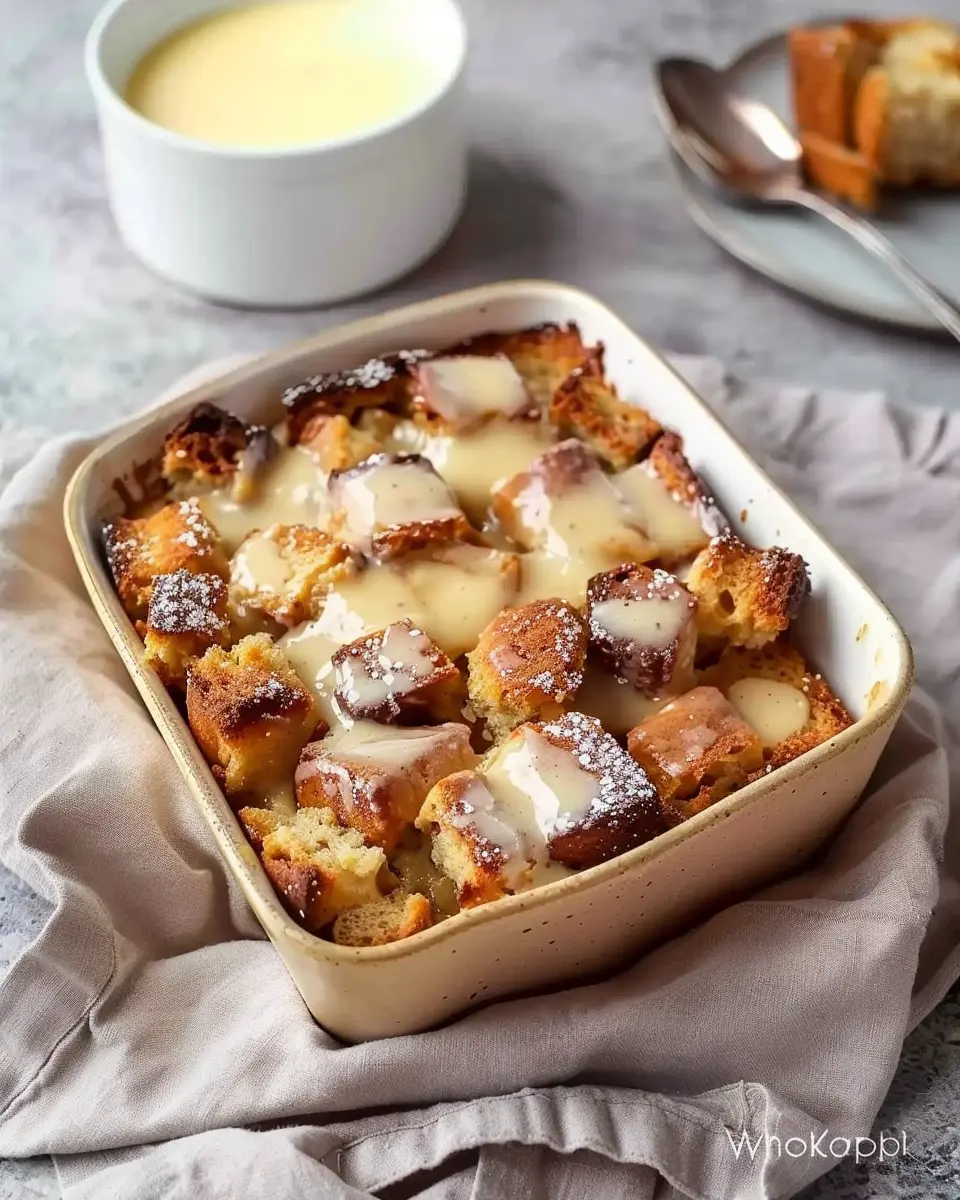
- Bread Pudding: Use stale bread to whip up a sweet treat. Mix with eggs, milk, and sugar for a comforting dessert.
By experimenting with these ideas, you can elevate your bread experience while reducing waste. Get inspired and let your kitchen creativity shine! For more bread ideas, check out King Arthur Baking or Serious Eats.
Time Breakdown for the World’s Easiest Yeast Bread Recipe
Understanding the timing for the world’s easiest yeast bread recipe is crucial for achieving that perfect loaf! Here’s a simple breakdown to keep you on track.
Mixing Time
Mixing your ingredients typically takes about 10-15 minutes. Combine flour, water, salt, and yeast until you have a smooth dough. No special equipment necessary—your hands or a wooden spoon will do just fine!
Rising Time
Once mixed, let your dough rise for about 1-2 hours in a warm spot. This is where the magic happens! The yeast activates, helping the dough to double in size. Cover it with a damp cloth to keep it moist.
Baking Time
Baking your bread will take around 25-30 minutes. Preheat your oven to 375°F (190°C) and enjoy the delicious aroma as it bakes to a golden brown.
Total Time
In total, you’re looking at approximately 2-3 hours from start to finish. Don’t worry, most of this time is just waiting for the dough to rise! A few moments of patience lead to a delightful homemade loaf.
For more tips on the science behind rising dough, check out resources from Serious Eats or King Arthur Baking!
Nutritional Facts for the World’s Easiest Yeast Bread Recipe
When you’re diving into baking with the world’s easiest yeast bread recipe, it’s good to know what you’re putting on the table. This straightforward recipe not only delivers delicious results but is also fairly balanced nutritionally.
Calories
Each slice of this delightful bread packs approximately 120 calories. This makes it an ideal base for everything from sandwiches to toast.
Carbohydrates
You’ll find about 22 grams of carbohydrates in each serving. These carbs provide the energy you need, whether you’re busy at work or relaxing at home.
Dietary Fiber
It’s important to get your fiber in, right? Each slice contains around 1 gram of dietary fiber, which is a start! Consider pairing your bread with high-fiber toppings like avocado or Turkey Bacon to boost your intake.
If you’re curious about more nutritional information for similar recipes, the USDA FoodData Central is an excellent resource to explore. Happy baking!
FAQs about the World’s Easiest Yeast Bread Recipe
How do I know when the dough has risen enough?
Knowing when your dough has risen is key to achieving that perfect loaf in the world’s easiest yeast bread recipe. Look for the dough to double in size—this usually takes about 1 to 2 hours in a warm environment. A simple test? Gently poke the dough. If the indentation remains, it’s ready to go! For a visual guide, check out The Kitchn’s tips on bread dough.
Can I use active dry yeast instead of instant yeast?
Absolutely! You can substitute active dry yeast for instant yeast in the world’s easiest yeast bread recipe. Just remember to activate it first. Mix the active dry yeast with warm water (about 110°F) and a bit of sugar, letting it sit for about 5-10 minutes until bubbly. This process wakes the yeast up, ensuring your bread rises beautifully.
What if my dough is too sticky or too dry?
Bread-making is all about balance, and adjustments can be made easily!
- Too sticky? Dust with a bit more flour, a tablespoon at a time, until the dough is manageable.
- Too dry? Add a tablespoon of warm water to bring it back to life.
If you find yourself struggling with these common dough dilemmas, King Arthur Baking Company offers fantastic guidance on troubleshooting bread dough.
Baking bread should be fun and forgiving, so don’t be afraid to get your hands a little messy!
Conclusion on the World’s Easiest Yeast Bread Recipe
Making your own bread at home is a rewarding experience that comes with several benefits. Not only is it cost-effective, but there’s also something incredibly satisfying about the aroma of fresh-baked bread wafting through your home. The world’s easiest yeast bread recipe simplifies the bread-making process, making it accessible even for beginners.
Imagine enjoying warm, soft bread made with just a handful of pantry staples—there’s nothing quite like it! If you want to dive deeper into the joys of homemade bread, check out the resources from King Arthur Baking or The Bread Lab. So why not give it a try? Your taste buds will thank you!
PrintWorld’s Easiest Yeast Bread Recipe for Homemade Happiness

This recipe for the world’s easiest yeast bread promises homemade happiness with minimal effort.
- Prep Time: 15 minutes
- Cook Time: 45 minutes
- Total Time: 13 hours
- Yield: 1 loaf
- Category: Bread
- Method: Baking
- Cuisine: American
- Diet: Vegetarian
Ingredients
- 3 cups all-purpose flour
- 1 packet instant yeast
- 1 tablespoon salt
- 1 tablespoon sugar
- 1 ½ cups warm water
Instructions
- In a large bowl, mix flour, yeast, salt, and sugar.
- Add warm water and mix until a shaggy dough forms.
- Cover the bowl with plastic wrap and let it rise at room temperature for 12 to 18 hours.
- Preheat the oven to 450°F and place a Dutch oven inside to heat.
- Once heated, carefully remove the Dutch oven and transfer the dough into it.
- Cover and bake for 30 minutes, then remove the lid and bake for an additional 15 minutes until golden brown.
- Let cool before slicing.
Notes
- For added flavor, consider incorporating herbs or cheese into the dough.
- Store the bread in a paper bag to maintain its crust.
Nutrition
- Serving Size: 1 slice
- Calories: 120
- Sugar: 1g
- Sodium: 200mg
- Fat: 0.5g
- Saturated Fat: 0g
- Unsaturated Fat: 0.5g
- Trans Fat: 0g
- Carbohydrates: 25g
- Fiber: 1g
- Protein: 4g
- Cholesterol: 0mg