
Introduction to Jambalaya Recipe
What is Jambalaya and Why is it Loved?
Ah, Jambalaya, the heart and soul of Louisiana cuisine! This iconic dish is a delightful medley of rice, meats, vegetables, and spices, creating a symphony of flavors that dance on your palate. The origins of jambalaya are as rich as its taste, stemming from a blend of Spanish, African, and French influences that shape New Orleans culinary traditions. Isn't it fascinating how a single dish can tell such a rich history?
So, why is this jambalaya recipe cherished by so many? It all boils down to a few compelling reasons:
-
Versatility: Jambalaya can be customized to suit various tastes and dietary needs. Whether you're a meat lover or a vegetarian, there's a version for everyone! Common ingredients include turkey bacon, chicken ham, and beef, allowing you to mix and match until your heart's content.
-
Flavor Explosion: The combination of aromatics like onions, bell peppers, and celery (often referred to as the "Holy Trinity" in Cajun cooking) melds beautifully with the spices you choose. Typically seasoned with paprika and cayenne, you can create a dish that caters to your personal spice tolerance.
-
One-Pot Wonder: We live busy lives, and the allure of a hearty meal that requires minimal cleanup is hard to resist. Most jambalaya recipes are cooked in a single pot, making it a quick and easy weeknight dinner option.
-
Comfort Food: There’s something undeniably comforting about digging into a bowl of jambalaya, especially during chilly evenings or at gatherings with friends. It brings people together, appealing not just to the taste buds but to the heart as well.
Cooking jambalaya can feel like an adventure. As you explore various recipes and techniques, you’ll never run out of ways to enjoy this dish! Curious about diving into your own jambalaya creation? Check out this authoritative guide for more insights into authentic ingredients and techniques.
In the next sections of the article, I’ll share my favorite jambalaya recipe that encapsulates all these wonderful elements. Get ready to impress your friends and family with a meal that’s packed with flavor and heart!
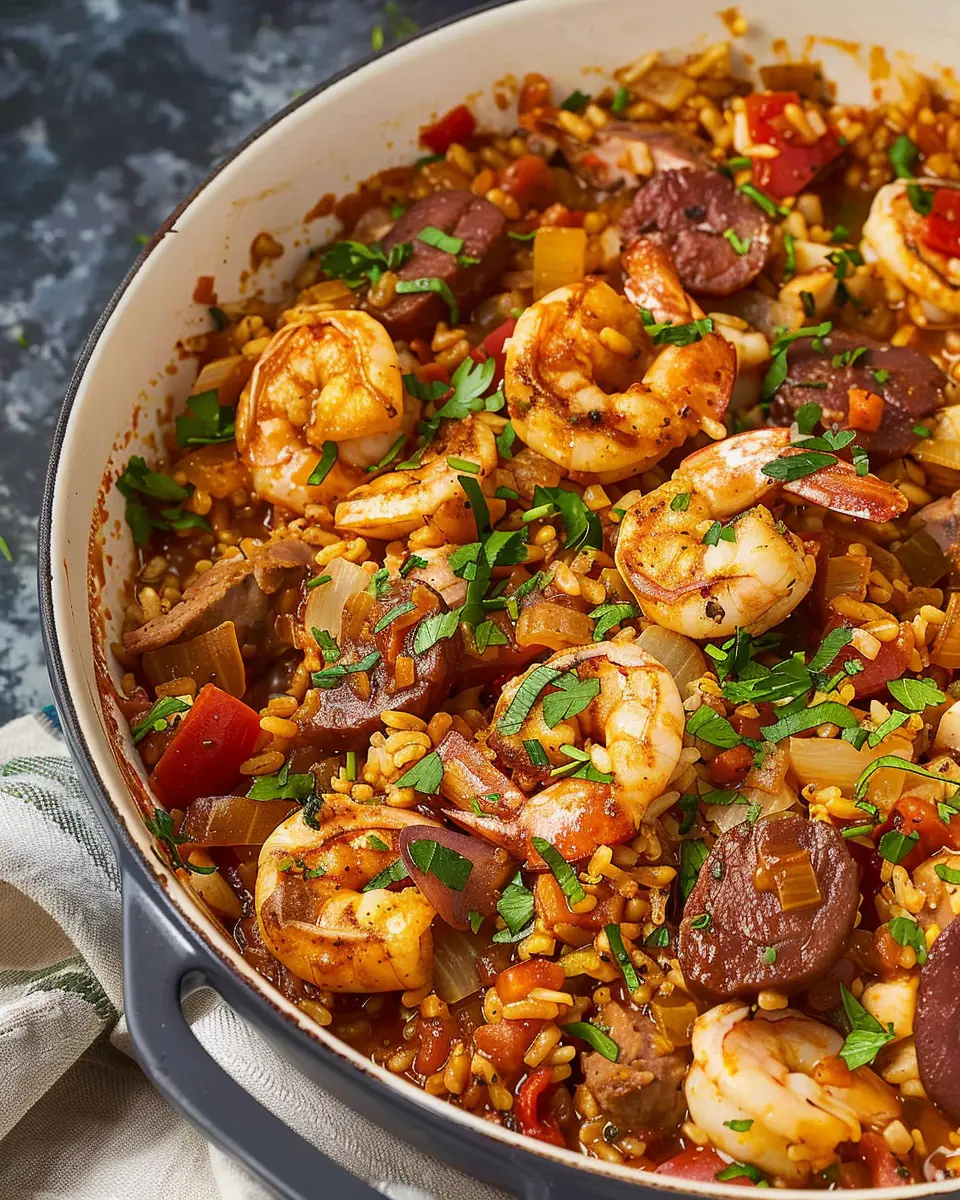
Ingredients for Jambalaya Recipe
When it comes to crafting the perfect jambalaya recipe, the ingredients are key to achieving that rich and hearty flavor profile that makes this dish so beloved. Here's what you’ll need to create a delightful jambalaya that will impress your friends and family.
Fresh Proteins and Meats
- Turkey Bacon: This will add a smoky flavor without the heaviness.
- Chicken Ham: Choose high-quality chicken ham for a tender and flavorful bite.
- Beef: Ground or diced beef adds a robust texture to your jambalaya.
Aromatic Vegetables
- Onions: A must-have for that flavorful base.
- Bell Peppers: Brighten up the dish with a mix of red and green peppers.
- Garlic: Only fresh garlic will do for that aromatic kick.
Flavorful Essentials
- Rice: Long-grain white or brown rice works perfectly.
- Chicken Broth: For a savory foundation; opt for low-sodium if you prefer.
- Spices: Bay leaves, cayenne pepper, and thyme bring the heat and depth.
Garnishes and Extras
- Green Onions: These add a fresh crunch when sprinkled on top.
- Parsley: A bit of garnish goes a long way!
With these ingredients in hand, you're well on your way to making a jambalaya recipe that's bursting with flavor. If you’re unsure about where to find some of these essentials, check out local farmers’ markets or reputable grocery delivery services like Instacart or Amazon Fresh. Happy cooking!
Step-by-Step Preparation of Jambalaya
Cooking jambalaya can feel like a fun adventure, especially when you see it all come together in a pot. With its roots in Creole and Cajun cuisine, this dish embodies rich flavors and textures that are perfect for gatherings or cozy nights in. Ready to whip up your own jambalaya recipe? Let's dive into the preparation!
Heat and Sauté the Base Ingredients
Starting off, you’ll want to build a flavorful base for your jambalaya. Grab a large pot or Dutch oven and heat about two tablespoons of olive oil over medium heat. Once the oil glimmers, it’s time to add your base ingredients:
- 1 cup of chopped onion
- 1 cup of diced bell pepper (red or green, or a mix)
- 1 cup of chopped celery
- 2 cloves of minced garlic
Sauté these vegetables for about 5-7 minutes or until they soften and turn fragrant. This is a great time to reflect on how those aromatic scents will soon fill your kitchen! For extra tips on picking the freshest vegetables for your dish, check out this guide.
Add Protein and Cook Through
Next up, it’s time to level up your jambalaya recipe with protein. For a delightful combination, add:
- 4 ounces of Turkey Bacon, diced
- 8 ounces of Chicken Ham, cubed
- 1 pound of diced beef (or your preferred meat)
Cook the mixture for about 8-10 minutes, stirring occasionally until the meat is browned and cooked through. The hearty flavors from the Turkey Bacon and Chicken Ham blend perfectly with the sautéed vegetables, infusing your jambalaya with that authentic taste. Have you ever tried the mix of Chicken Ham and Turkey Bacon before? If not, you’re in for a treat!
Incorporate the Tomatoes and Seasonings
With your base and protein sizzling away, it’s time to add the vibrant flavors that make jambalaya so special. Toss in:
- 1 can (14.5 ounces) of diced tomatoes (with juices)
- 2 cups of low-sodium chicken broth
- 2 teaspoons of paprika
- 1 teaspoon of dried thyme
- 1 teaspoon of cayenne pepper (adjust based on your spice preference)
- Salt and pepper to taste
Give everything a good stir, ensuring that the spices and broth coat your ingredients evenly. Simmer this mixture for about 10 minutes, allowing the flavors to marry together beautifully.
Stir in Rice and Simmer to Perfection
Now, let’s make it hearty with some rice. Add:
- 1.5 cups of long-grain rice
Stir it gently into the pot, then cover everything with a lid. Lower the heat to a gentle simmer and let it cook for about 20 minutes. Here’s a helpful tip: avoid lifting the lid too often. Keeping it covered helps to steam the rice perfectly while locking in those wonderful flavors.
When it’s done, fluff the rice with a fork and don’t be surprised if you can't resist taking a quick taste!
Prepare and Add the Shrimp
Finally, let’s bring our jambalaya to life with some shrimp. After your rice has cooked through, it’s time to add:
- 1 pound of medium shrimp, peeled and deveined
Gently fold the shrimp into the jambalaya and cover again for about 5 minutes, or until the shrimp turn pink and opaque. This final touch not only adds a delightful seafood flavor but also an impressive flourish to your dish.
Before serving, garnish with a sprinkle of chopped parsley for a pop of color. And there you have it—your homemade jambalaya recipe is ready to impress your friends! Serve it hot and enjoy the compliments you’ll surely receive.
Remember, cooking should be fun, so feel free to adjust the spices and ingredients according to your taste. Bon appétit!
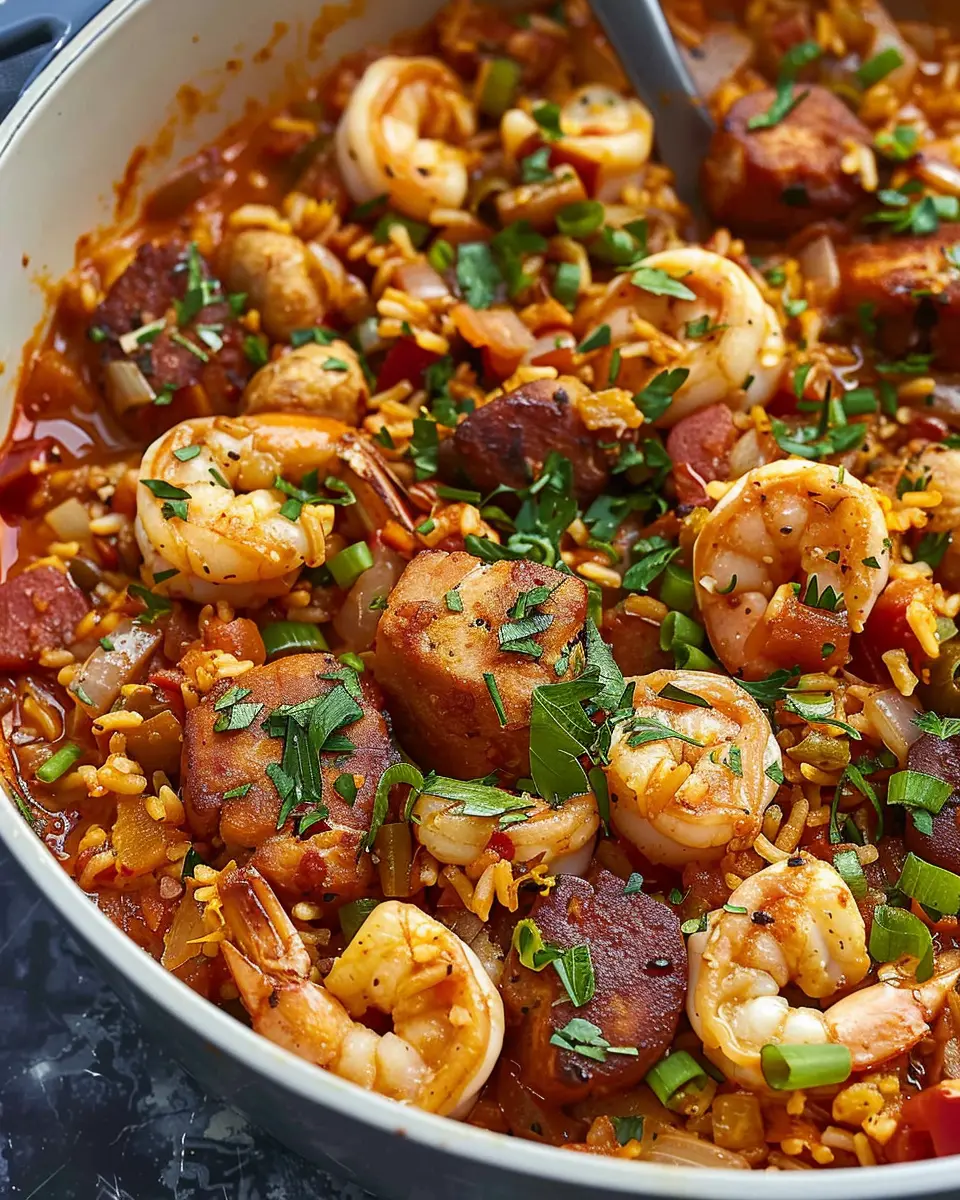
Variations on Jambalaya
Jambalaya is a versatile dish that can easily adapt to different dietary preferences and tastes. Whether you're looking for a meat-free option or a seafood delight, there’s a variation waiting for you to explore.
Vegetarian Jambalaya
Don't fret if you're a vegetarian; you can still enjoy a delightful jambalaya recipe! Start by substituting proteins with hearty vegetables like zucchini, bell peppers, and mushrooms. Here's a simple way to achieve deliciousness:
- Base Ingredients: Use vegetable broth instead of chicken broth for depth.
- Proteins: Add chickpeas or lentils for protein, giving your dish a satisfying texture.
- Seasonings: Opt for a blend of spices like smoked paprika and cayenne pepper to mimic that classic jambalaya warmth.
This version not only caters to vegetarians but also brings in vibrant flavors. You might find inspiration from sites like Vegetarian Times for additional seasoning ideas!
Seafood Jambalaya
If you're a fan of the ocean, a shrimp and fish-laden jambalaya will captivate your taste buds. Start by sautéing shrimp, scallops, or even fish fillets along with your typical aromatics:
- Seafood Selection: Fresh or frozen shrimp work well here; just ensure they’re defrosted if using frozen.
- Broth: Fish or seafood stock can elevate the umami of this dish remarkably.
- Accompaniments: Finish with herbs like parsley and green onions to add an appealing freshness.
This seafood variation is perfect for dinner parties or a casual meal at home. For more tips on selecting the freshest seafood, check out Seafood Watch.
No matter which variation you choose, jambalaya not only delivers comfort but also encourages creativity. Happy cooking!
Cooking Tips and Notes for Jambalaya
Creating a delicious jambalaya recipe is all about layering flavors and techniques. Here are some tips to elevate your dish:
Choose Quality Ingredients
- Protein: You can use chicken, shrimp, or turkey bacon for a smoky flavor. Opt for fresh ingredients whenever possible for better taste.
- Rice: Long-grain rice is traditional, but feel free to experiment with brown rice for a healthier twist. Just remember to adjust cooking times!
Spice It Up
The seasoning blends make all the difference. A good Cajun seasoning can add depth to your jambalaya recipe. Don't be shy with the spices! If you're unsure where to start, try a combination of paprika, cayenne, and thyme.
Cooking Technique Matters
Consider using a Dutch oven to achieve that perfect texture—crusty rice at the bottom is a hallmark of authentic jambalaya. It gives you that delightful ‘socarrat’ that adds a complex flavor profile to the dish.
Let It Rest
After cooking, allow your jambalaya to rest for about 10 minutes. This helps the flavors meld beautifully. Trust me, your patience will pay off! For more tips on perfecting your dishes, check out reputable resources like Cooking Light or Serious Eats.
Preparing a hearty jambalaya is not only about following a recipe; it’s an experience that connects you to culture and creativity. Enjoy your cooking adventure!
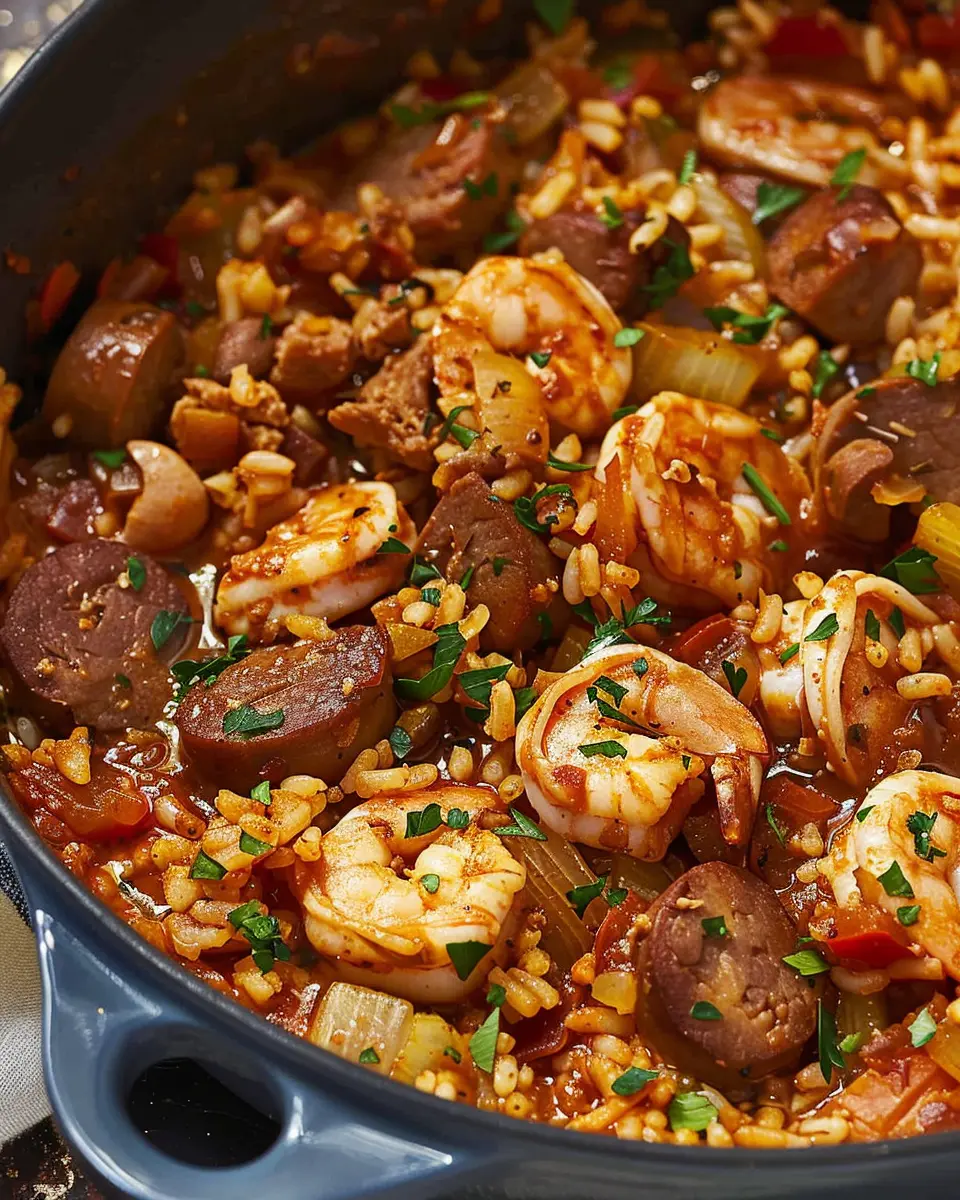
Serving Suggestions for Jambalaya
When it comes to serving your delicious jambalaya recipe, a few thoughtful touches can elevate the experience. Try these ideas to make your dish shine:
-
Pair with Fresh Bread: A rustic loaf or cornbread can be a delightful addition. It’s perfect for soaking up every last bit of flavor.
-
Add a Side Salad: A crisp green salad will balance the richness of the jambalaya. Consider a simple vinaigrette or a citrus-based dressing to brighten up the meal.
-
Top with Fresh Herbs: A sprinkle of freshly chopped parsley or green onions right before serving adds a pop of color and freshness that takes your dish to another level.
-
Offer Hot Sauce or Remoulade: Provide some optional spice with a side of hot sauce or a cool remoulade, allowing your guests to customize the heat to their liking.
These simple serving suggestions not only enhance your jambalaya recipe but also create a meal that everyone will rave about. For additional inspiration, check out Food Network for more ideas on sides and accompaniments!
Time Breakdown for Jambalaya
Preparation Time
Getting your ingredients prepped for this delightful jambalaya recipe doesn't take long at all—about 20 minutes should do it. Dice your vegetables, slice up that turkey bacon and chicken ham, and gather your spices. This initial setup makes the cooking process much smoother and more enjoyable. You can even involve friends for a bit of fun in the kitchen!
Cooking Time
Once you're all set, the cooking part takes about 40 minutes. You'll sauté, simmer, and stir until everything comes together in a harmony of flavors. The aroma wafting through your kitchen during this time will be irresistible!
Total Time
In total, you’re looking at roughly 1 hour for your entire jambalaya cooking experience. That's a small investment for such a rewarding, hearty dish. You'll have a fantastic meal ready to impress friends or family in no time! For helpful tips on ingredient substitutions and variations, check out resources like Food Network or Serious Eats to elevate your culinary skills even more.
Nutritional Facts of Jambalaya
When it comes to comfort food, jambalaya definitely ranks high on the list. But what are the numbers behind this flavorful dish? Let's break down some important nutritional facts to help you make an informed choice when enjoying your jambalaya recipe.
Calories
A hearty serving of jambalaya typically contains around 350-500 calories, depending on ingredients used and portion size. This makes it a filling option that can fit into a balanced diet without tipping the scales too much.
Protein
One of the standout features of jambalaya is its protein content. With ingredients like chicken ham, Turkey bacon, and plenty of vegetables, you can expect around 20-30 grams of protein per serving. This makes it a great choice for those looking to boost their daily intake.
Sodium
It’s worth noting that jambalaya can be high in sodium, often reaching up to 800-1000 mg per serving. However, you can always adjust your recipe by using low-sodium options or fresh ingredients. Keeping an eye on sodium levels is essential for maintaining heart health.
If you're curious about more detailed nutritional breakdowns, you can visit the USDA FoodData Central for comprehensive information on the ingredients used in your jambalaya recipe. Enjoy!
FAQs about Jambalaya Recipe
How can I make my jambalaya spicier?
If you love a little heat in your dishes, there are several ways to amp up the spice in your jambalaya recipe. Consider adding fresh sliced jalapeños or opting for a spicier smoked sausage. Another great option is to incorporate cayenne pepper or a few dashes of hot sauce. Adjust the amounts gradually, tasting as you go. And don't forget—fresh herbs like cilantro or parsley can balance the heat beautifully, adding freshness to each bite.
Can I use brown rice instead of white rice?
Absolutely! While the traditional jambalaya recipe typically calls for white rice, brown rice is a healthier alternative that adds a nutty flavor. However, keep in mind that brown rice takes longer to cook. You'll need to adjust the cooking time accordingly—generally, allow for about 45 minutes instead of the usual 20. Be sure to add extra liquid as well for optimal cooking. This handy guide on Cooking Brown Rice can offer some guidance.
How do I store and reheat leftover jambalaya?
Storing your leftover jambalaya recipe is a breeze! Simply let it cool down, then transfer it to an airtight container. Refrigerated, it will stay fresh for about 3-4 days. For optimal flavor, try reheating it on the stovetop with a splash of broth or water to keep it moist. If you’re feeling adventurous, consider transforming your leftover jambalaya into a savory stuffed pepper or even a savory breakfast omelet. Check out these creative leftover ideas for inspiration!
Conclusion on Jambalaya Recipe
In wrapping up our exploration of this delightful jambalaya recipe, it's essential to remember the versatility that makes it a favorite in kitchens everywhere. With the option to use Turkey Bacon, Chicken Ham, and hearty Beef, anyone can tailor the dish to their preferences. Not only is it a perfect choice for a cozy dinner, but it also works incredibly well for gatherings. By keeping your spices balanced and allowing the flavors to develop, you create a dish that is both comforting and exciting.
If you're interested in expanding your culinary skills, consider checking out additional Southern dishes or recipes for other rice-based meals. These explorations can elevate your cooking game and impress your friends at your next dinner party. Enjoy your cooking journey!
Leave a Reply